
Quick Summary & Table of Contents
2. Room Type & Price
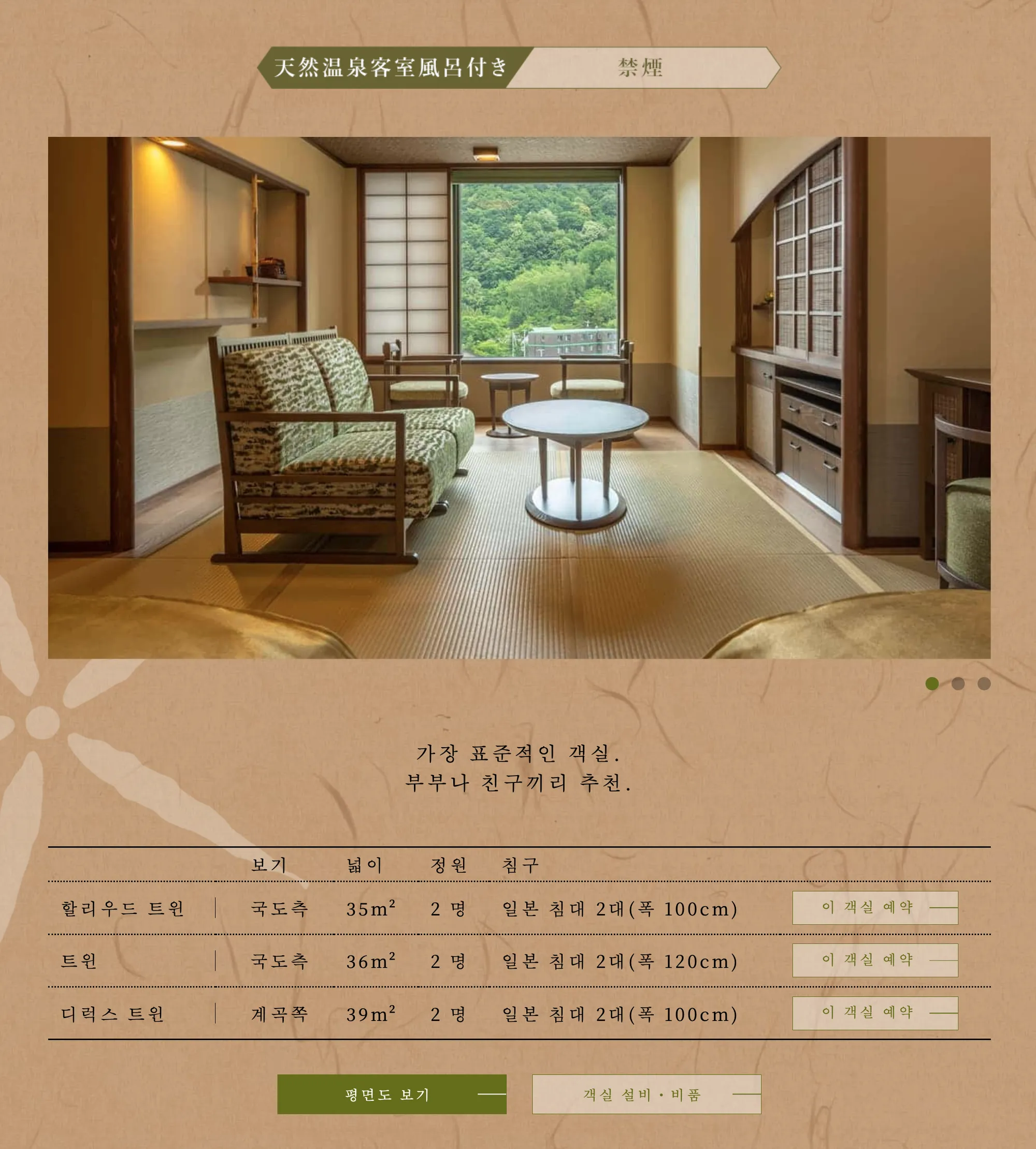

Jozankei Yuraku Soan 2-Person Rooms © dormy-hotels.com
Jozankei Yuraku Soan offers a variety of room types, making it a popular choice for couples and families. The most basic category is the Standard Room, which features two single beds in a twin setup and a wooden soaking tub with an outdoor view. Among the Standard Rooms, the Hollywood Twin and regular Twin rooms are studio-style layouts without a separate living area, facing the main road. The Deluxe Twin, on the other hand, offers an independent bedroom separated from the living room and features a quieter, more scenic mountain view. For the most affordable Hollywood Studio Twin, the standard half-board plan (dinner and breakfast included) on the official website ranges from 28,000 JPY to 40,000 JPY per person. The Deluxe Twin costs roughly 30,000 JPY to 42,000 JPY per person under the same plan. Since all Standard Rooms have a maximum occupancy of two, expect to pay around 520,000 KRW and 560,000 KRW respectively for a two-person stay. Discounted plans can lower the price by 2,000 to 3,000 JPY per person. I recommend booking a free-cancellation rate early on and keeping an eye on price fluctuations over time.
The next category up from the Standard Room is the Luxury Room, which includes the Luxury Twin Room. This room also accommodates two guests but features one single bed and one semi-double bed (similar to a US full-size bed). The main upgrades from the Standard Room include an extra 10 to 13 m² (approx. 107 to 140 sq ft) of space, dual vanities, and a larger closet. It also boasts a quiet mountain view. Prices for a standard half-board plan on the official website range from 37,000 JPY to 54,000 JPY per person.

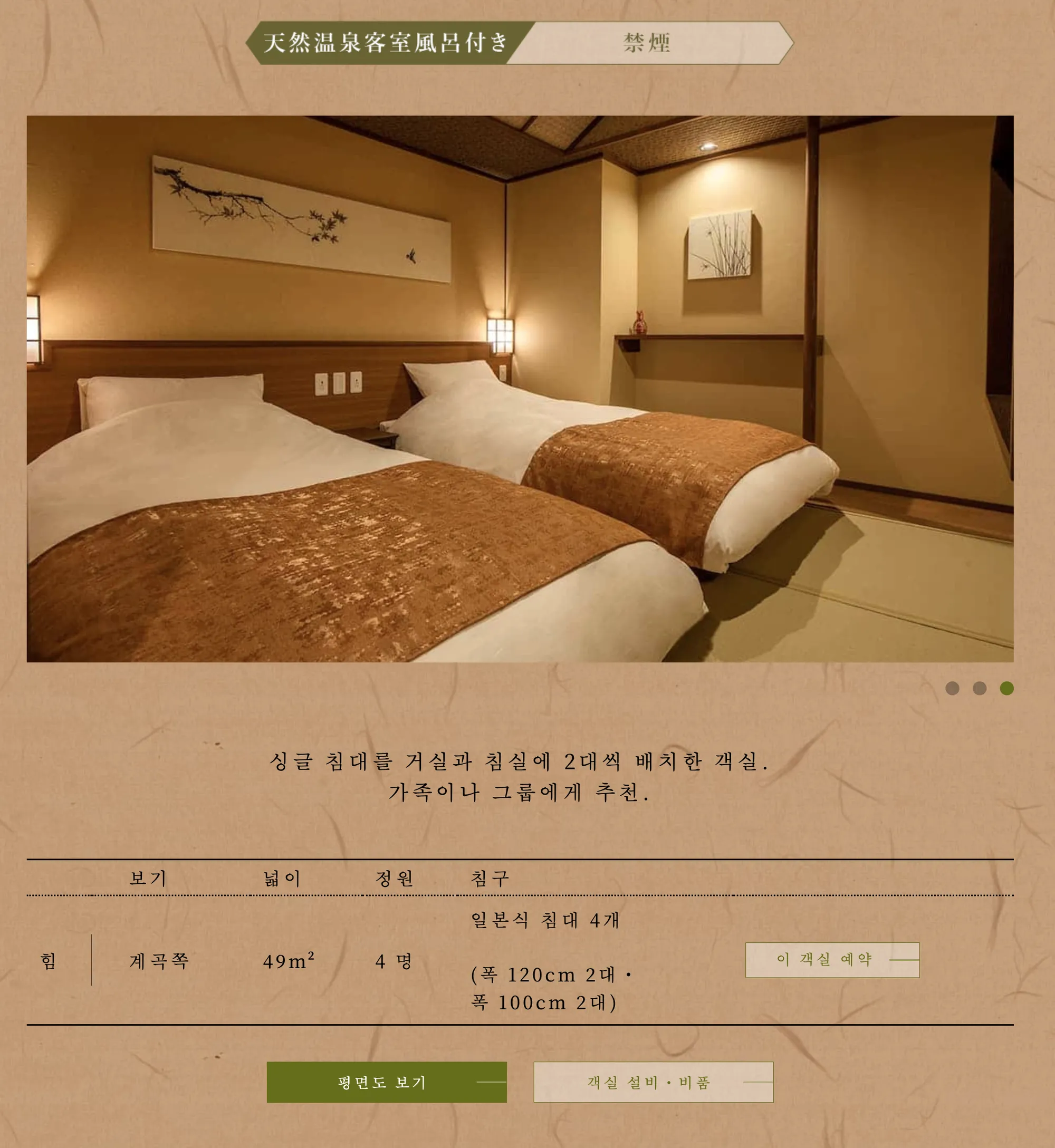
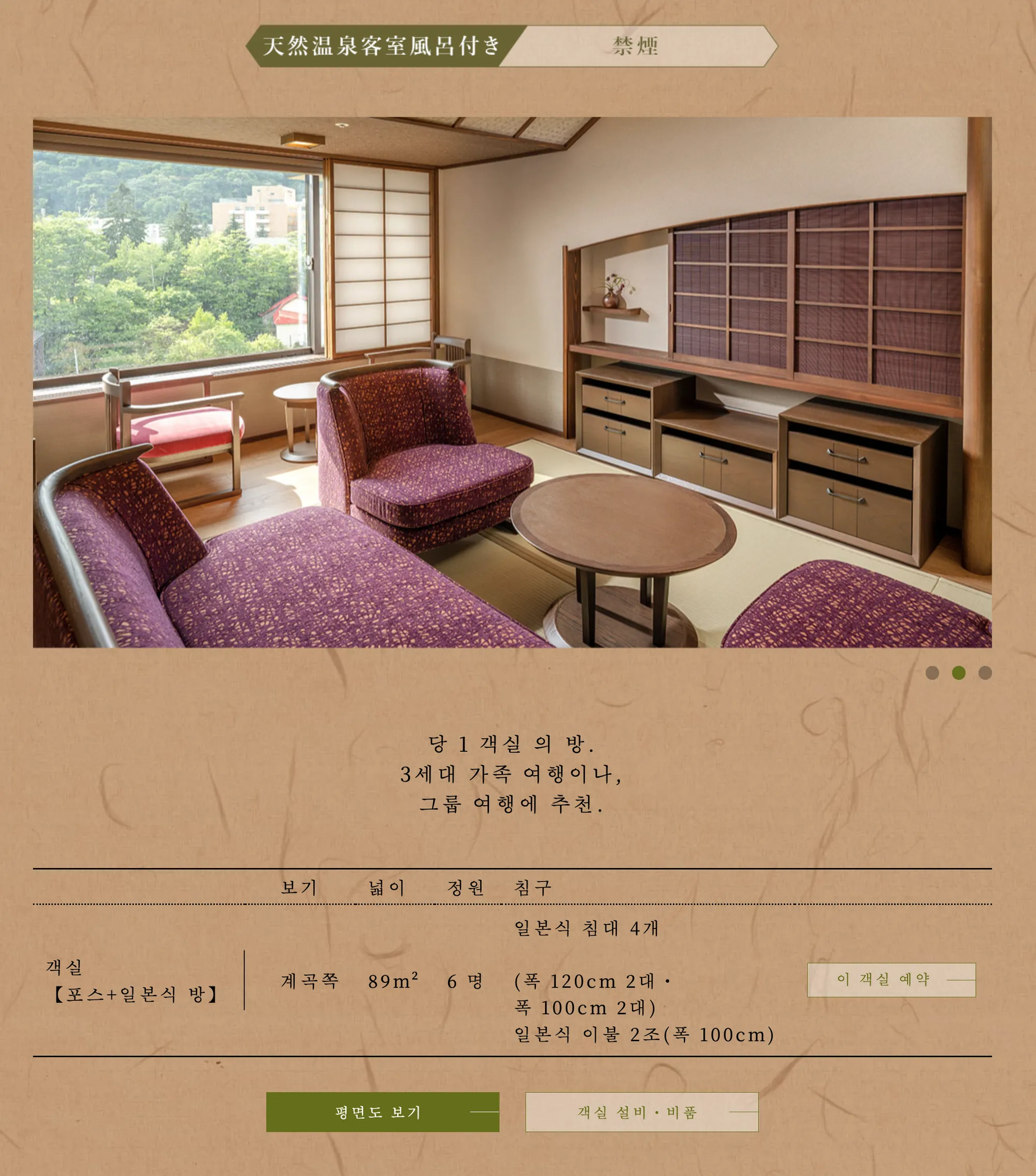
Jozankei Yuraku Soan 3-6 Person Rooms © dormy-hotels.com
Beyond the twin options, the property offers a Triple Room (two beds plus a daybed for three guests), a Quad Room (four beds for four guests), and a Special Room (four beds plus two futon sets, accommodating up to six). All of these rooms feature mountain views. The Special Room is essentially two adjoining rooms, meaning it comes with two of everything: toilets, private soaking tubs, and vanities. Looking at the lowest half-board rates on the official website, a Triple Room costs about 27,000 JPY per person (81,000 JPY total for three), a Quad Room is roughly 24,500 JPY per person (98,000 JPY total for four), and the Special Room is about 29,000 JPY per person (174,000 JPY total for six). Surprisingly, the per-person rate for these larger rooms can be cheaper than the twin rooms, making them a great value for groups of three or more.
For this trip, I booked a Deluxe Twin Room with a mountain view. I reserved it through the official Dormy Inn website using a 90-day early bird half-board plan. It cost 35,300 JPY per person, bringing the total to 70,600 JPY for two guests.
3. Membership Tier & Benefits

Dormy’s Membership Benefits (c) kyoritsumembers.com
Dormy’s Membership Benefits © kyoritsumembers.com
Jozankei Yuraku Soan is a ryokan operated by Dormy Hotels & Resorts, a well-known Japanese hospitality brand that manages everything from business hotels to hot spring resorts. They offer a free loyalty program called Dormy’s. While Dormy’s advertises tier-based perks like early check-in, free drinks, and complimentary lounge access, it is somewhat unclear if these apply here. Plus, since ryokans inherently include many complimentary services, these benefits don’t add much value at Yuraku Soan. However, Dormy’s members can still earn points and access discounted rates. In fact, booking directly through their official website often yields highly competitive prices compared to third-party platforms, so I highly recommend comparing rates on their site before booking.
4. Location
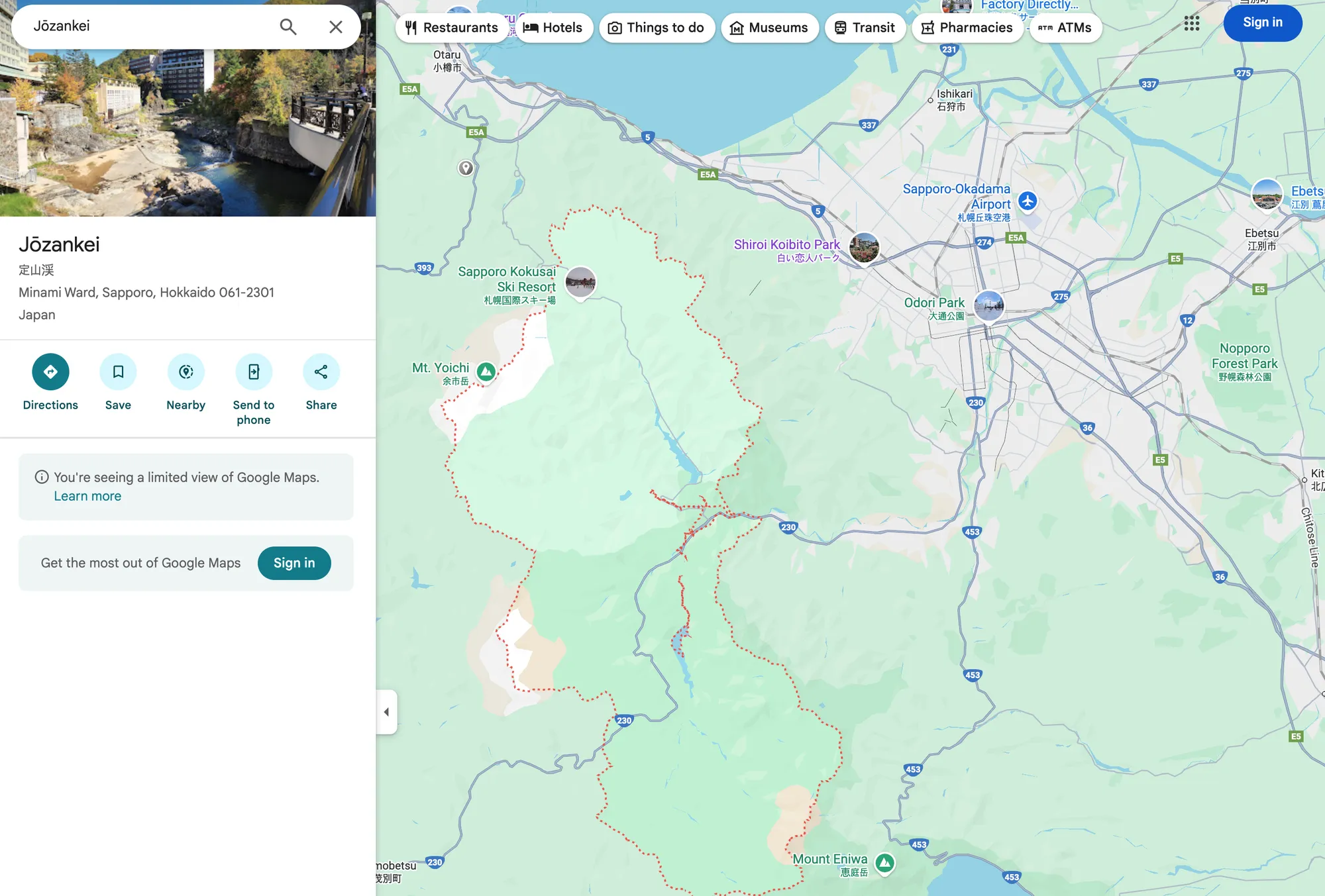
Location of Jozankei Village (c) google.com/maps
Location of Jozankei Village © google.com/maps
Located 26 kilometers south of downtown Sapporo, Jozankei village sits within Shikotsu-Toya National Park, a volcanic region famous for its diverse mountainous terrain, rich natural environment, and hot springs. The thermal waters of Jozankei are sodium chloride springs, which have a slightly salty taste. This salt content is known to raise body temperature and retain heat for an extended period, making it effective for relieving anemia, neuralgia, joint pain, and stiff shoulders.
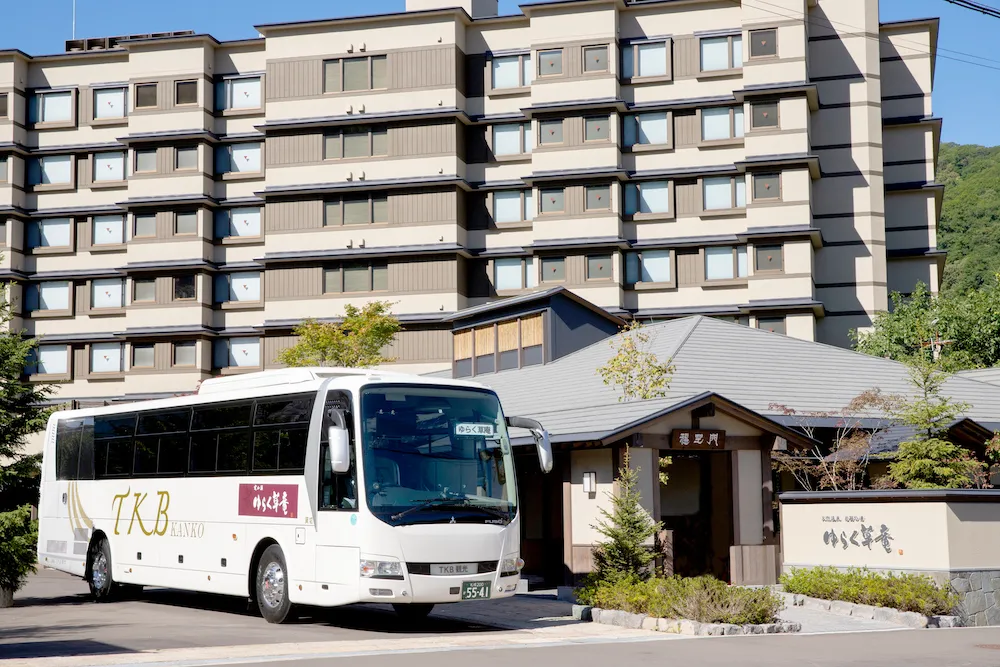
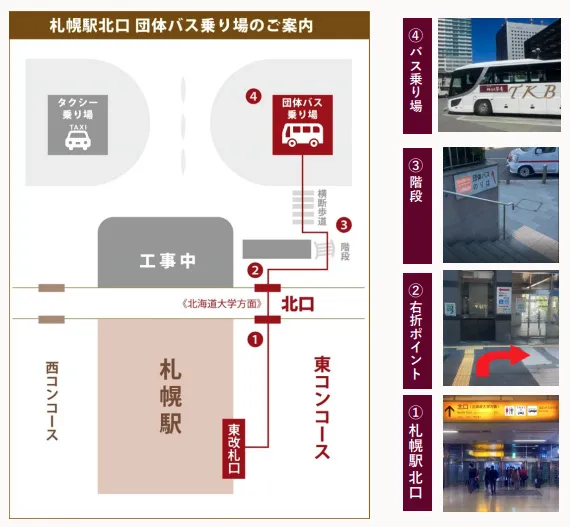
Jozankei Yuraku Soan Shuttle Bus and Stop Locations © dormy-hotels.com
Jozankei Yuraku Soan is located right in this hot spring village, along Route 230, the main road that runs through Jozankei. It takes about an hour by car from Sapporo, and the most convenient way to get there is by taking the ryokan’s complimentary shuttle bus. You can reserve the shuttle via their booking site after reserving your room. The bus departs from the North Entrance of Sapporo Station at 2:30 PM, and the return bus departs from the ryokan at 10:30 AM, taking about 50 minutes each way. However, with over 100 rooms and only one 40-passenger bus making a single round trip per day, shuttle reservations can fill up quickly. Since you can book the shuttle months in advance, I highly recommend securing your seats as soon as you book your room. You can reserve the Jozankei Yuraku Soan shuttle bus here.
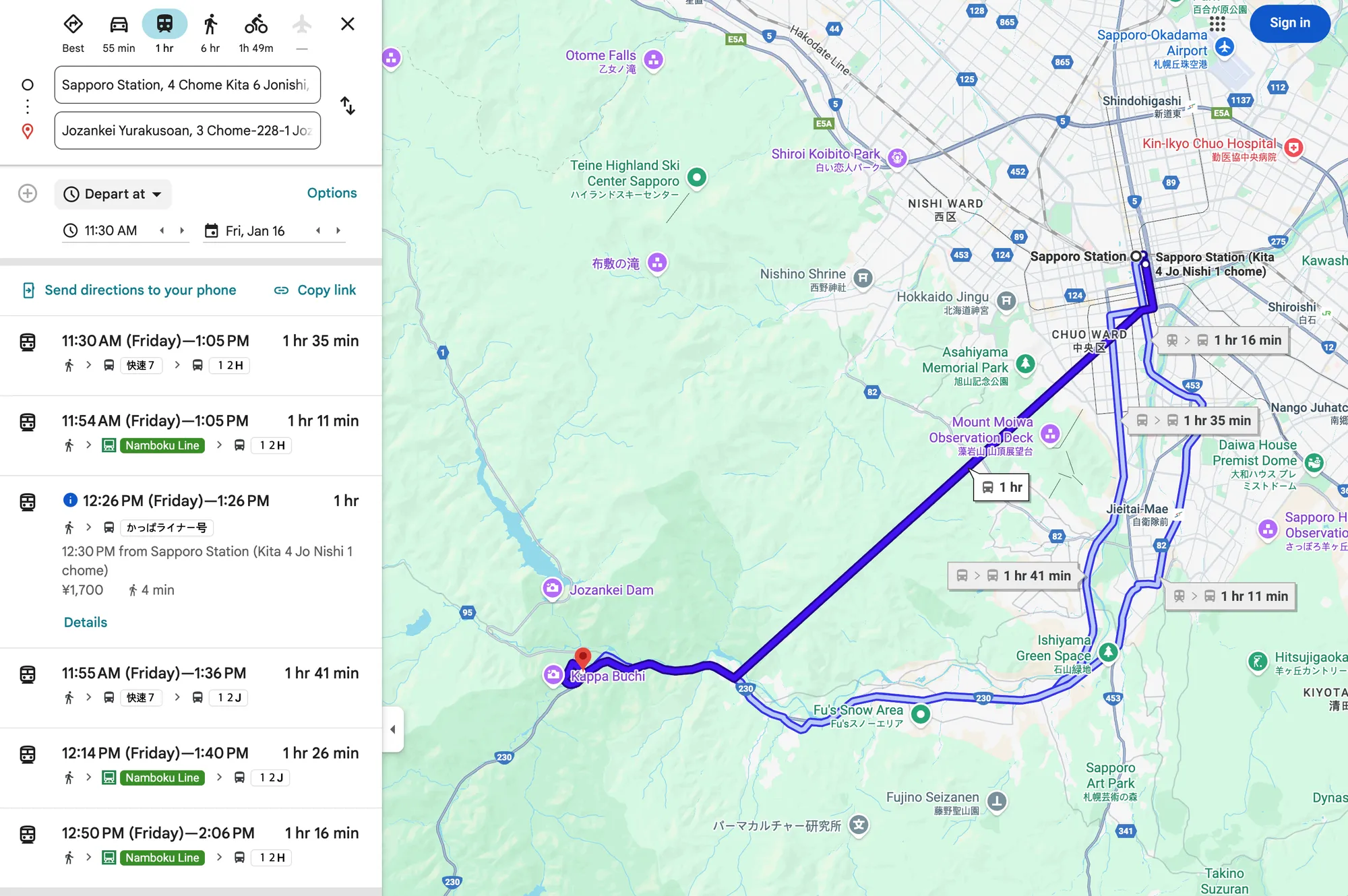
How to Get to Jozankei Yuraku Soan from Sapporo Using Kappa Liner (c) google.com/maps
How to Get to Jozankei Yuraku Soan from Sapporo Using Kappa Liner © google.com/maps
If the shuttle is fully booked or the schedule doesn’t work for you, the Kappa Liner bus is an excellent alternative from Sapporo. The Kappa Liner makes eight round trips a day. To align with Yuraku Soan’s check-in time, the best options are the 12:30 PM or 2:00 PM departures from Sapporo Station. You should get off at the Jozankei Onsen Higashi 2-chome stop, which is incredibly convenient since the ryokan is located right in front of the bus stop, saving you from dragging your luggage too far. A one-way adult ticket costs 1,460 JPY. While you can board without a reservation, the 12:30 PM and 2:00 PM buses are often full during peak seasons or weekends, so booking ahead is highly recommended. Reservations open one month before departure. You can find more information about the Kappa Liner here, and you can book tickets here.
If you can’t catch the Kappa Liner at your preferred time, you can also take regular local buses (Rapid No. 7 or No. 8) from Sapporo to Jozankei. The downside is that you might have to stand if there are no seats, and there isn’t a designated area for large luggage. Alternatively, taking a taxi from Sapporo to Jozankei costs around 7,500 JPY one-way.
5. Check-In
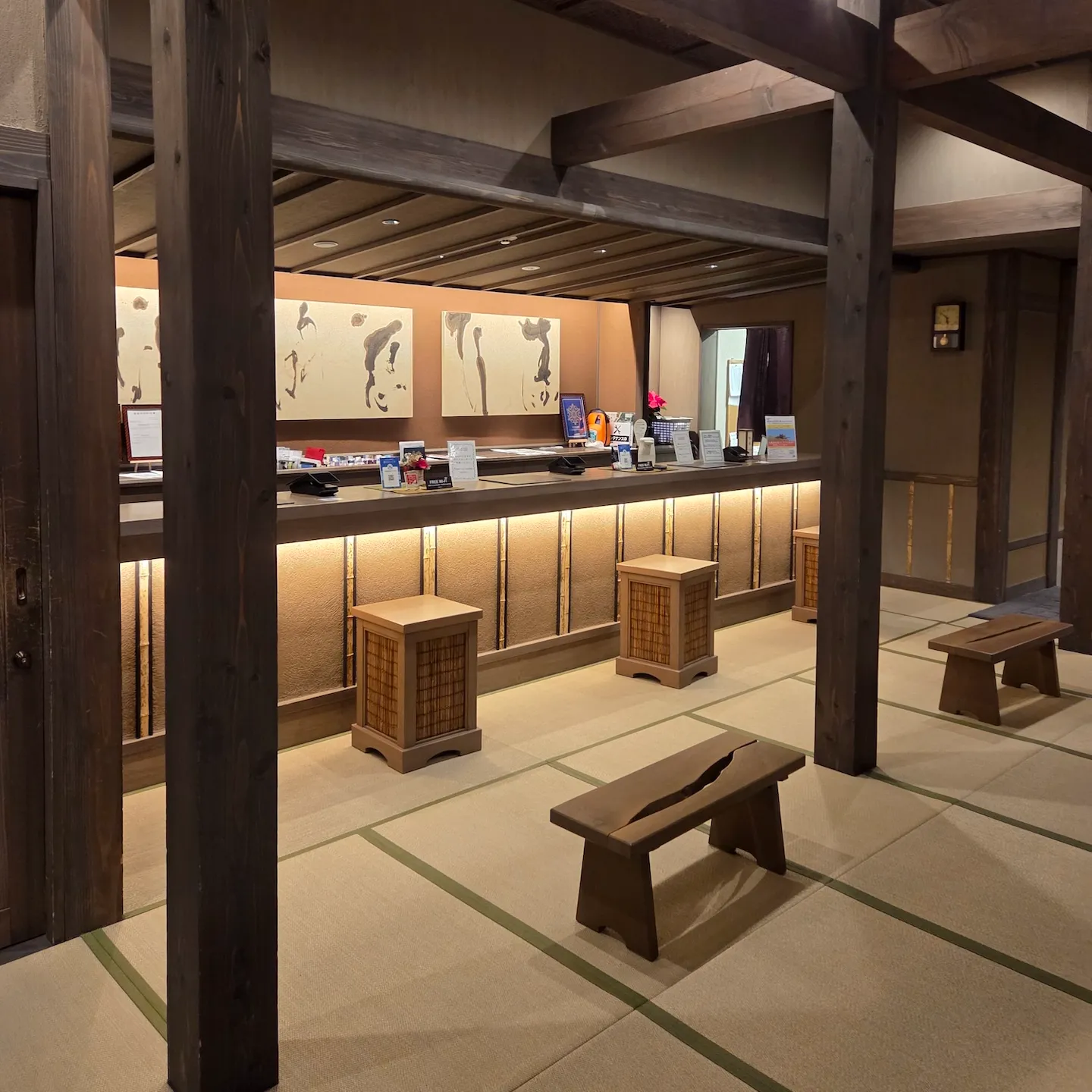

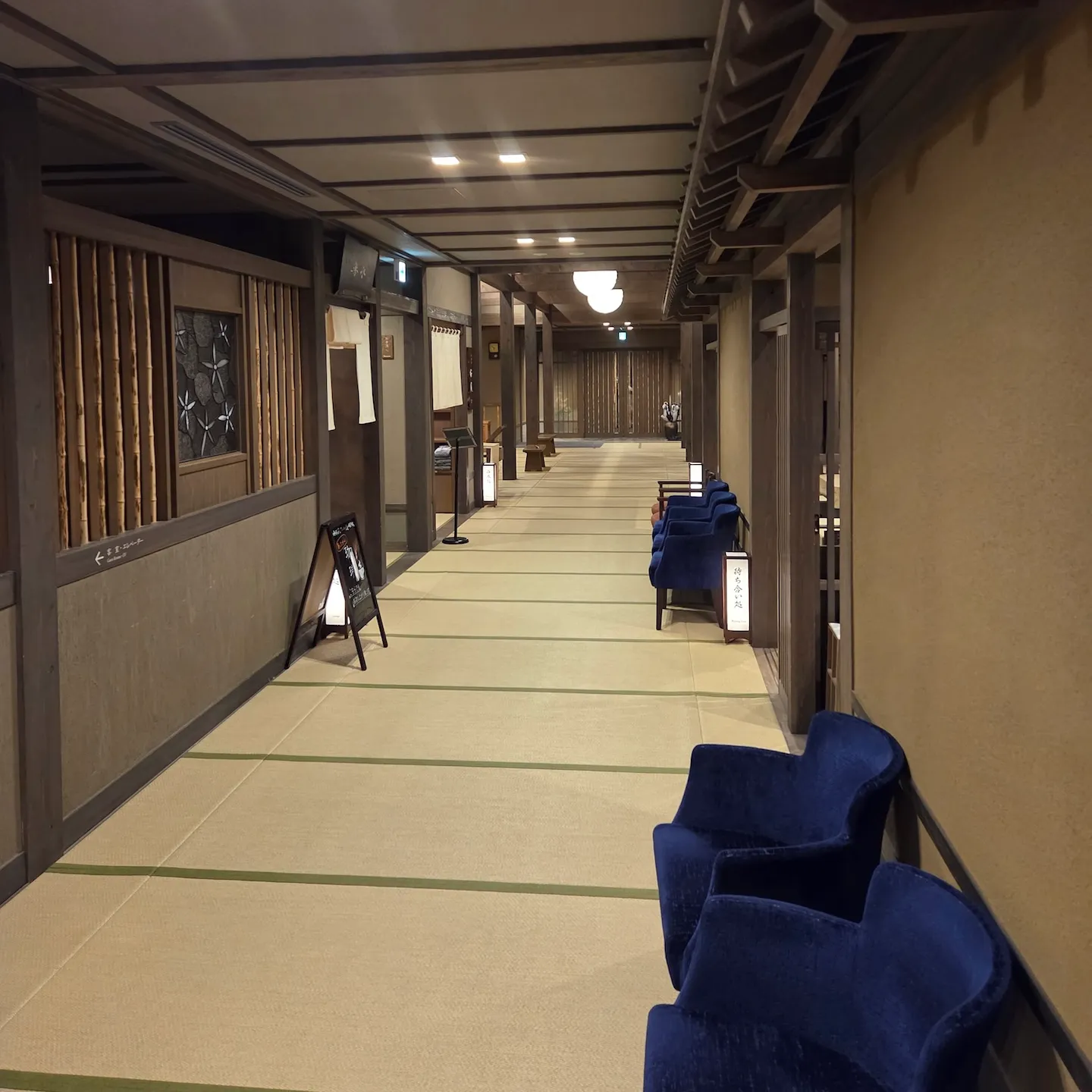
Jozankei Yuraku Soan Check-in Lobby
The official check-in time is 3:00 PM, but they unofficially start processing check-ins around 2:30 PM. If you arrive earlier, you’ll receive a waiting number and can relax in the lobby, where complimentary coffee, tea, and water are provided. Around 2:30 PM, they start calling numbers to proceed with check-in.
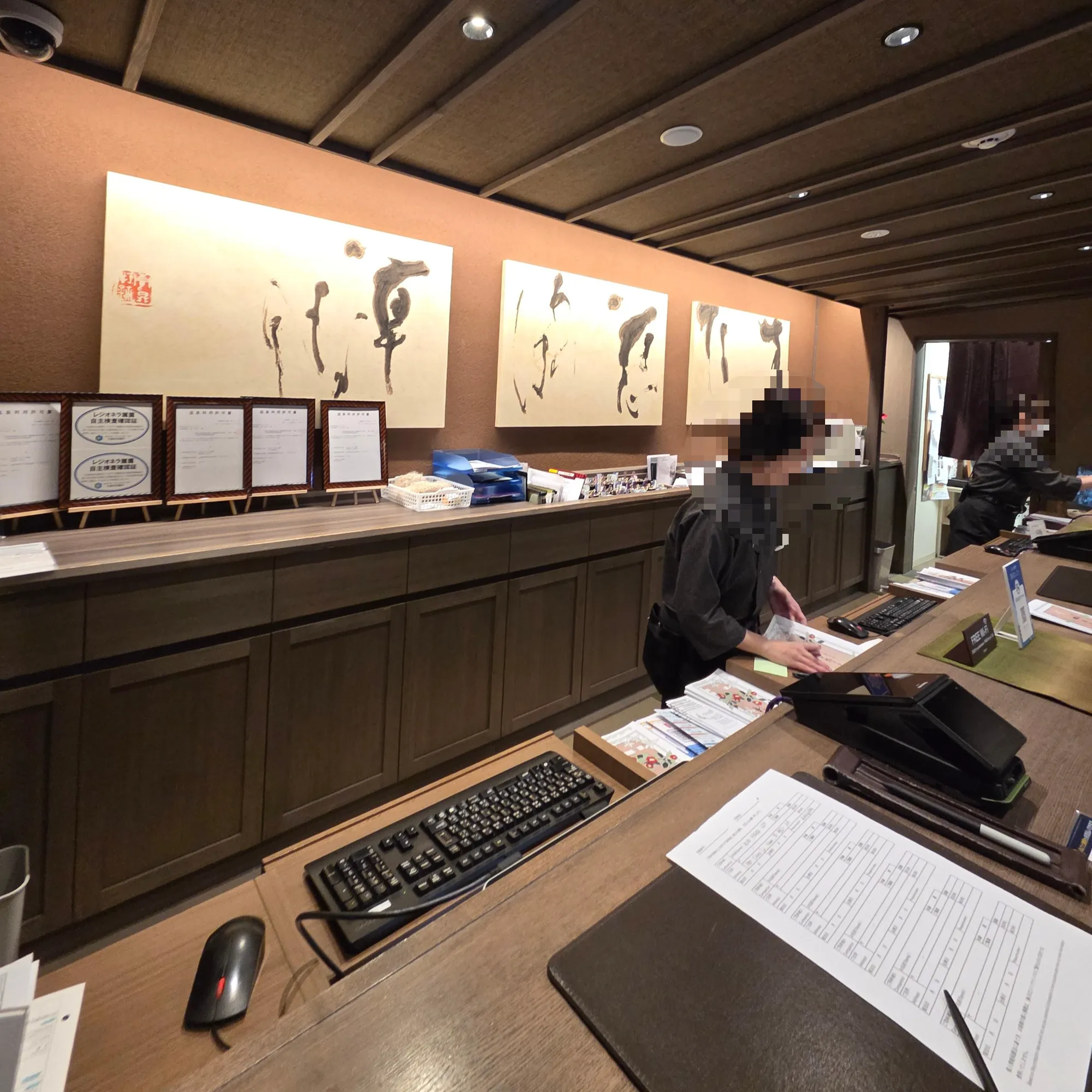

Jozankei Yuraku Soan Check-in Lobby
The check-in process was smooth and straightforward. Since the ryokan receives many foreign guests (mostly Korean and Chinese), they provide instruction manuals and notices in English, so not knowing Japanese isn’t an issue. However, keep in mind that the staff’s English isn’t entirely fluent, so having in-depth conversations can be a bit challenging.
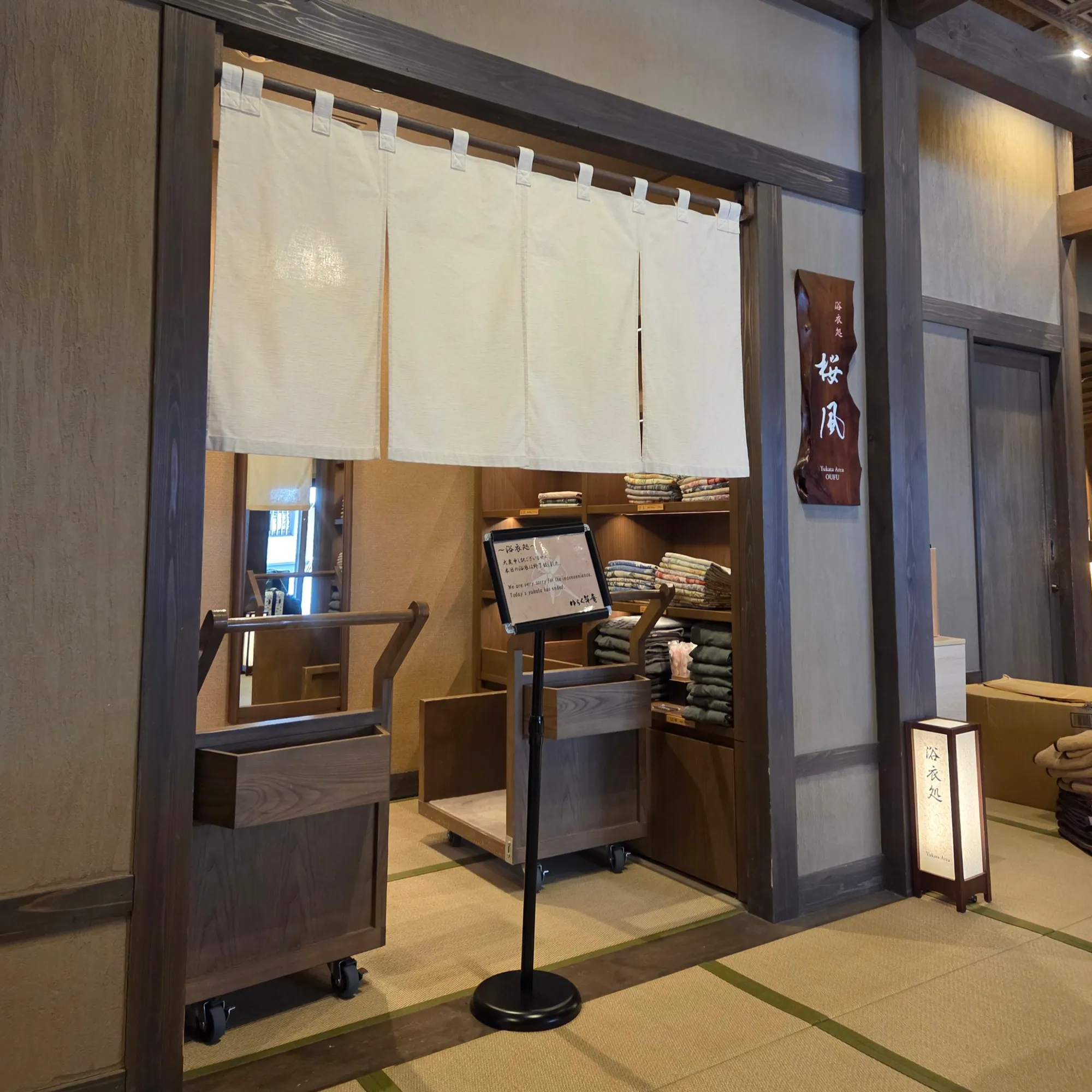

Jozankei Yuraku Soan Yukata Corner
Once check-in begins, the yukata corner next to the front desk also opens. While standard medium and small-sized loungewear are already provided in the room, female guests can pick out a yukata with their preferred color and design from this corner. Since it operates on a first-come, first-served basis, I recommend choosing your yukata right after checking in if the corner is open. You can also pick up loungewear in sizes other than small or medium here.
6. The Room
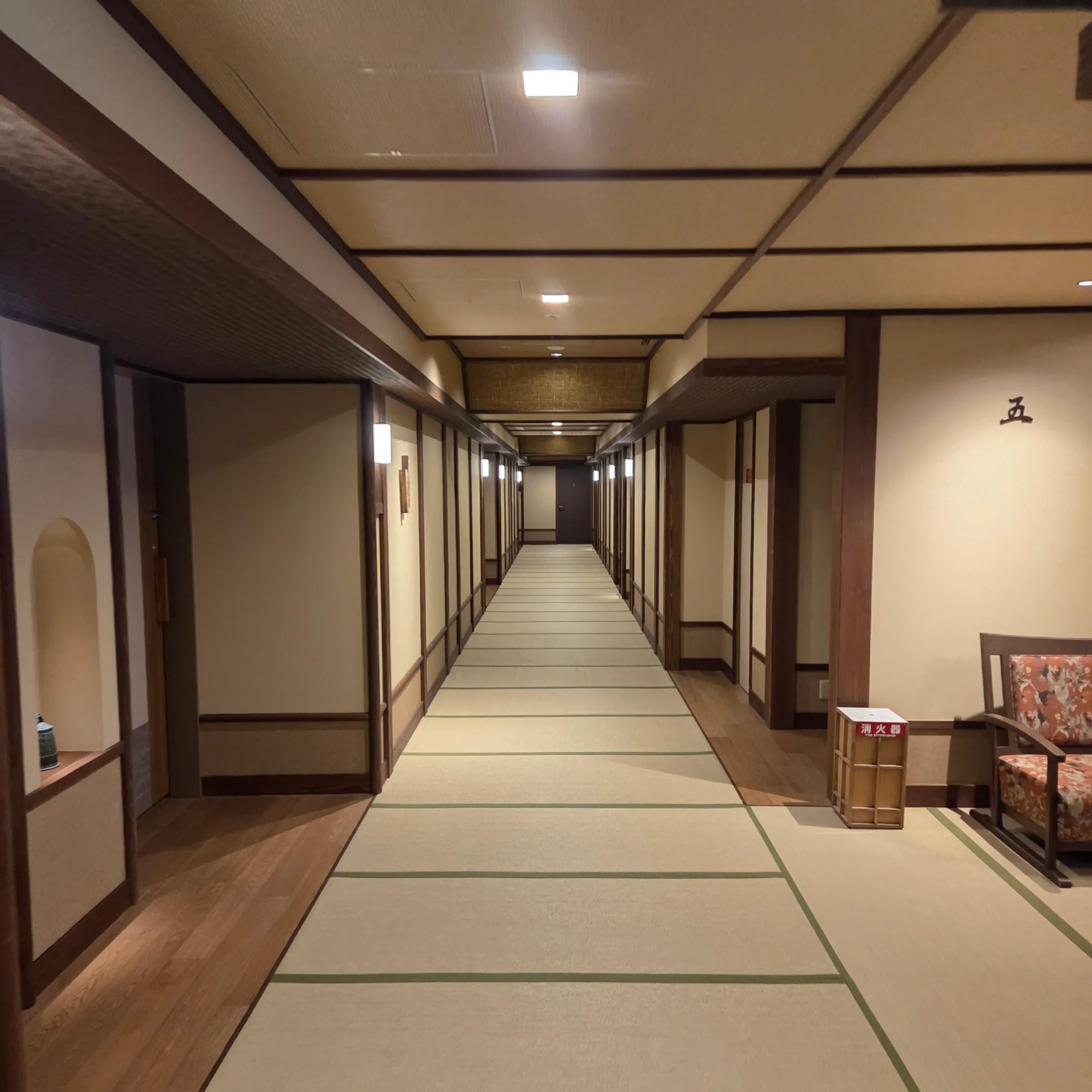

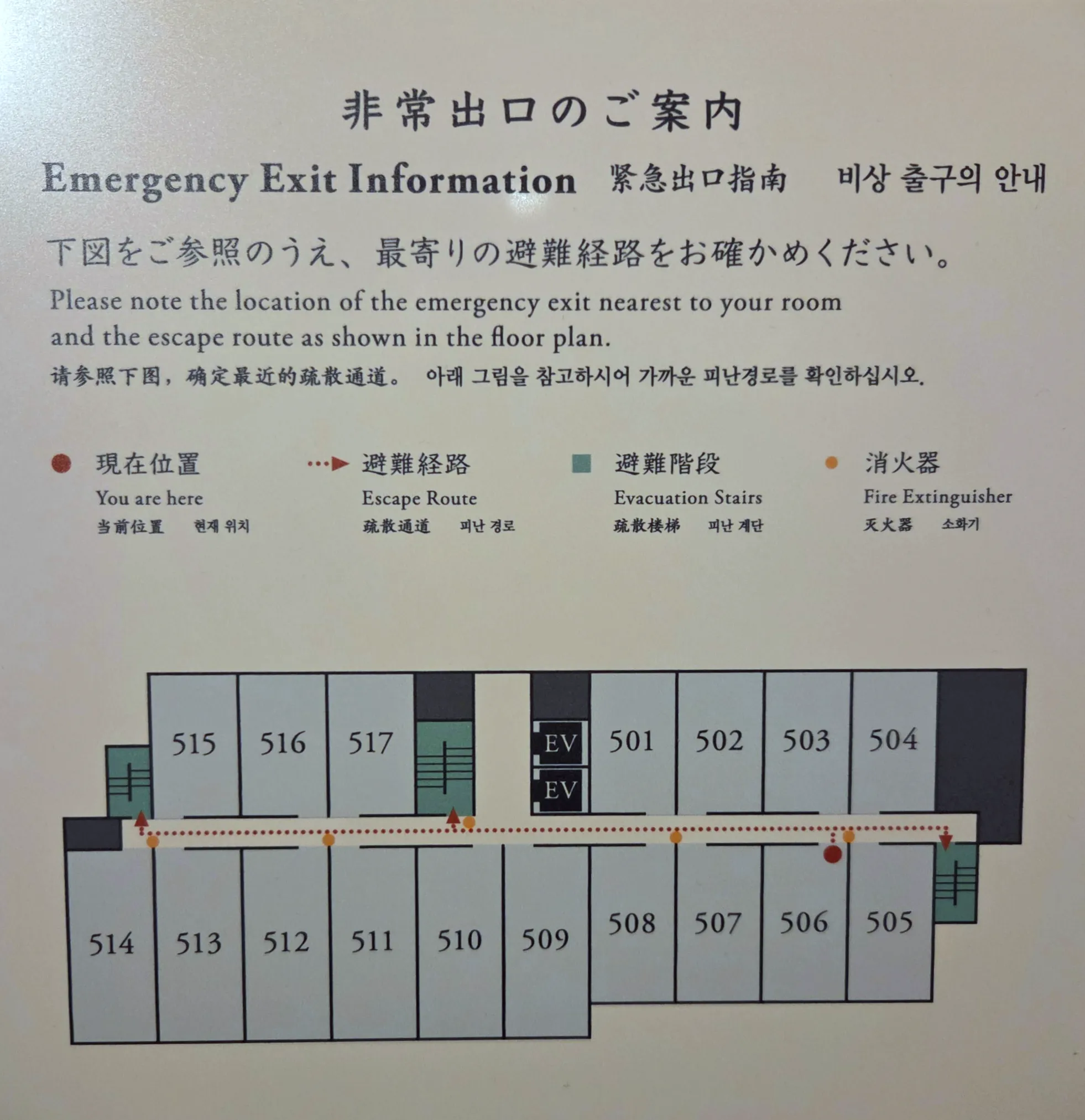
Jozankei Yuraku Soan Corridors and Floor Guide
As a modern ryokan, Jozankei Yuraku Soan occupies a 7-story building. Guest rooms are spread across the 2nd to 7th floors, with about 17 rooms per floor. The entire interior is covered in tatami mats, meaning outdoor shoes are strictly prohibited. You can walk around in the slippers provided with your loungewear, or simply walk in your socks, which is what I and many other guests did. Despite being a modern building, the corridors and room entrances exude the traditional, natural, and understated beauty typical of a Japanese ryokan, creating a very relaxing atmosphere. The various decorations along the hallways were also a nice touch.
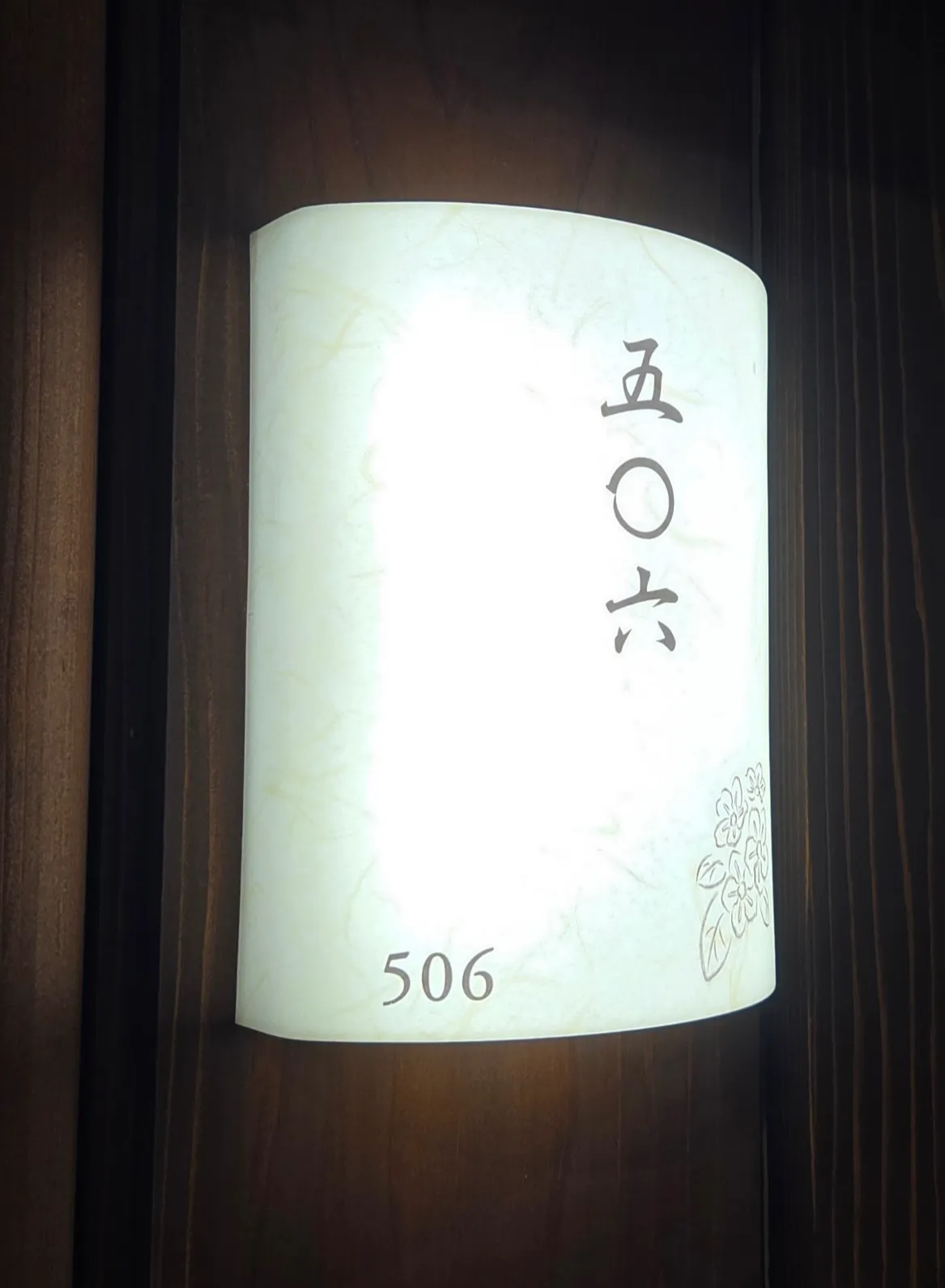
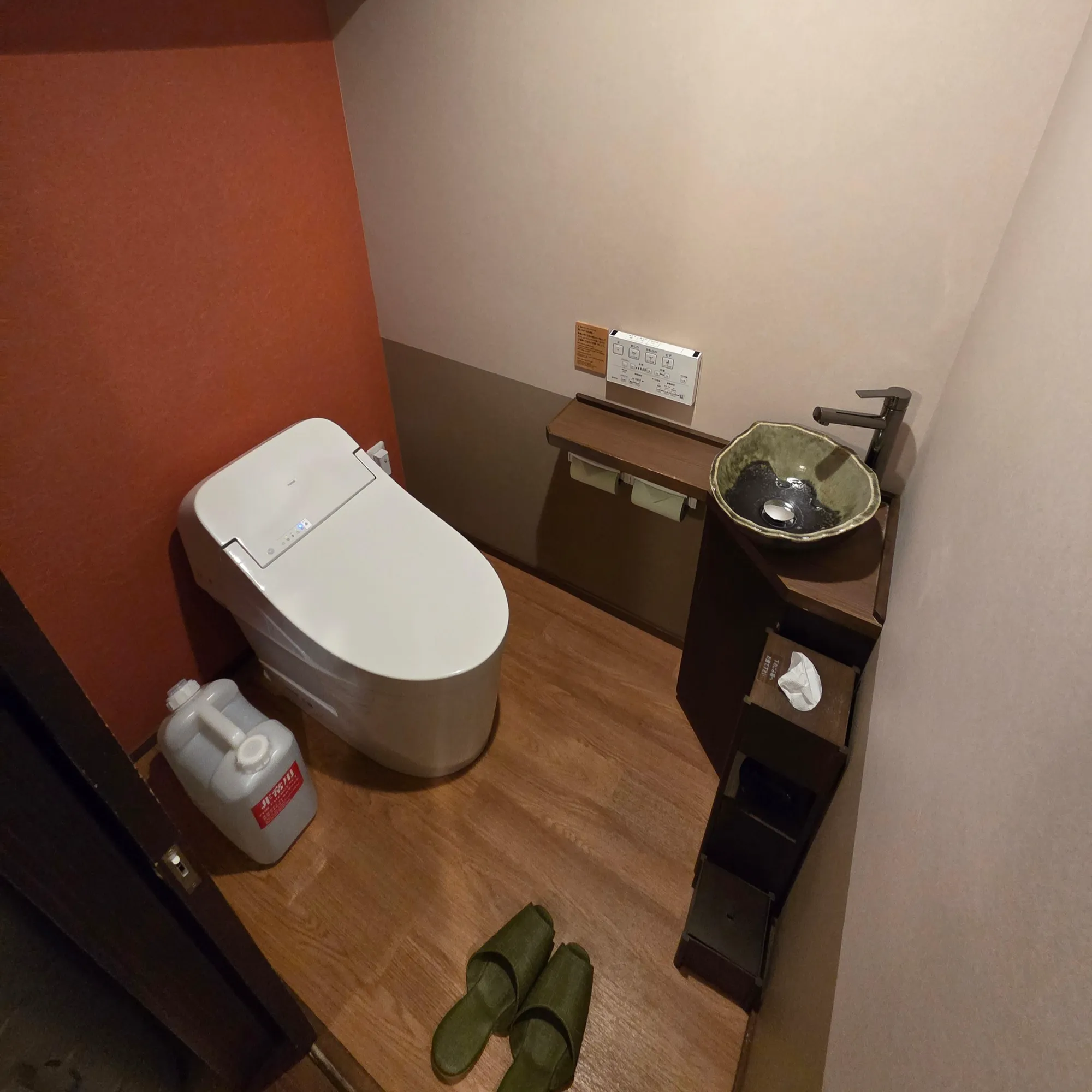
Jozankei Yuraku Soan Deluxe Twin Room Vanity and Toilet
Upon entering the room, you are greeted by a long, narrow hallway. True to typical Japanese ryokan layouts, the toilet, sink area, and bathing space are all separated. Immediately to the left of the entrance is a water closet (or a separate toilet room), which naturally features a bidet. Moving further down the hall, the main living space is to the right, and the vanity area is to the left.
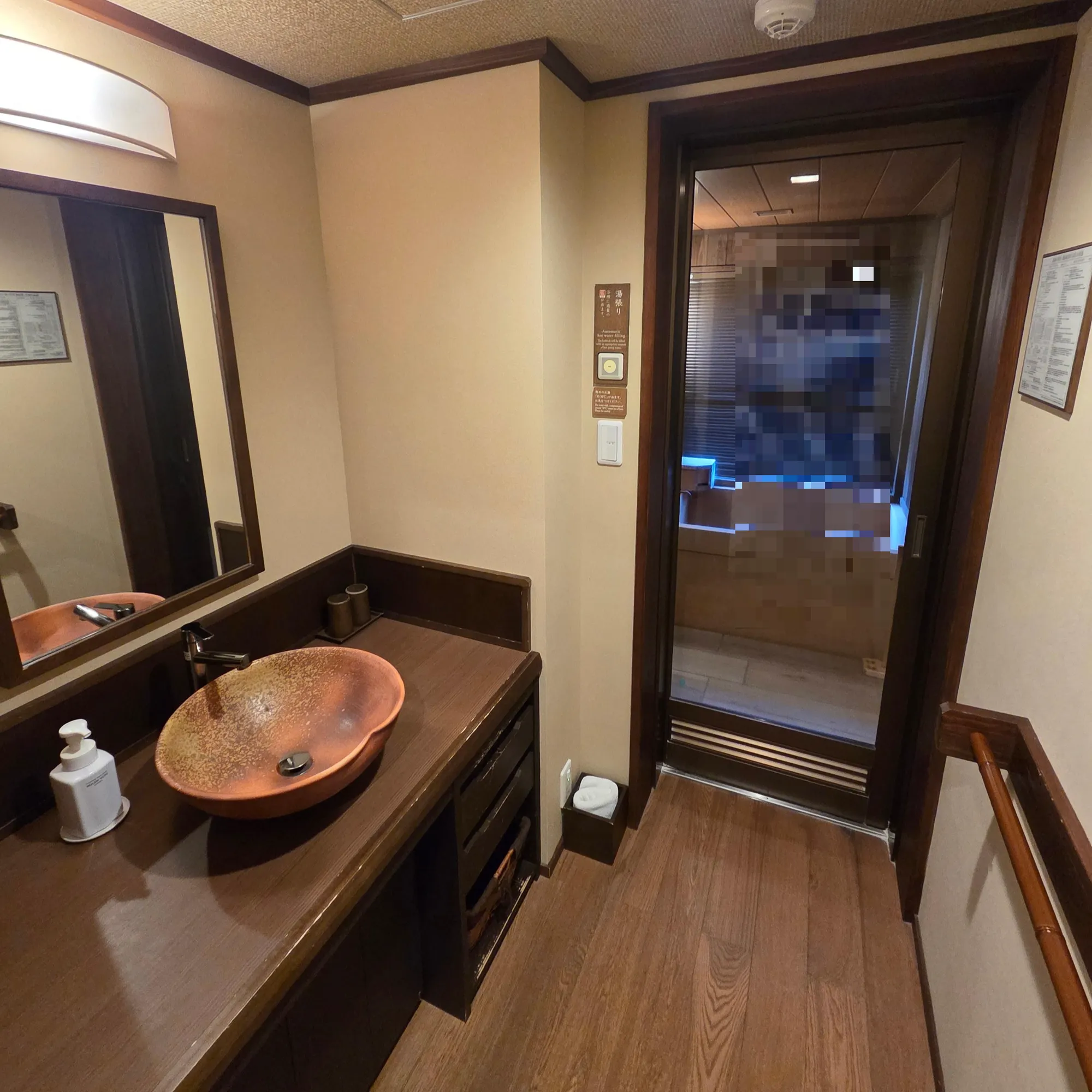
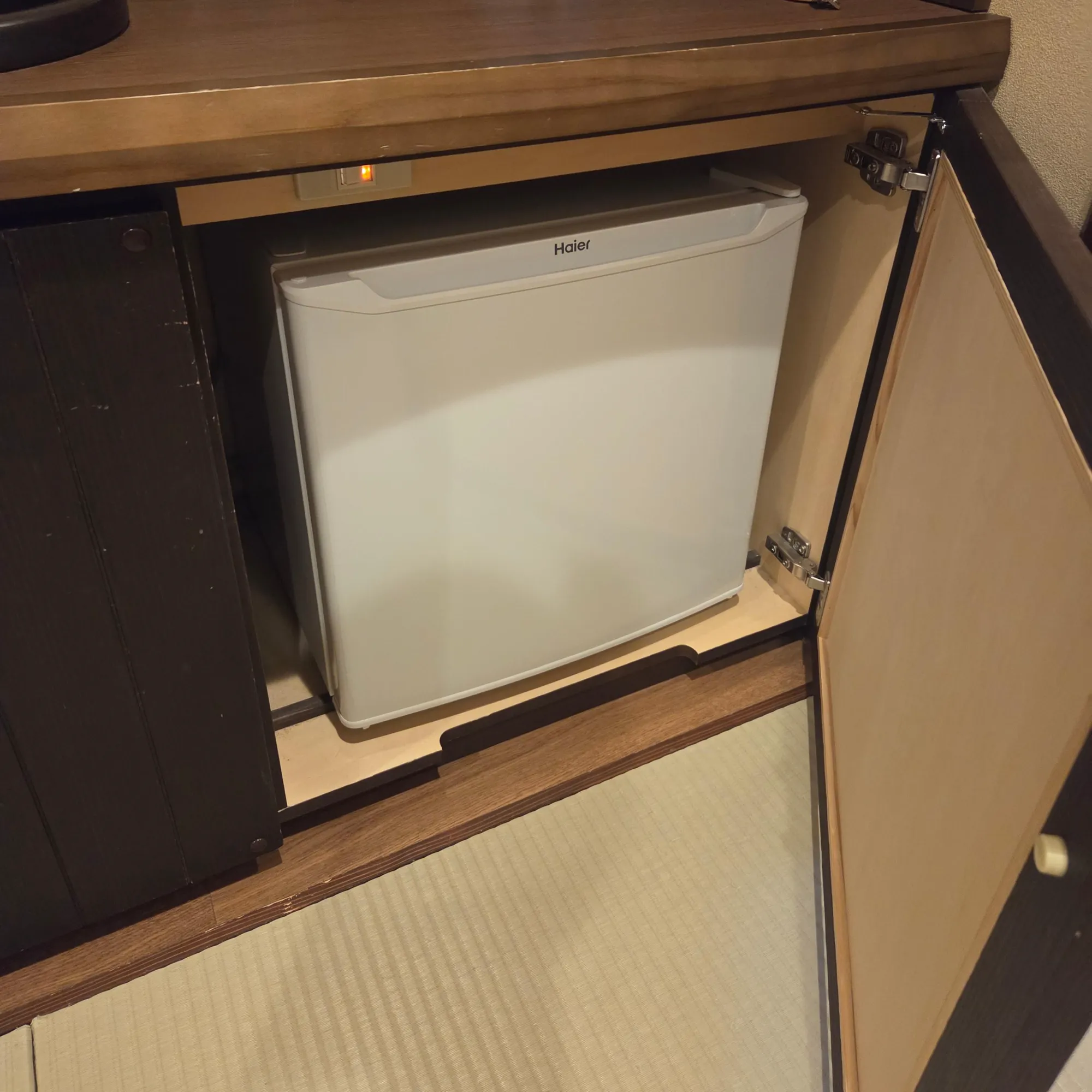
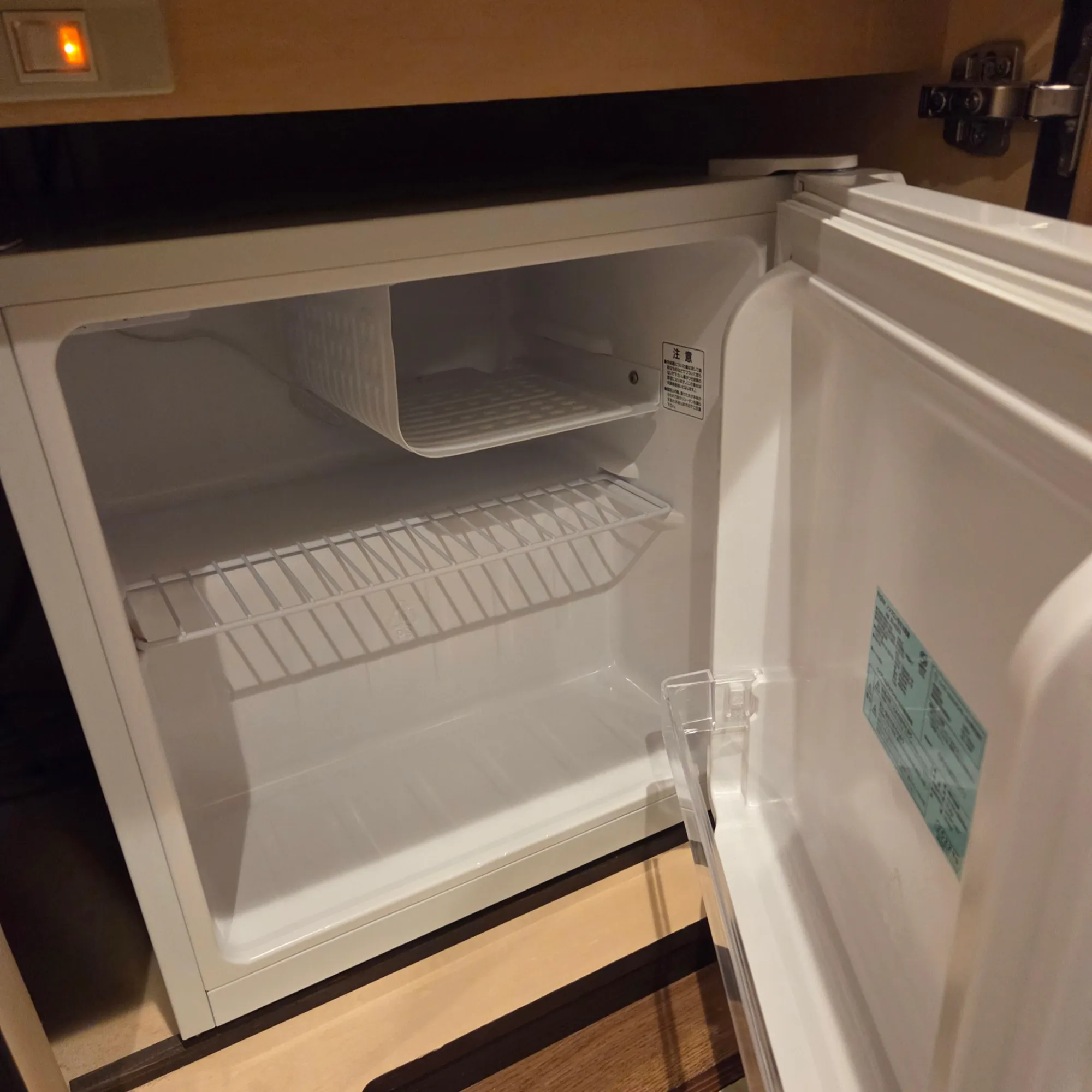
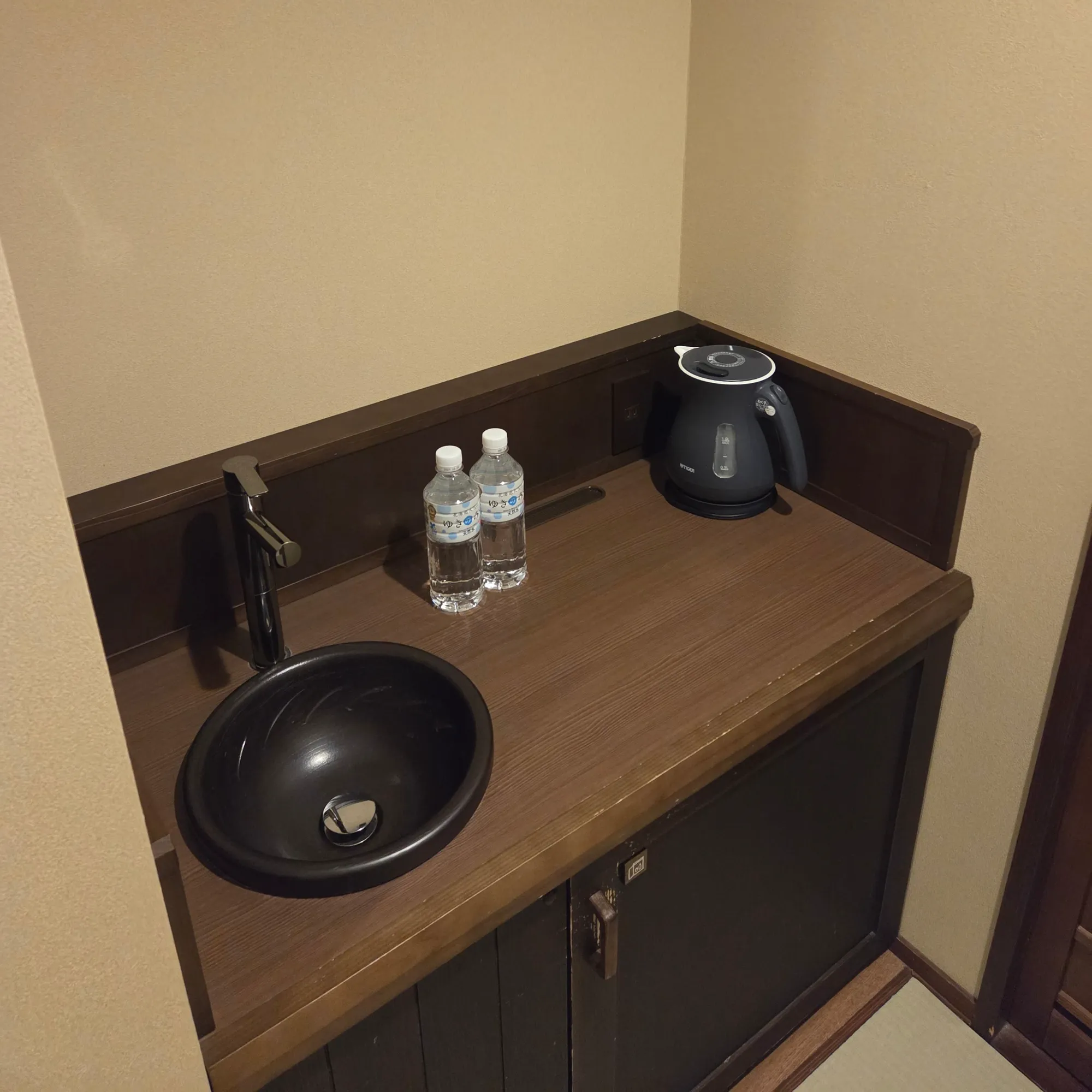
Jozankei Yuraku Soan Deluxe Twin Room Vanity and Refrigerator
There are two sinks, but judging by the different faucet heights and bowl sizes, they clearly serve different purposes. The one on the left has a higher faucet and a smaller bowl, likely intended for filling the room’s humidifier or rinsing cups. Below this sink is the refrigerator. A sliding door separates the two sinks. The sink on the right is a standard vanity for washing hands, brushing teeth, and washing your face. While the counter space here isn’t huge, there is a separate dressing table with a mirror in the living room, so I didn’t need to clutter the bathroom sink with cosmetics, making it perfectly convenient.


Jozankei Yuraku Soan Deluxe Twin Room Private Bath
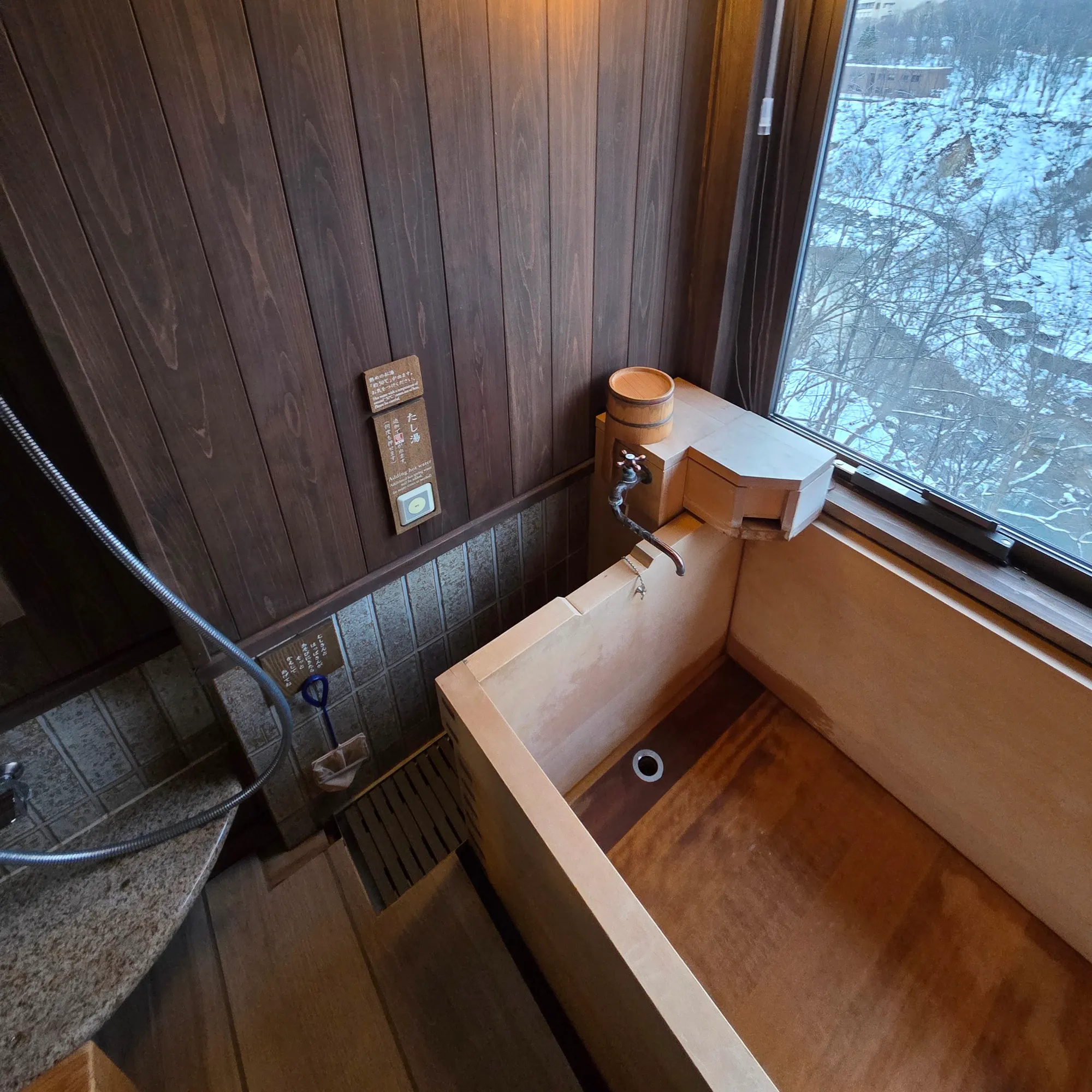

Jozankei Yuraku Soan Deluxe Twin Room Private Bath
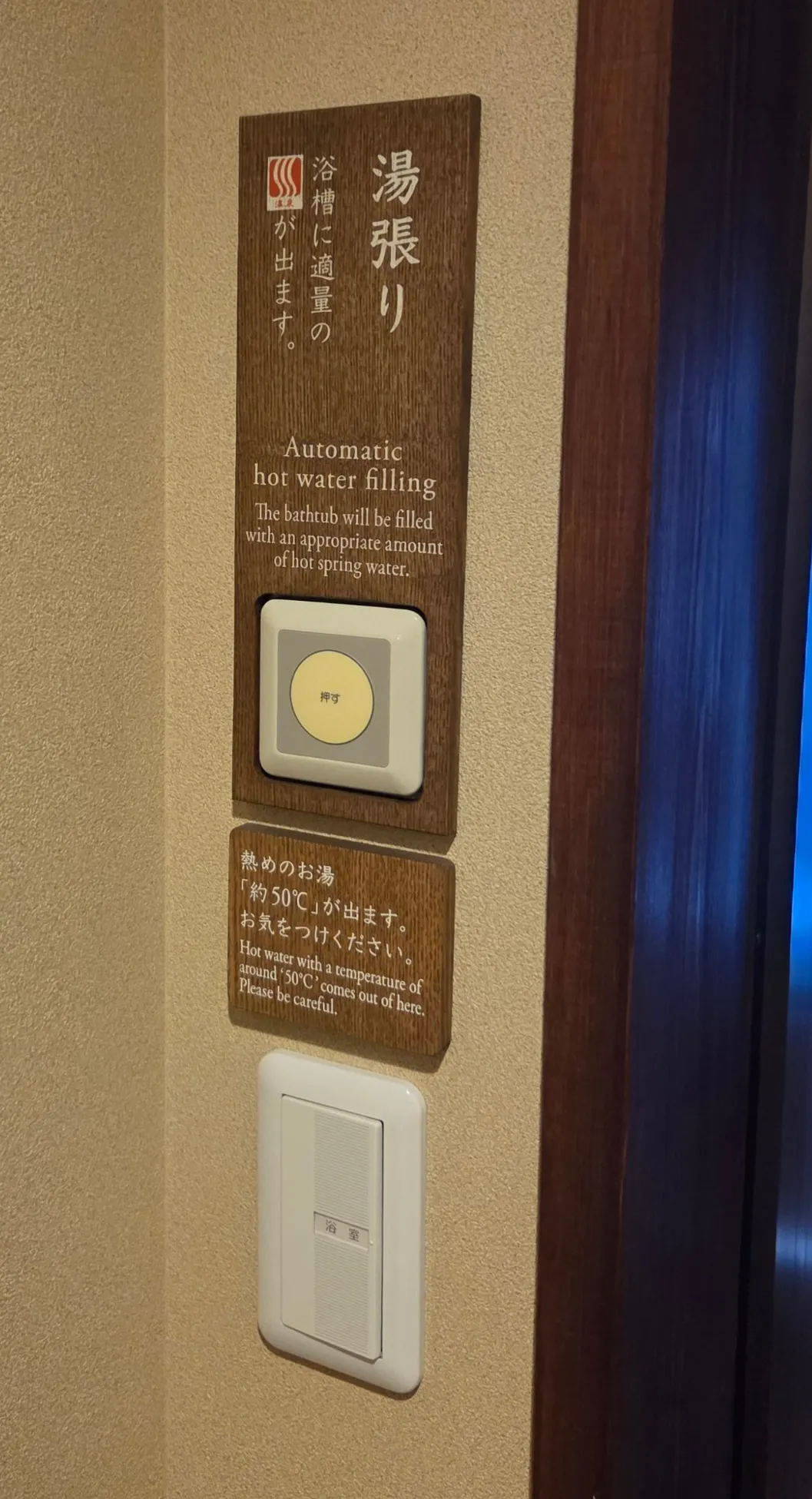
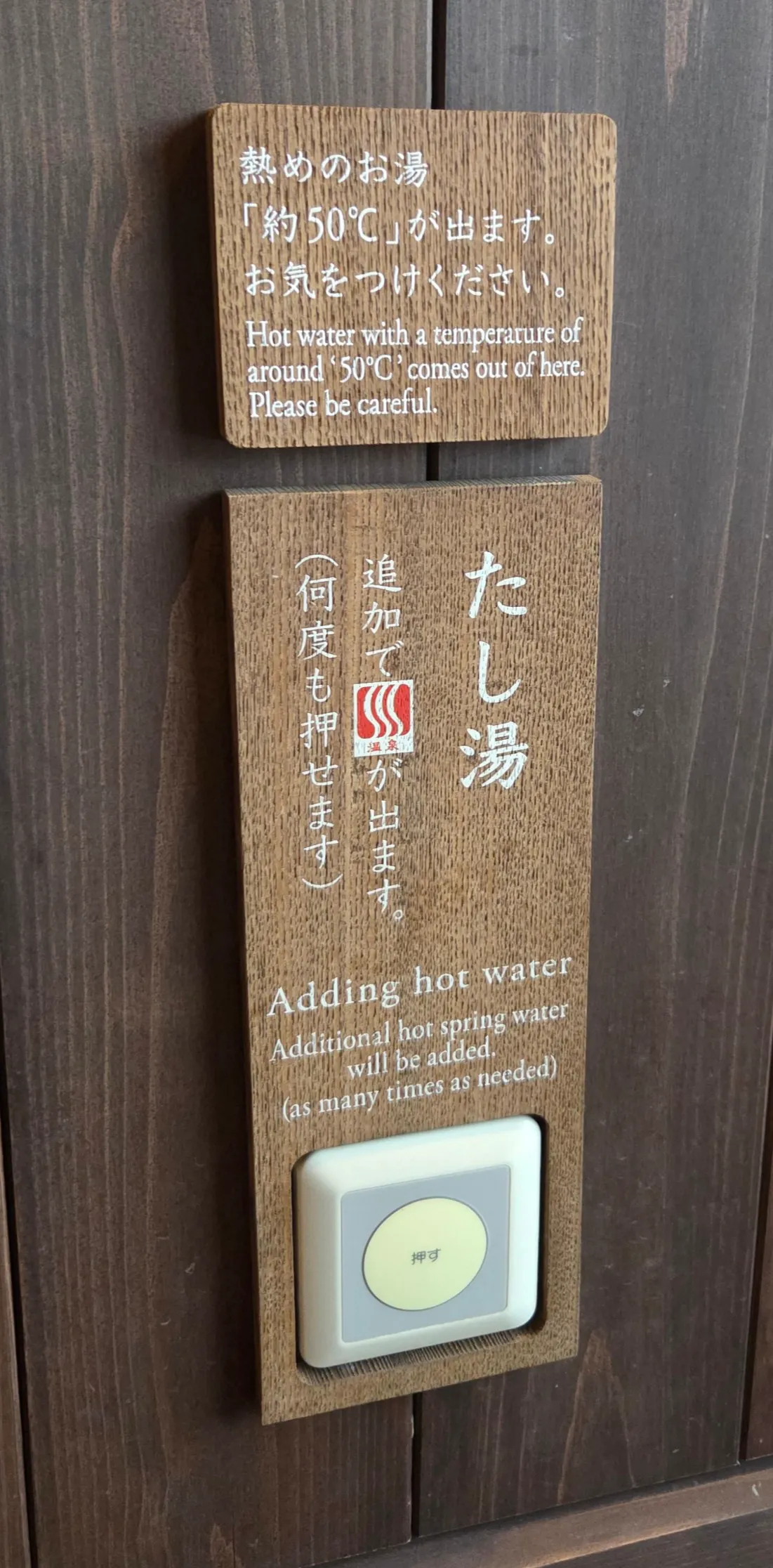
Jozankei Yuraku Soan Deluxe Twin Room Private Bath
At the very end of the hallway is the private bath. It features a wooden soaking tub and a shower, and since the room faced the valley, I could see the snow-capped mountains through the window. The wooden tub isn’t massive, but it’s large enough to fit two people. To fill the tub, you simply press a button located by the vanity, which automatically fills the bath and stops on its own—a very convenient feature. It took about 15 minutes to fill up. There is also a manual button right next to the tub if you want to top it off. Note that the hot spring water comes out at nearly 50 degrees Celsius, so it’s best to let it sit and cool for a bit before getting in.

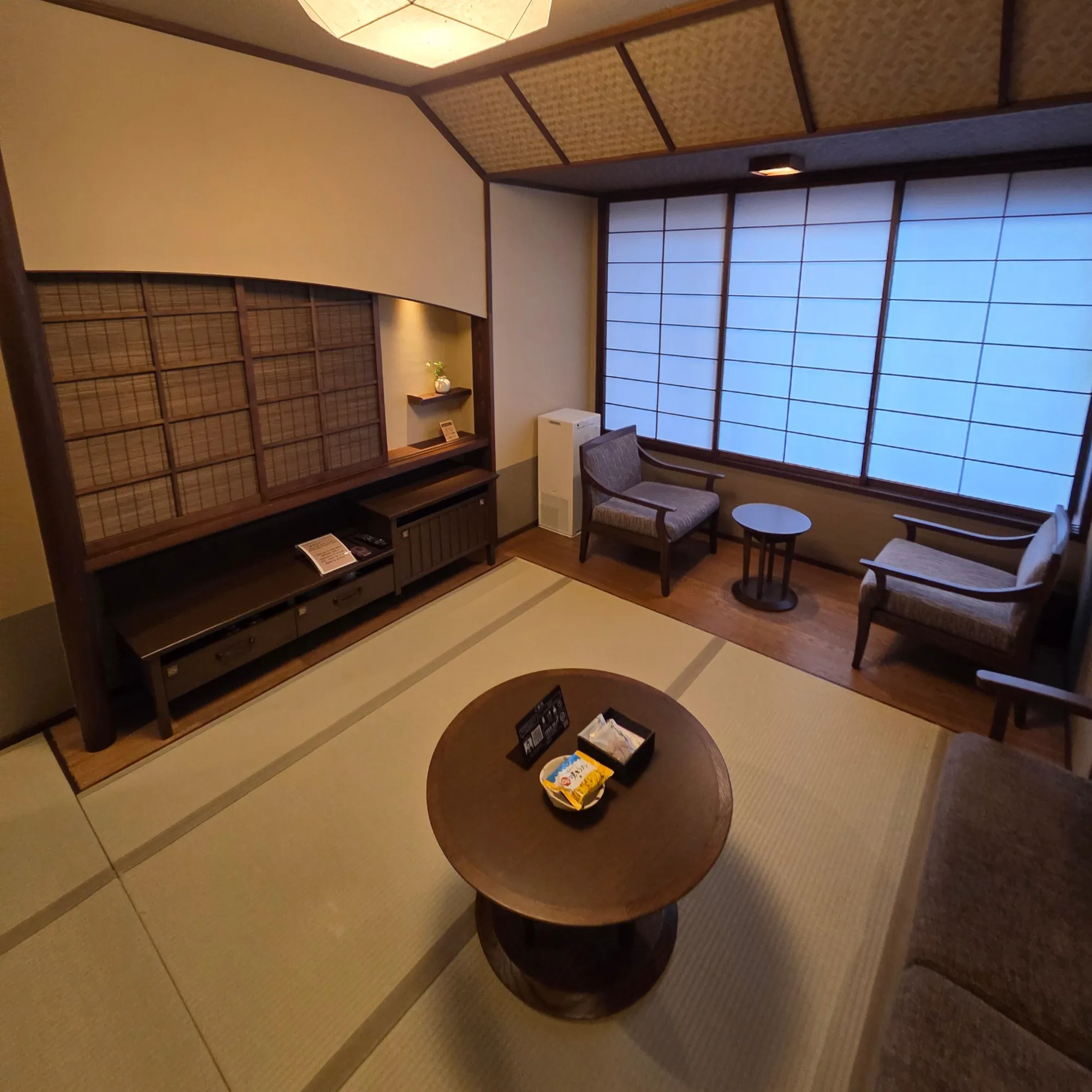
Jozankei Yuraku Soan Deluxe Twin Room Living Area
Jozankei Yuraku Soan Deluxe Twin Room Living Area
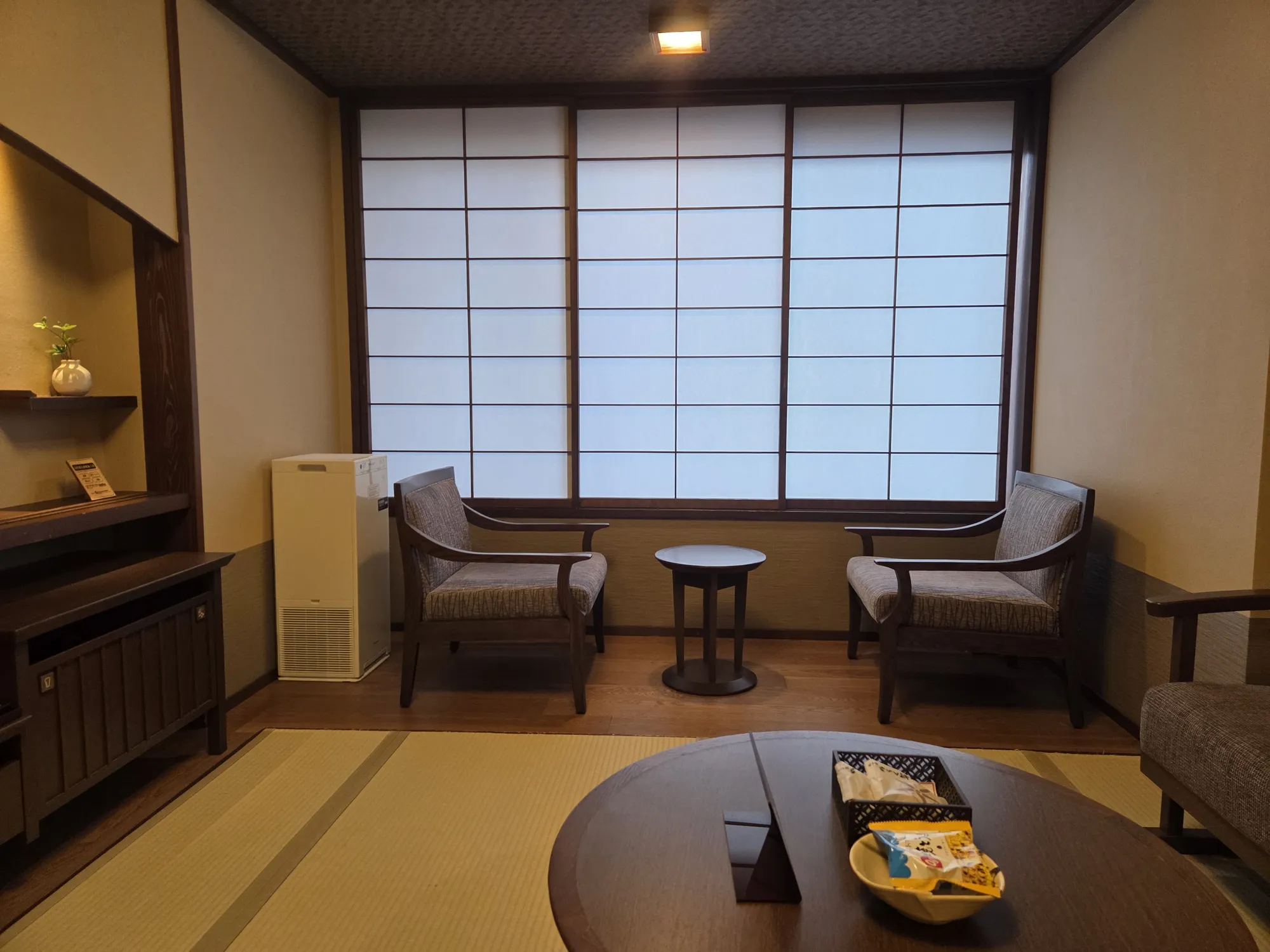
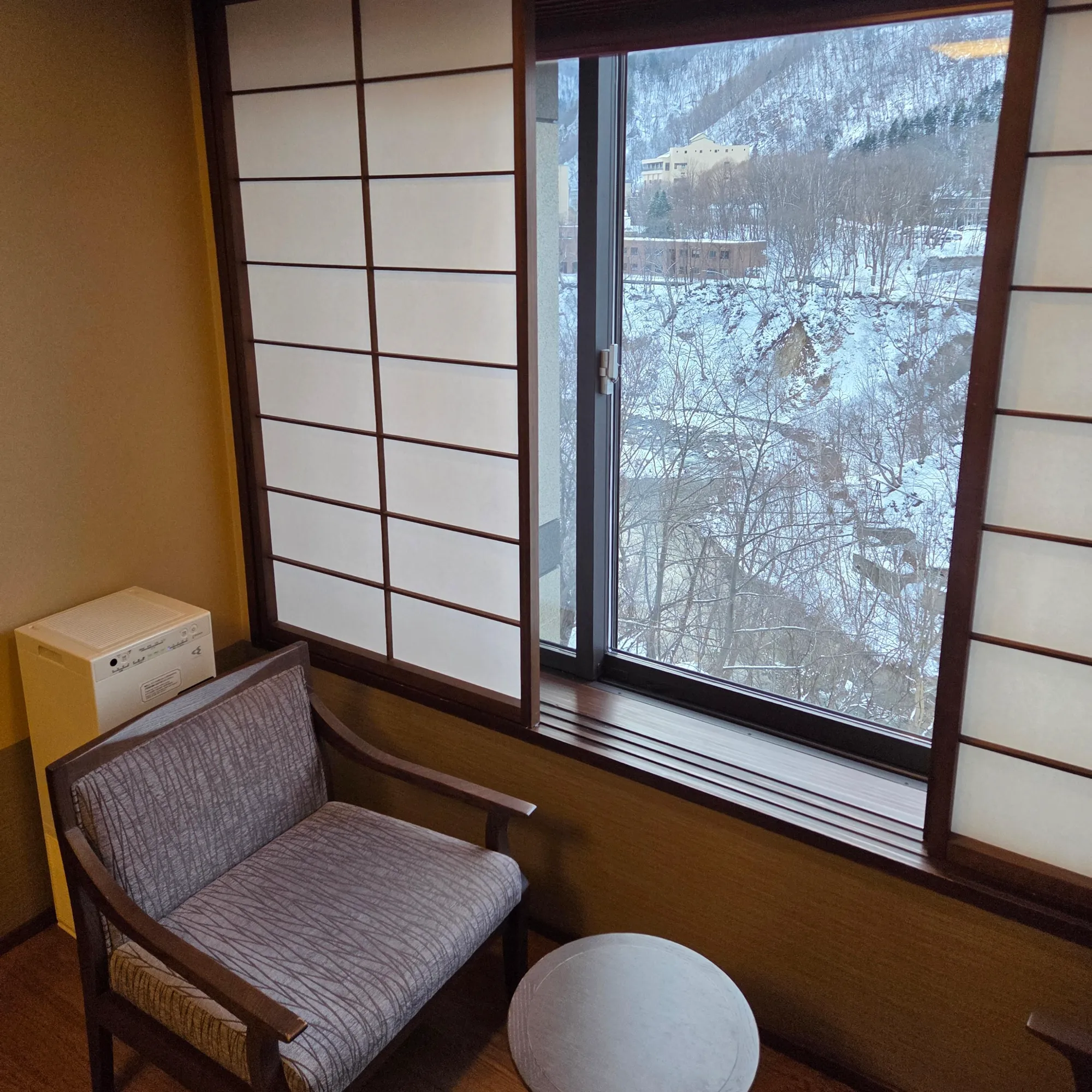
Through the door on the right side of the hallway, you enter the main living room. The room features a large window with two lounge chairs and a small coffee table where you can enjoy tea or coffee while taking in the view. Since the room faces the valley, you get a beautiful sight of the snow-capped mountains outside. Sitting in the lounge chair, you can take in the peaceful scenery of the valley and the hot spring village all at once. Personally, I absolutely loved waking up early and sipping coffee while gazing at the tranquil morning view.
Jozankei Yuraku Soan Deluxe Twin Room TVand Coffee & Tea Set
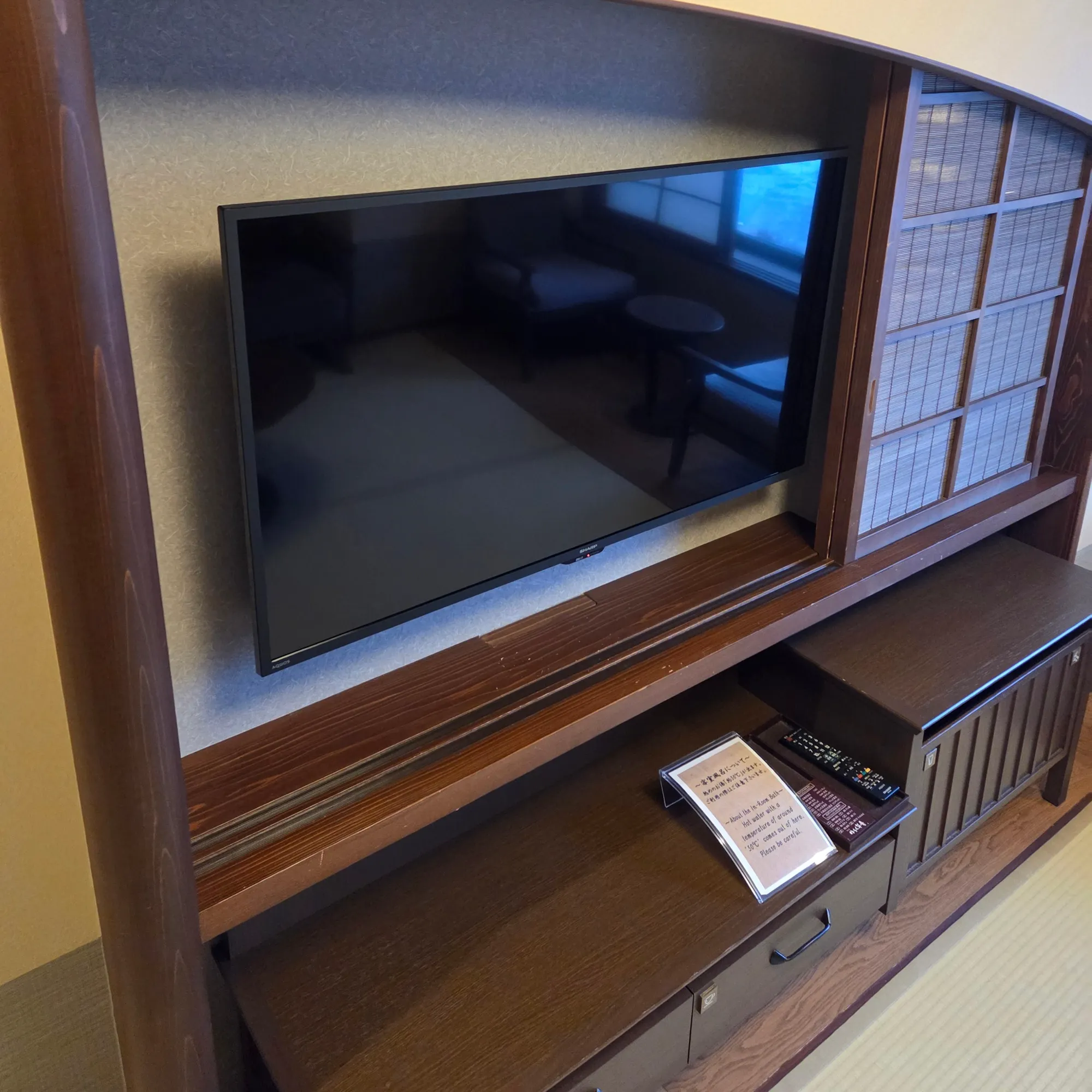
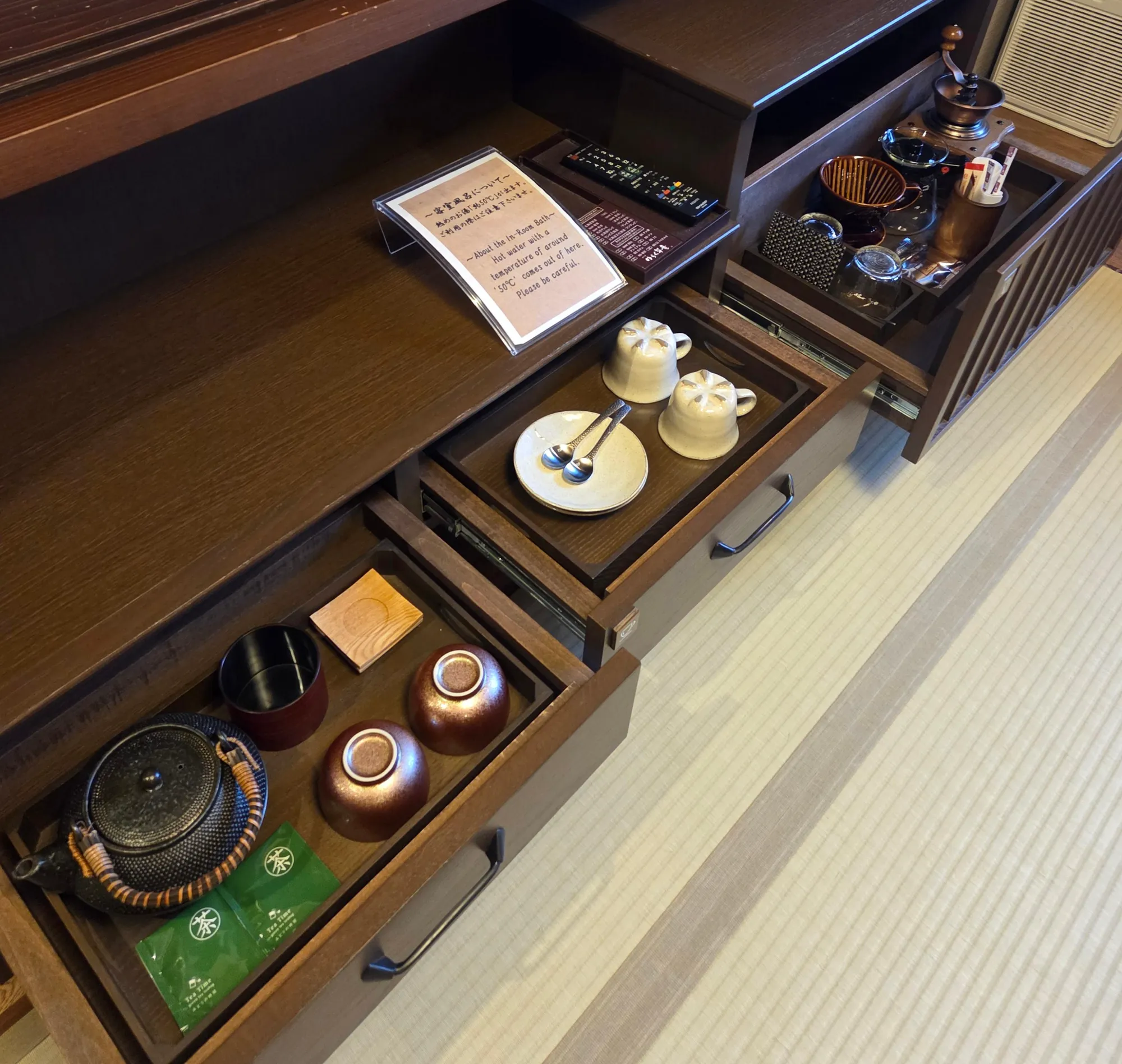
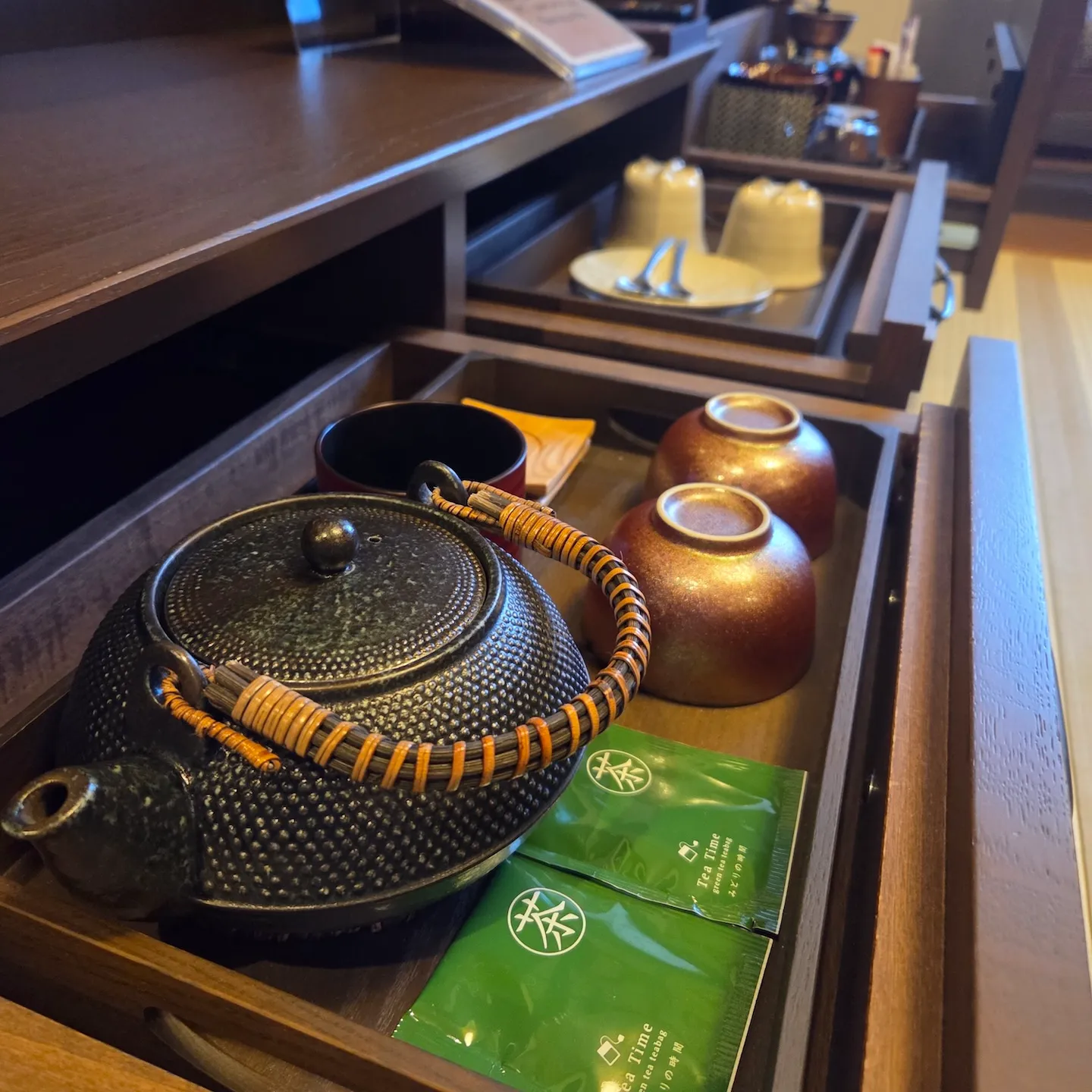
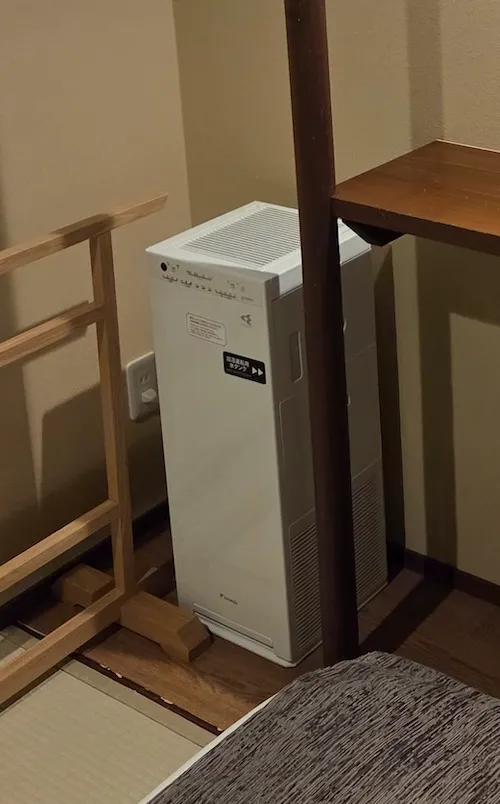
In the center of the living room, there is a two-seater sofa and a coffee table. Across from the sofa is a TV, cleverly hidden inside a cabinet—you can close the doors to completely conceal it when not in use. Below the TV, a storage cabinet holds a traditional tea set, a hand-drip coffee kit, and glass cups. To the right of the TV sits an air purifier with a built-in humidifier.

Jozankei Yuraku Soan Deluxe Twin Room Vanity and Luggage Space
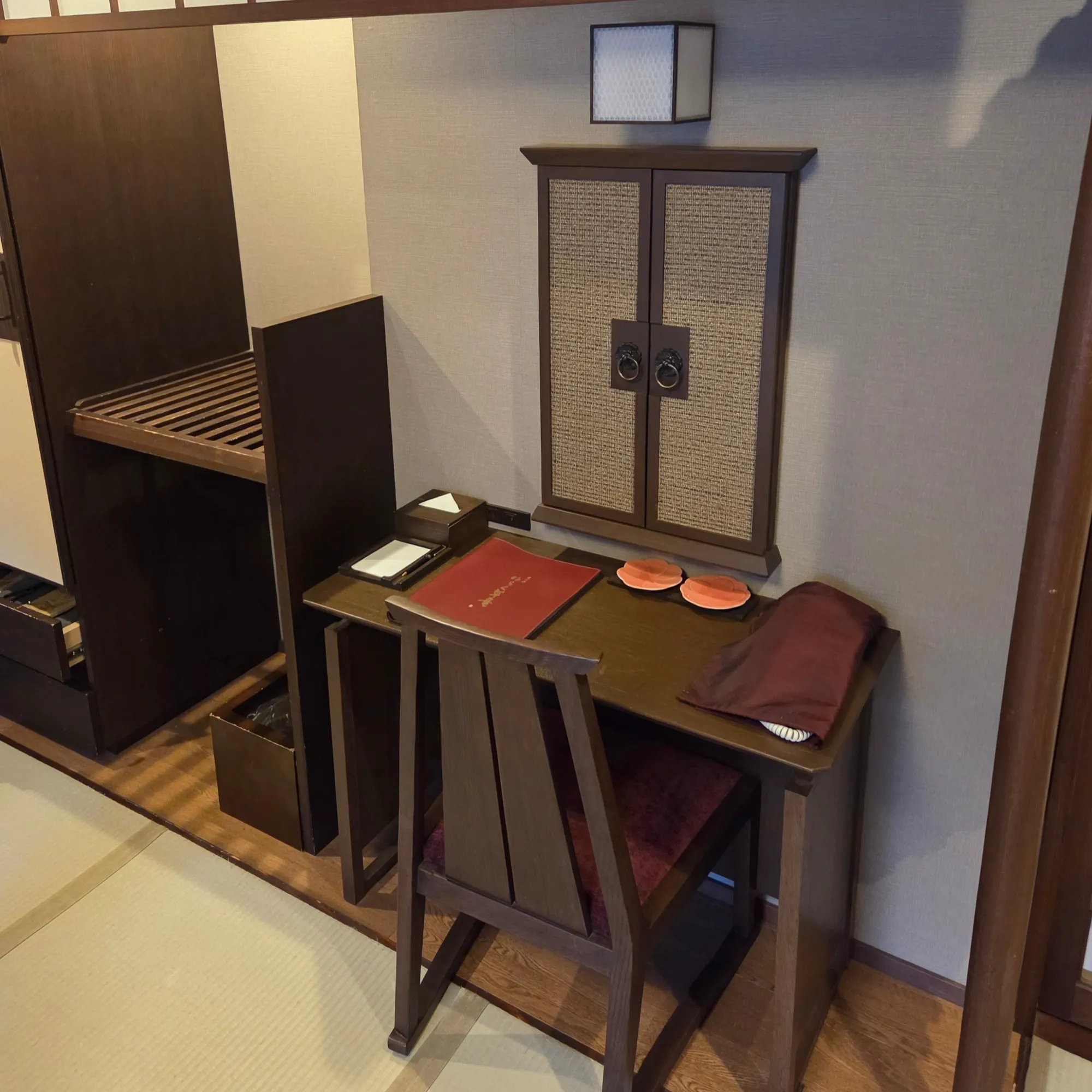
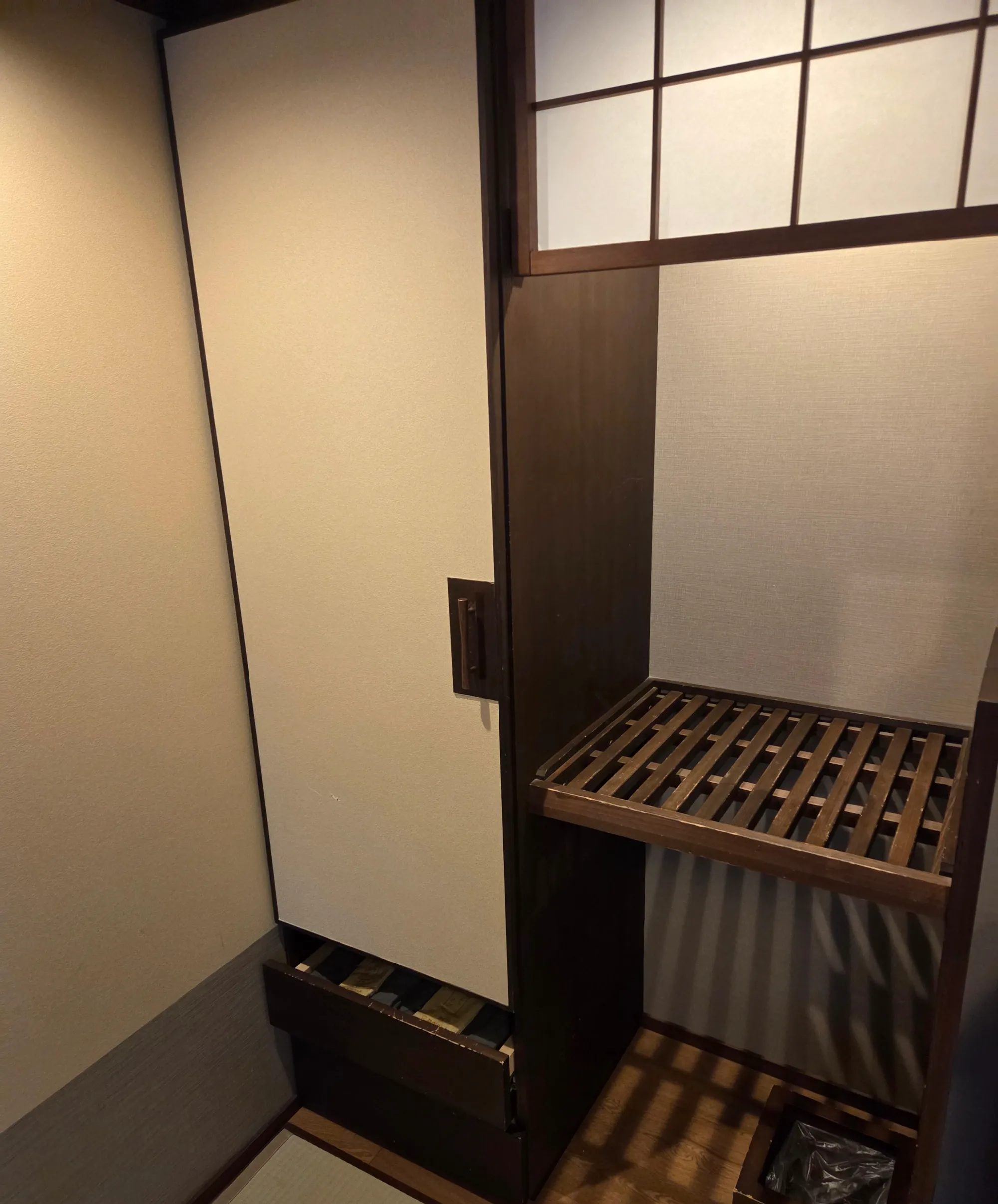
Opposite the living room window is a small area with a closet and a vanity. The vanity on the far right has its mirror concealed within a cabinet, which felt very characteristically Japanese. This vanity is also designed to double as a workspace, complete with a notepad and a telephone—the telephone being covered by a cloth was a nice detail. To the left of the vanity is a luggage space. It didn’t seem large enough to hold a full-size checked suitcase, and even fully opening a carry-on might be tight. However, there are shelves perfect for placing backpacks or handbags. The closet on the far left contains the loungewear and bath baskets. The outer jackets are hung up, while the inner wear and socks are neatly folded in the bottom drawers. The lowest shelf holds emergency slippers, which are strictly for evacuating outside during emergencies—otherwise, you can just walk around in your socks. The closet also houses a safe, but it’s a fun, old-school cabinet style with a physical key rather than a modern electronic one.

Jozankei Yuraku Soan Deluxe Twin Room Bedroom Area
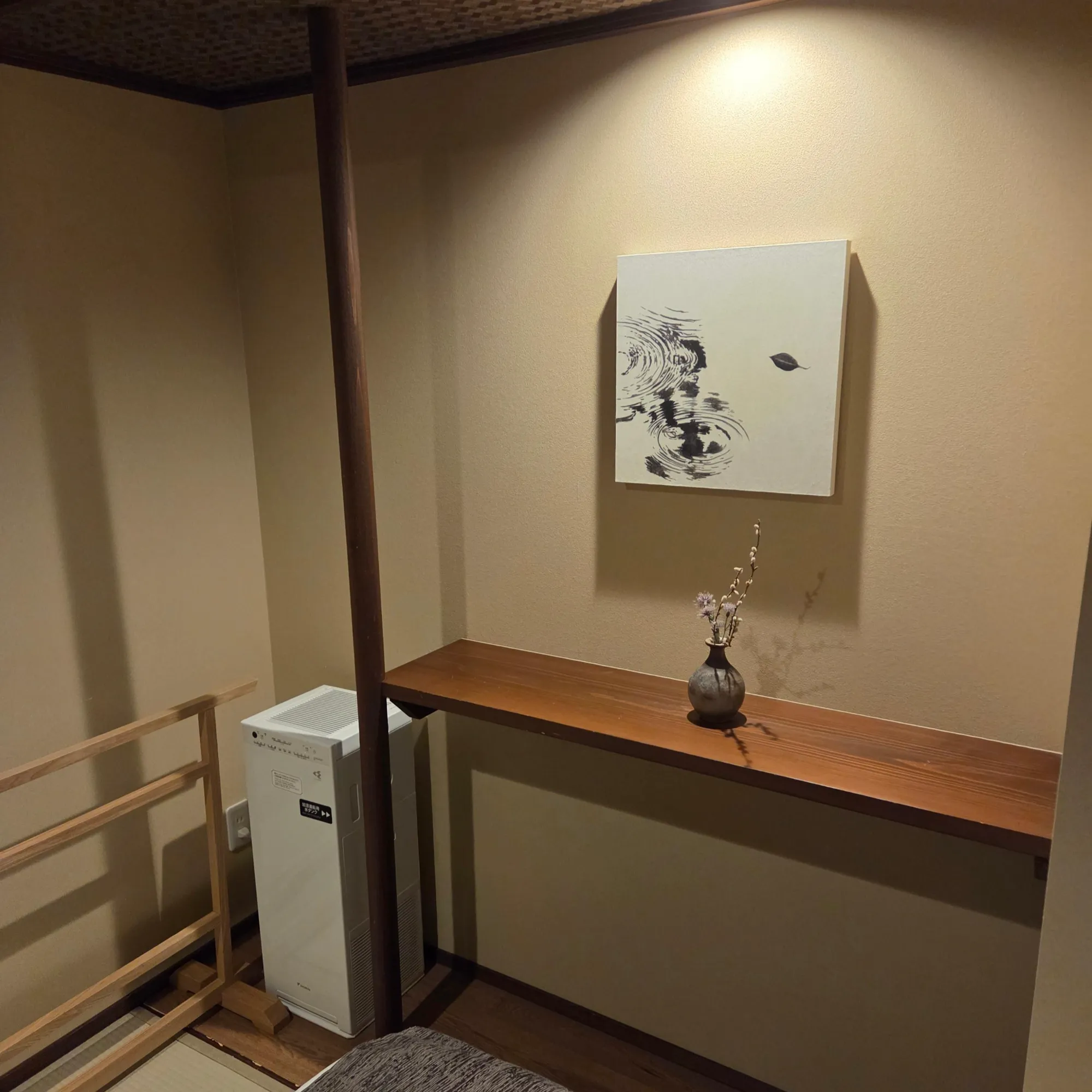
Jozankei Yuraku Soan Deluxe Twin Room Bedroom Area
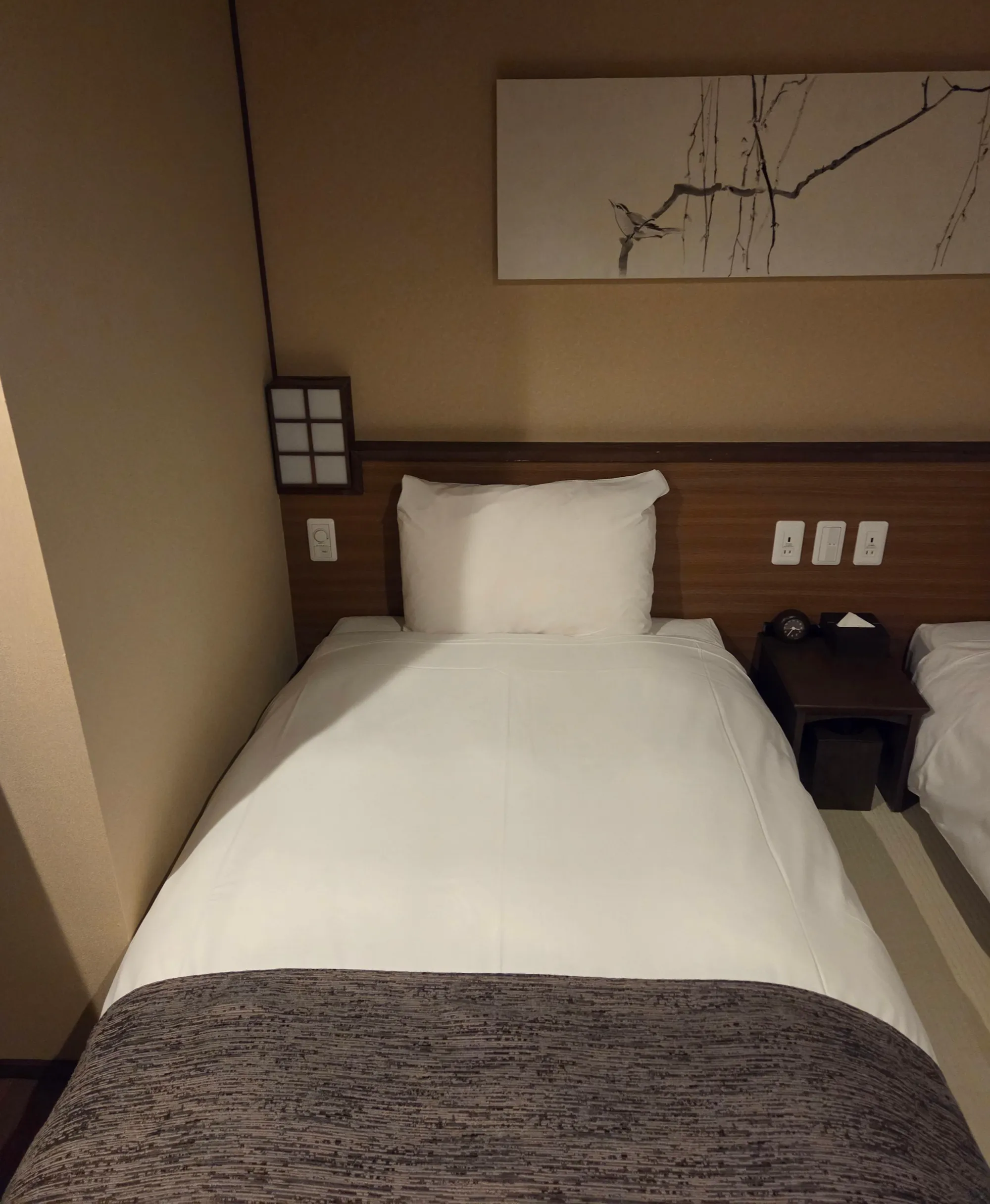
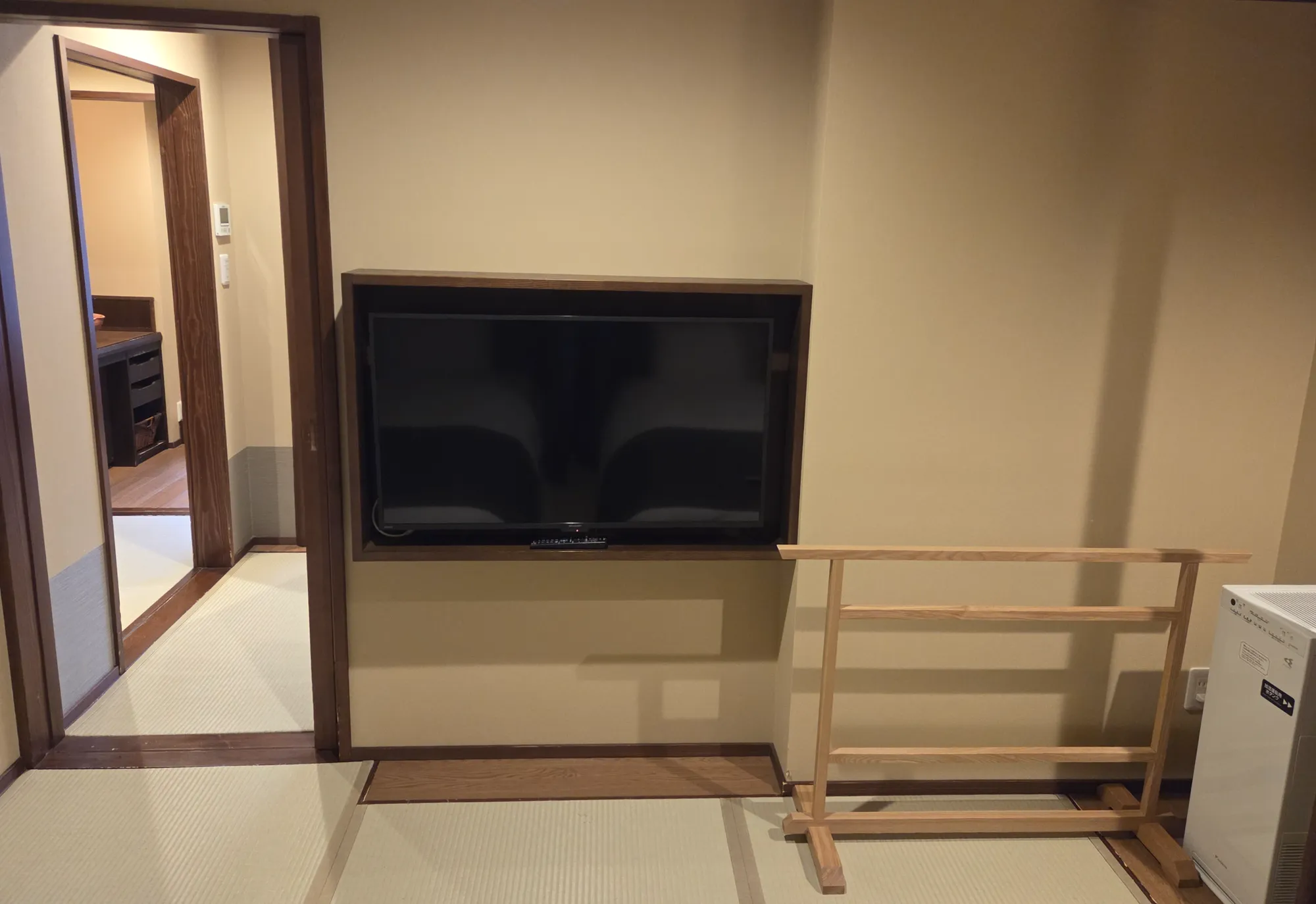
Just to the right of the living room entrance is the bedroom door. The bedroom setup is rather minimalist. It features two single beds, with dimmable reading lights at both ends. The center console between the beds has a power outlet and a USB-A port, allowing you to charge devices without an adapter. A small nightstand holds tissues, a small clock, an emergency flashlight, and a trash can. Opposite the bed is another TV, but just like the one in the living room, it only broadcasts Japanese channels and isn’t a smart TV, so we barely used it. In front of the TV, there is a clothing rack and another air purifier/humidifier combo.
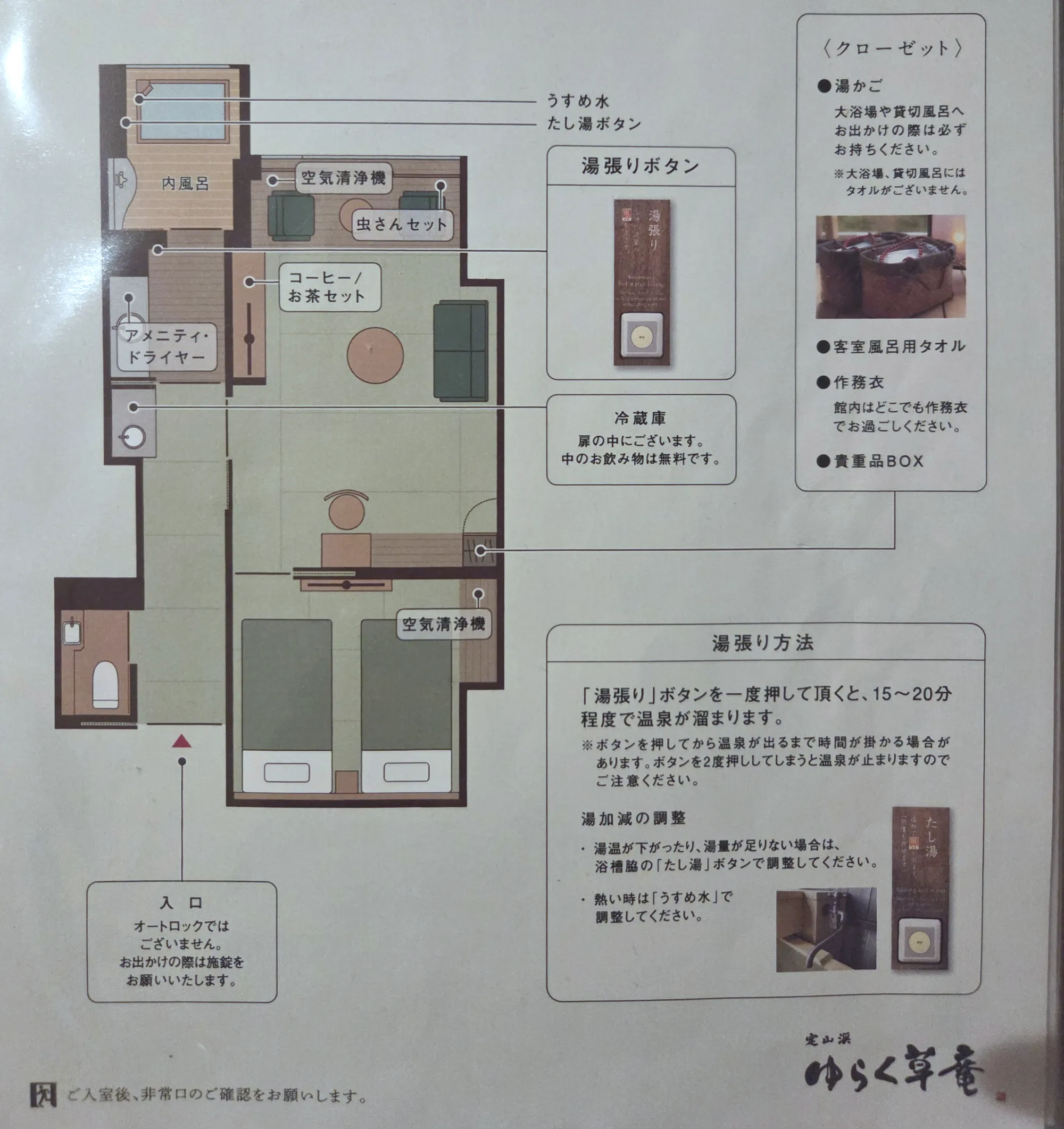
Jozankei Yuraku Soan Deluxe Twin Room Layout and Guide
Jozankei Yuraku Soan Deluxe Twin Room Layout and Guide
Overall, the room at Jozankei Yuraku Soan is spacious and thoughtfully laid out, making it a great place to relax from check-in to check-out. Having a private tub means you can easily enjoy a bath while looking out the window, which is perfect if you prefer to avoid the public baths or if the complimentary private baths are too crowded. It’s also a wonderful spot to sip tea or enjoy a beer while taking in the scenery. The room is predominantly furnished with wood, and despite being a reinforced concrete building, the floors are lined with tatami mats, which effectively eliminate noise from the floor above or neighboring rooms, ensuring a very quiet and peaceful stay.
7. Amenities


Jozankei Yuraku Soan Loungewear
Jozankei Yuraku Soan provides plenty of room amenities. The most prominent is the provided loungewear, which you can wear anywhere inside the hotel during your stay. Large and medium sizes are already pre-stocked in the room. The set includes a top and pants, along with split-toe socks designed to be worn with geta sandals. An outer quilted jacket is also provided—it’s quite warm, perhaps even a bit too warm for indoor use. In addition to the standard loungewear, you can also pick out a yukata of your choice from a selection next to the check-in counter in the 1st-floor lobby. Since quantities are limited, it’s best to grab one early if you want a specific design.
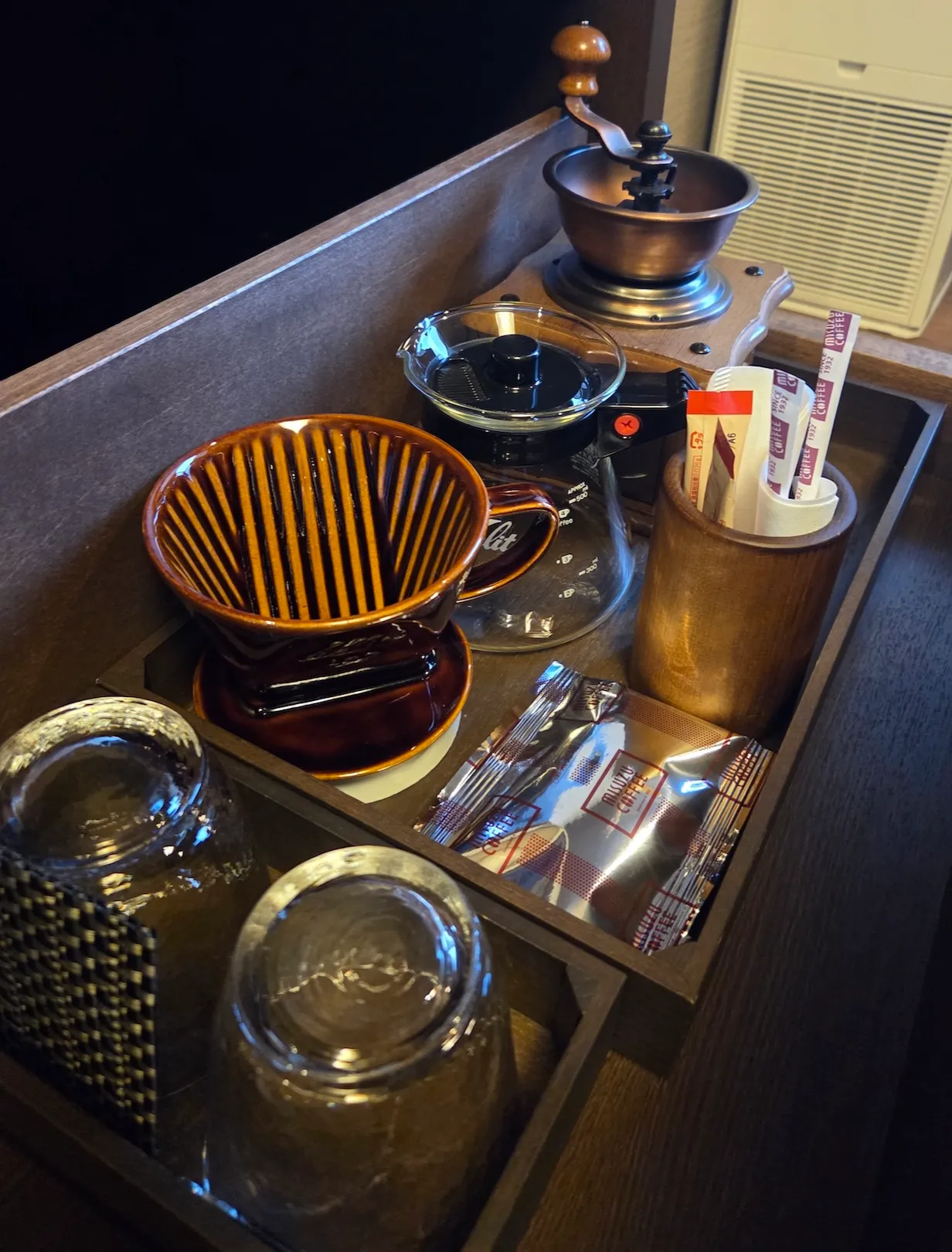
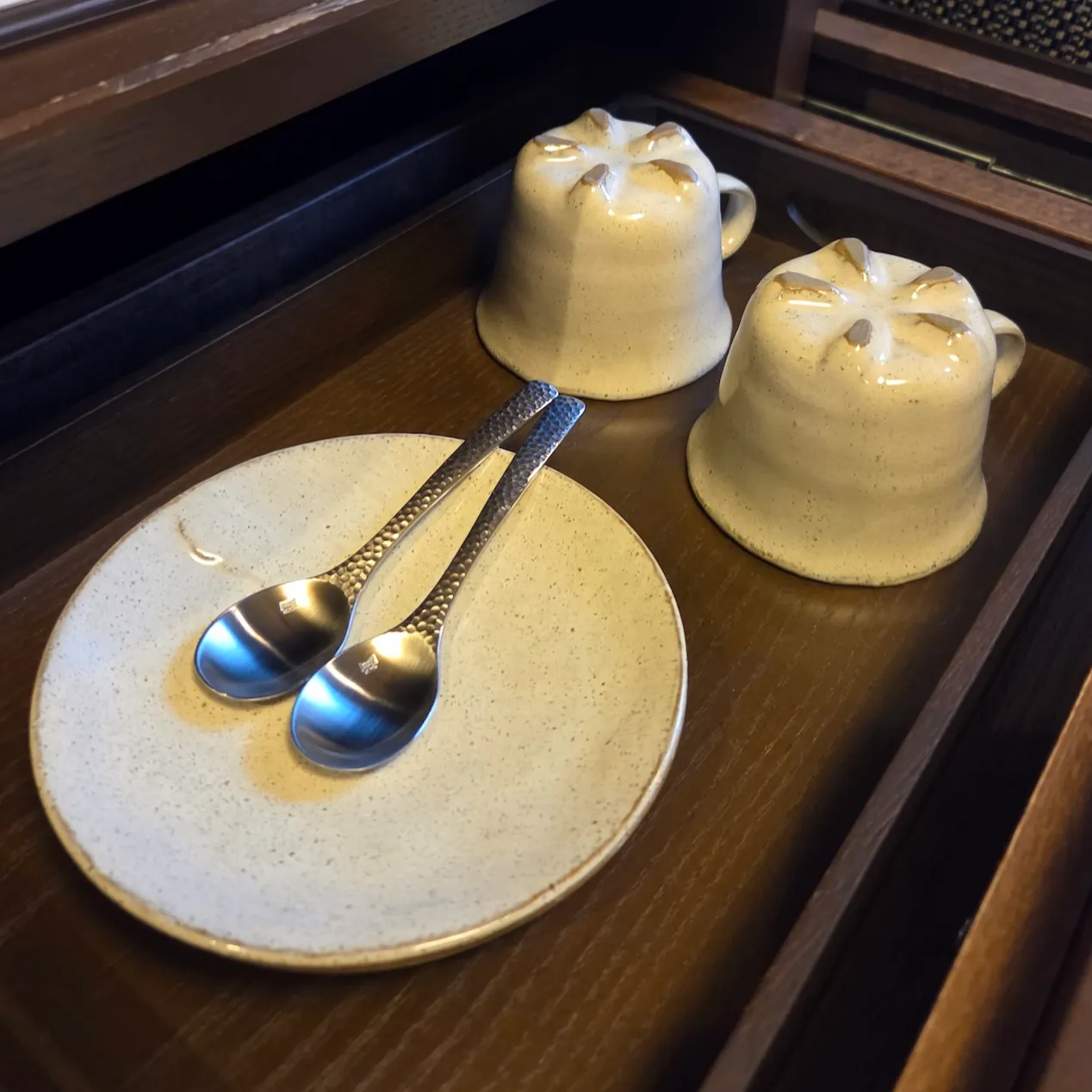
Jozankei Yuraku Soan Deluxe Twin Room Coffee & Tea Set
Two 500ml bottles of water are provided. Since there are water dispensers located throughout the hotel, it’s convenient to keep the bottles and refill them as needed. The room also comes with a tea set and green tea. While it’s a bit disappointing that they aren’t loose leaves, it’s still nice and convenient to enjoy a relaxing cup of green tea. For coffee lovers, there are whole coffee beans, a manual grinder, and a hand-drip set, allowing you to fill the room with the delightful aroma of fresh coffee in the morning. While capsule coffee machines are certainly more convenient, taking the time to manually grind beans and brew coffee fits perfectly with the unhurried vibe of a ryokan.

Jozankei Yuraku Soan Deluxe Twin Room Air Purifier/Humidifier
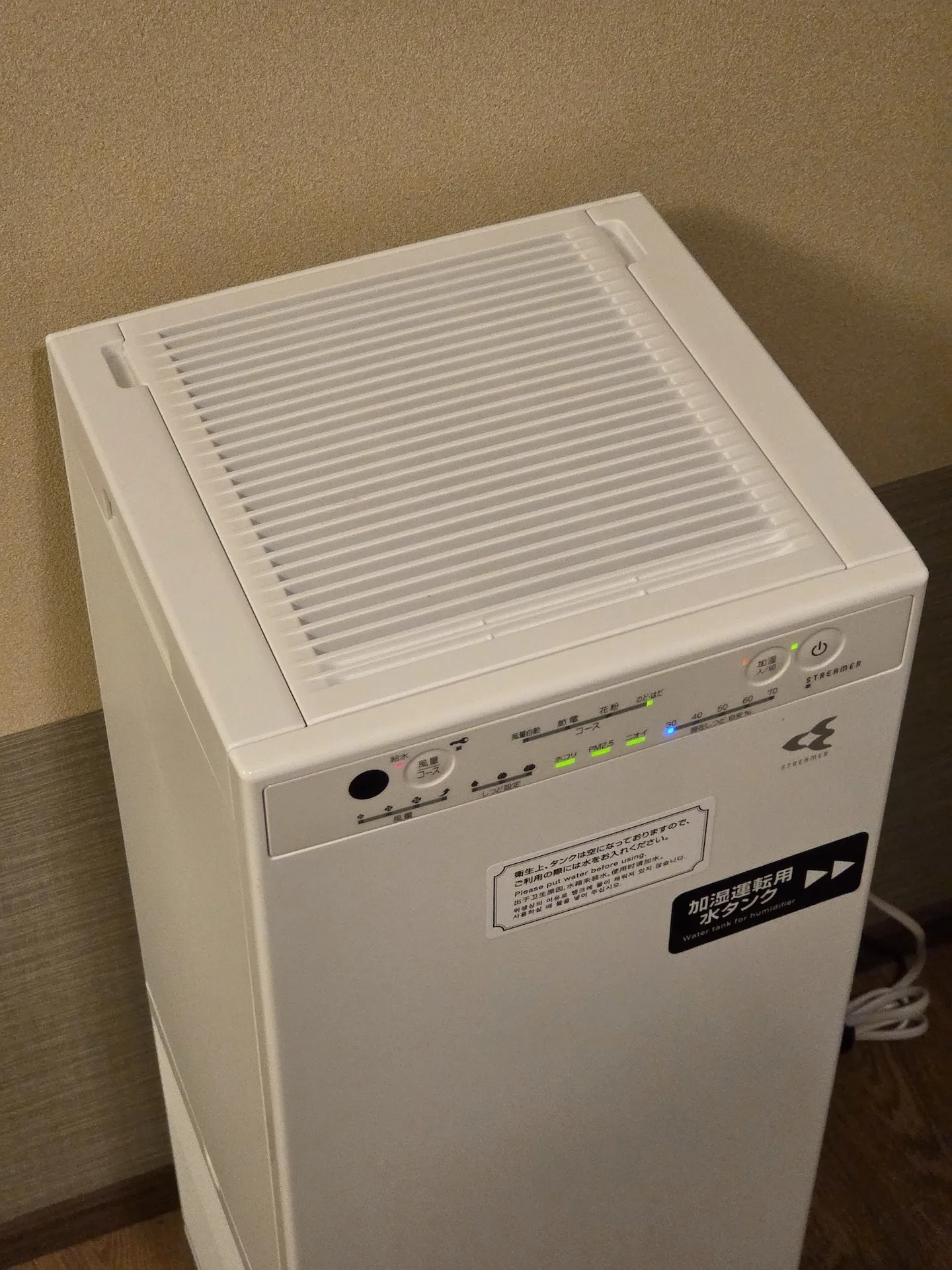
Since the room is heated by forced air, it can get quite dry. Fortunately, there are air purifiers with humidifier functions in both the living room and the bedroom to help control the humidity. For hygiene reasons, their water tanks are empty upon arrival, so you’ll need to fill them yourself. However, even on the lowest setting, they generate a bit of noise, and the indicator lights are quite bright, which might be slightly bothersome for light sleepers.


Jozankei Yuraku Soan Deluxe Twin Room Bath Amenities
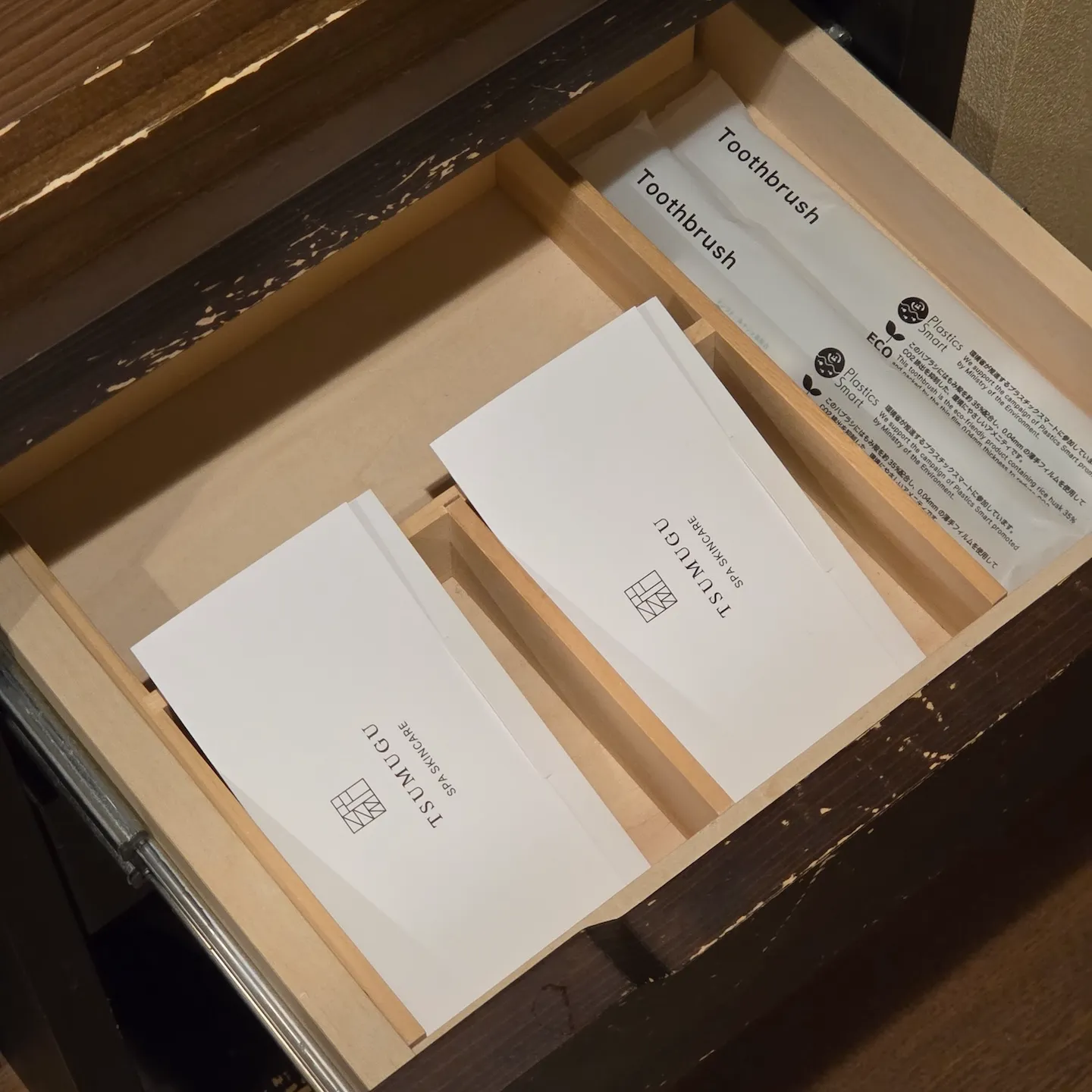
The bathroom amenities provided in the room include essentials like toothbrushes, face wash, and skin creams. However, you can freely grab other disposable items from the amenity bar in the 1st-floor lobby, meaning you have access to almost everything you need—cotton pads, cotton swabs, hair ties, and combs—free of charge. The public bath is also fully stocked with basic amenities, so I never felt lacking. The in-room shower is equipped with shampoo, conditioner, and body wash, so showering in the room was hassle-free.
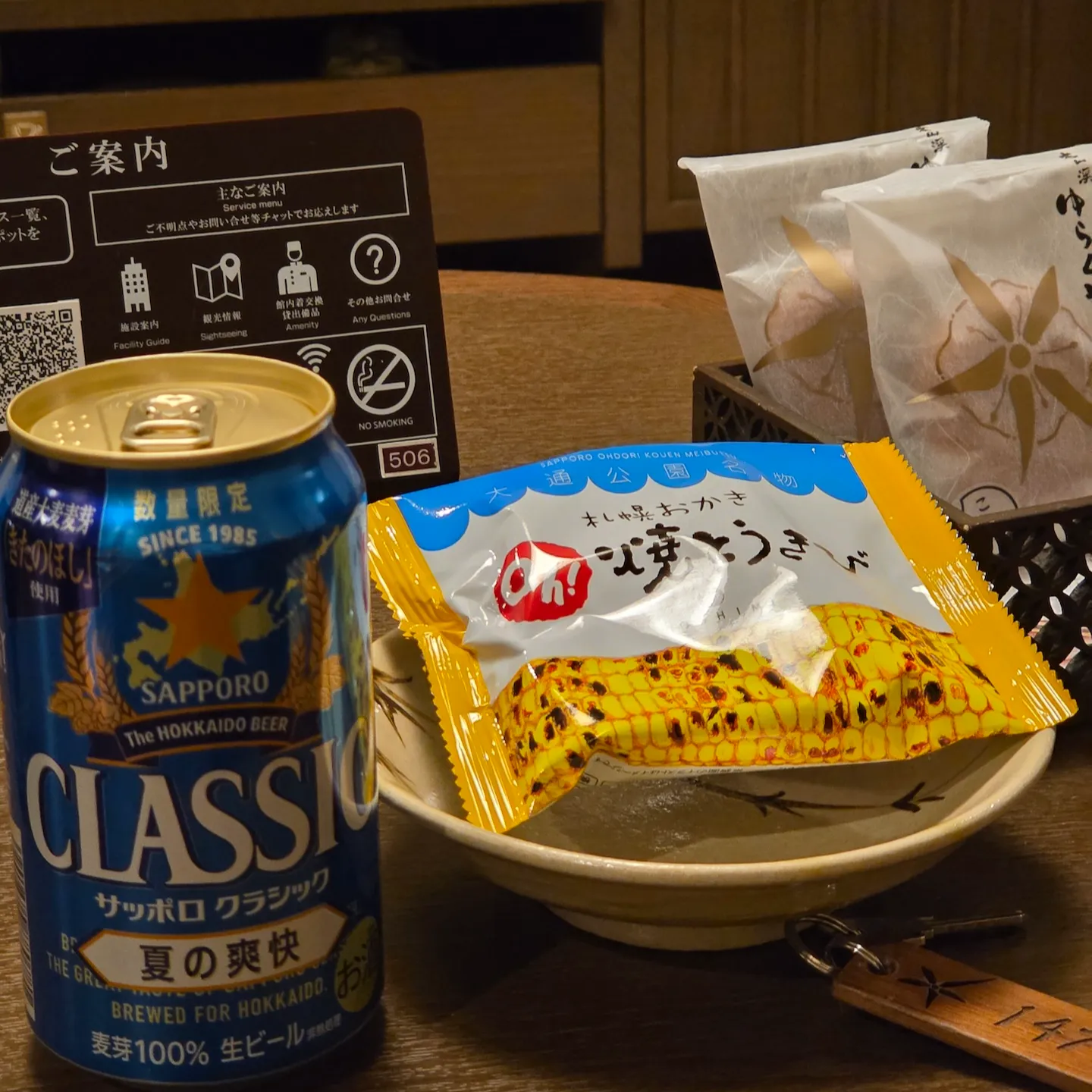
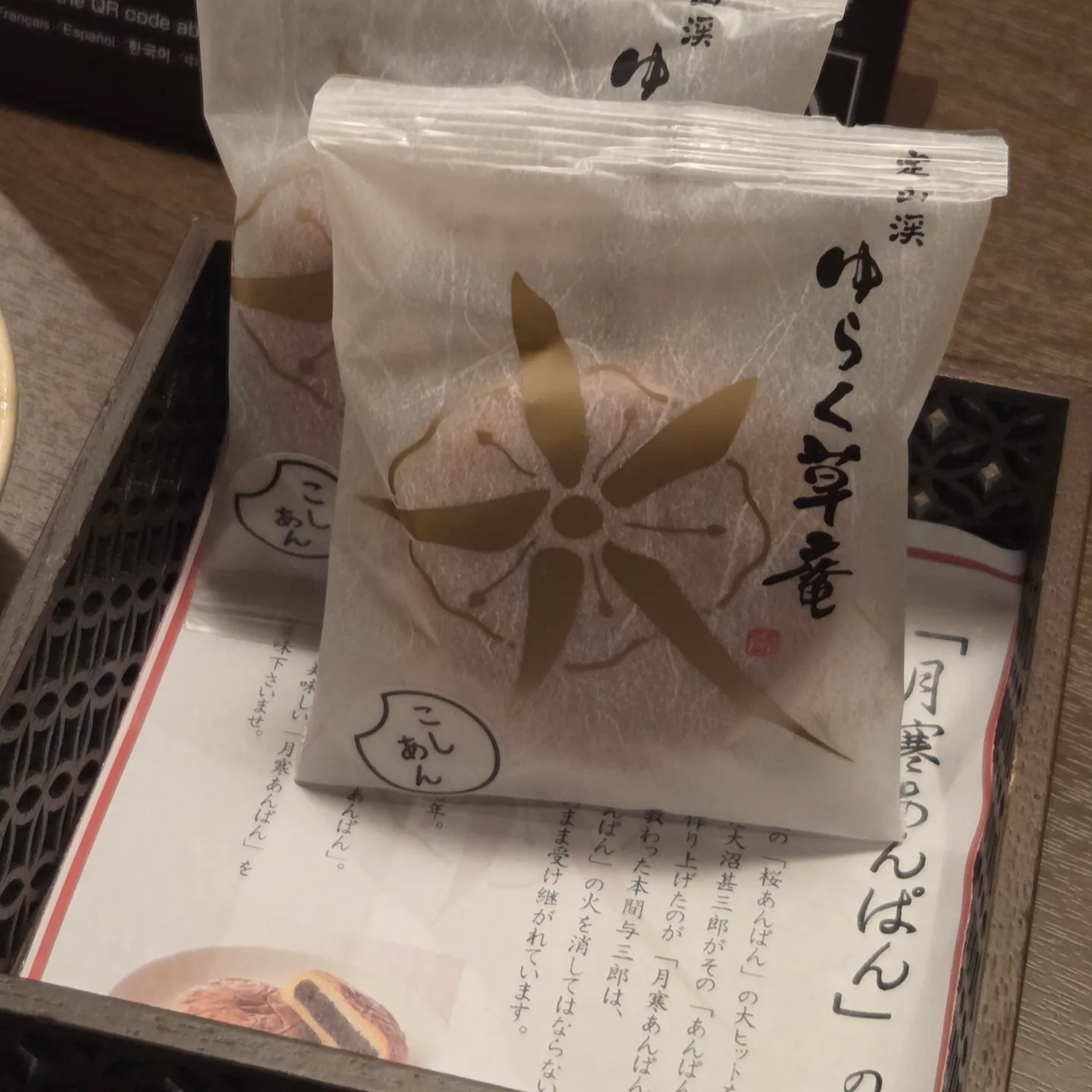
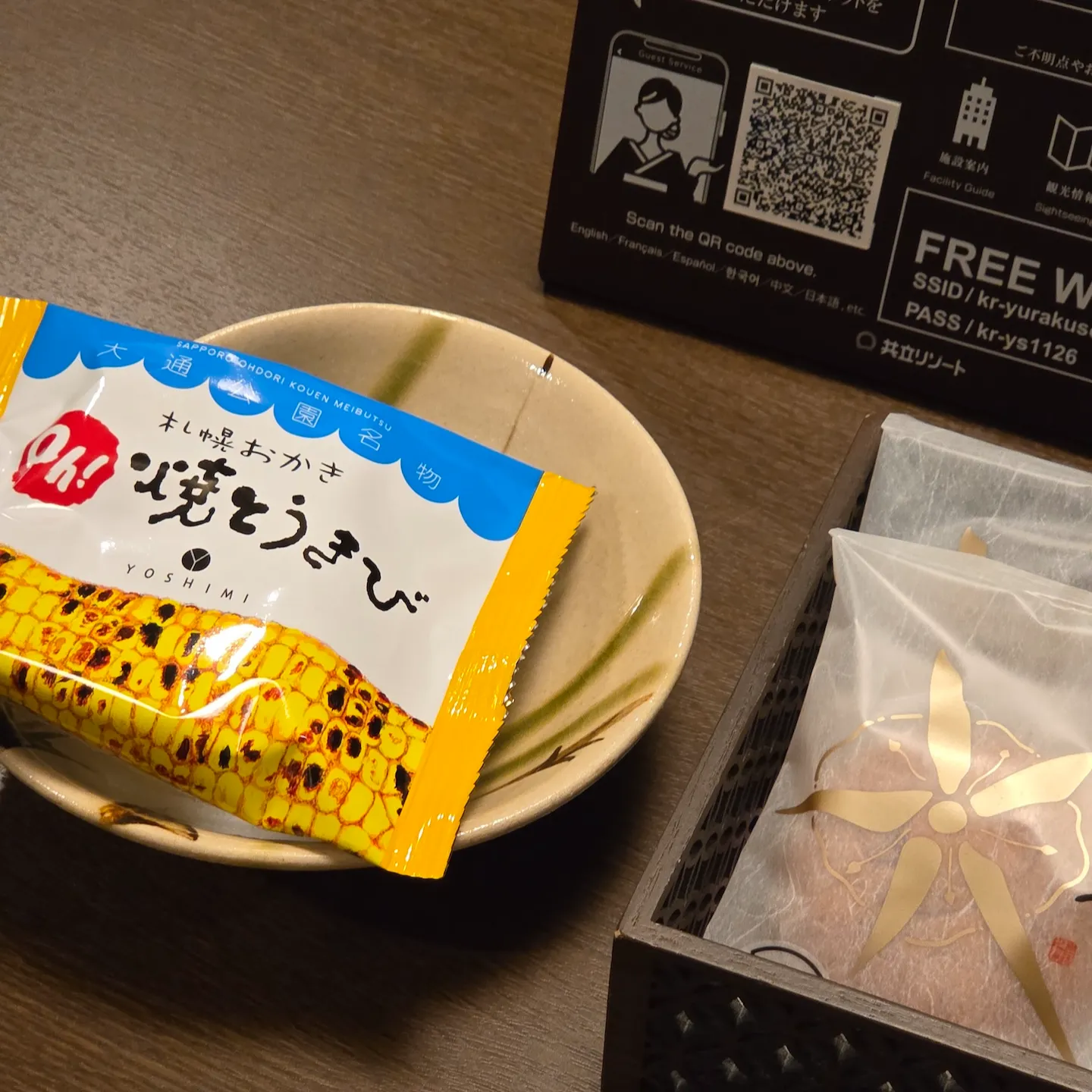
Jozankei Yuraku Soan Deluxe Twin Room Free Snacks
Other complimentary snacks in the room included a famous Hokkaido corn snack and two monaka (wafer cakes filled with sweet bean paste). As expected, the corn snack was delicious, and the subtle sweetness of the monaka was quite memorable.

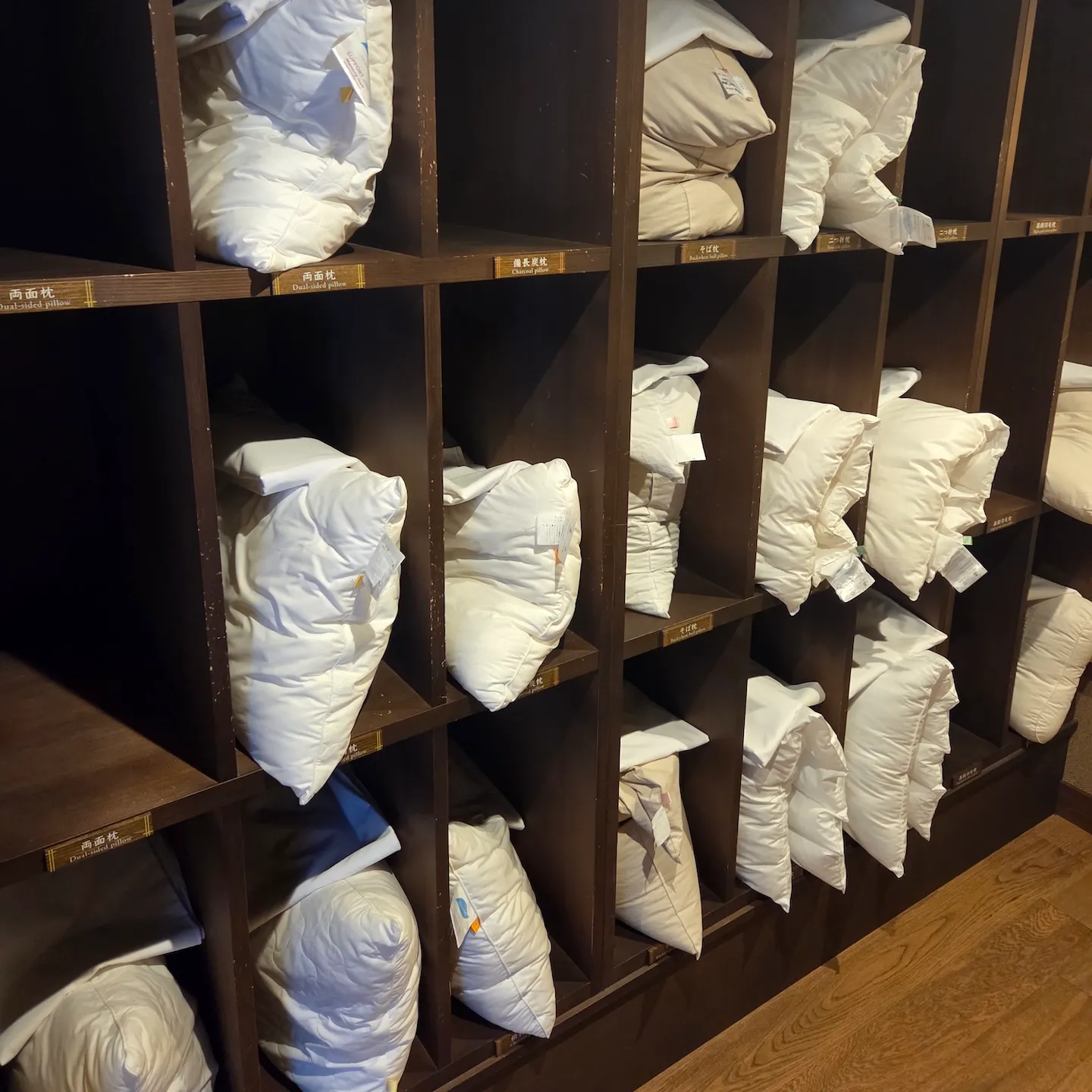
Jozankei Yuraku Soan Pillow Station
Next to the elevators on each floor, there is a pillow station offering various types of pillows, allowing you to grab a replacement if the standard ones in the room don’t suit you. However, since they are stocked in limited quantities, it’s best to pick your preferred pillow right after checking in.
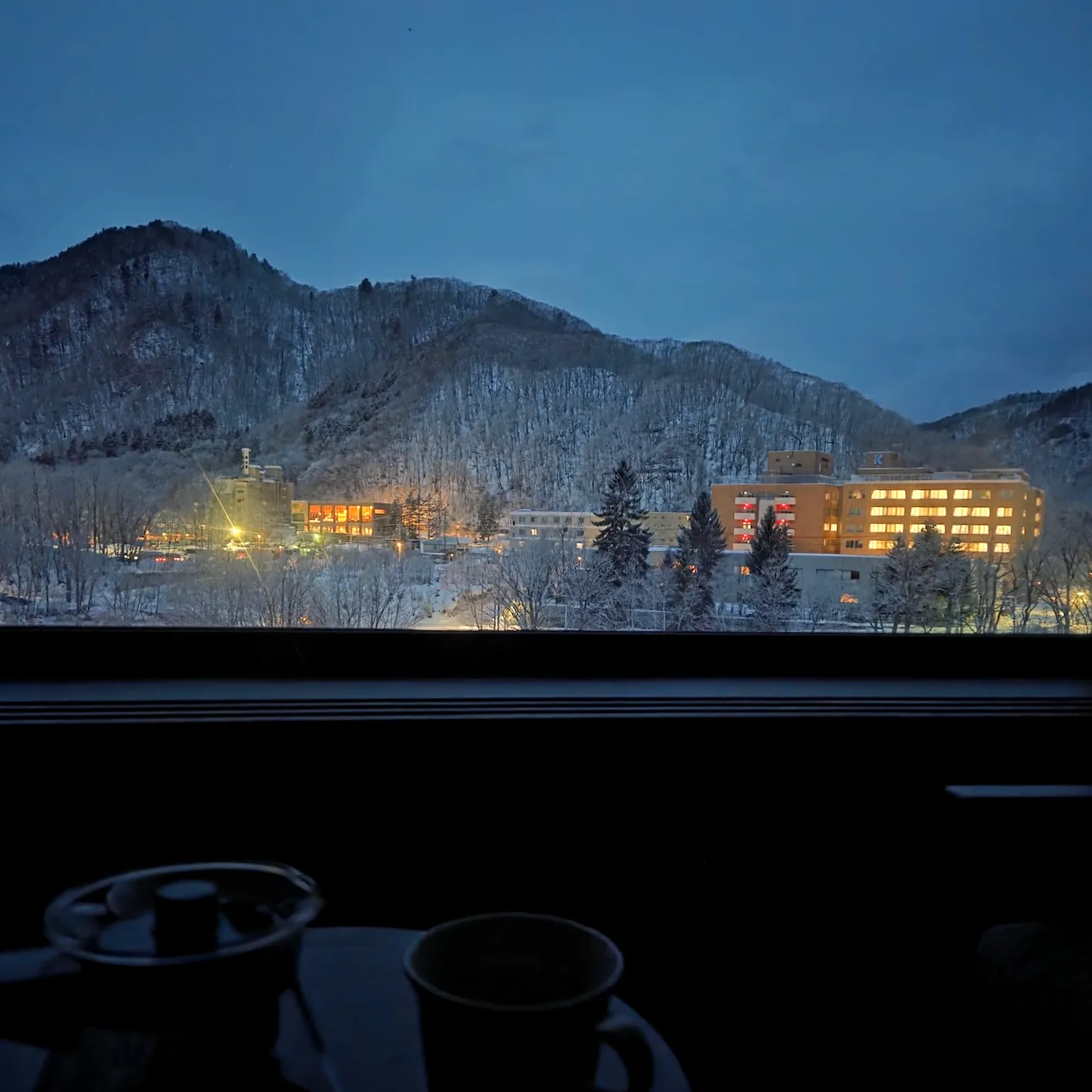
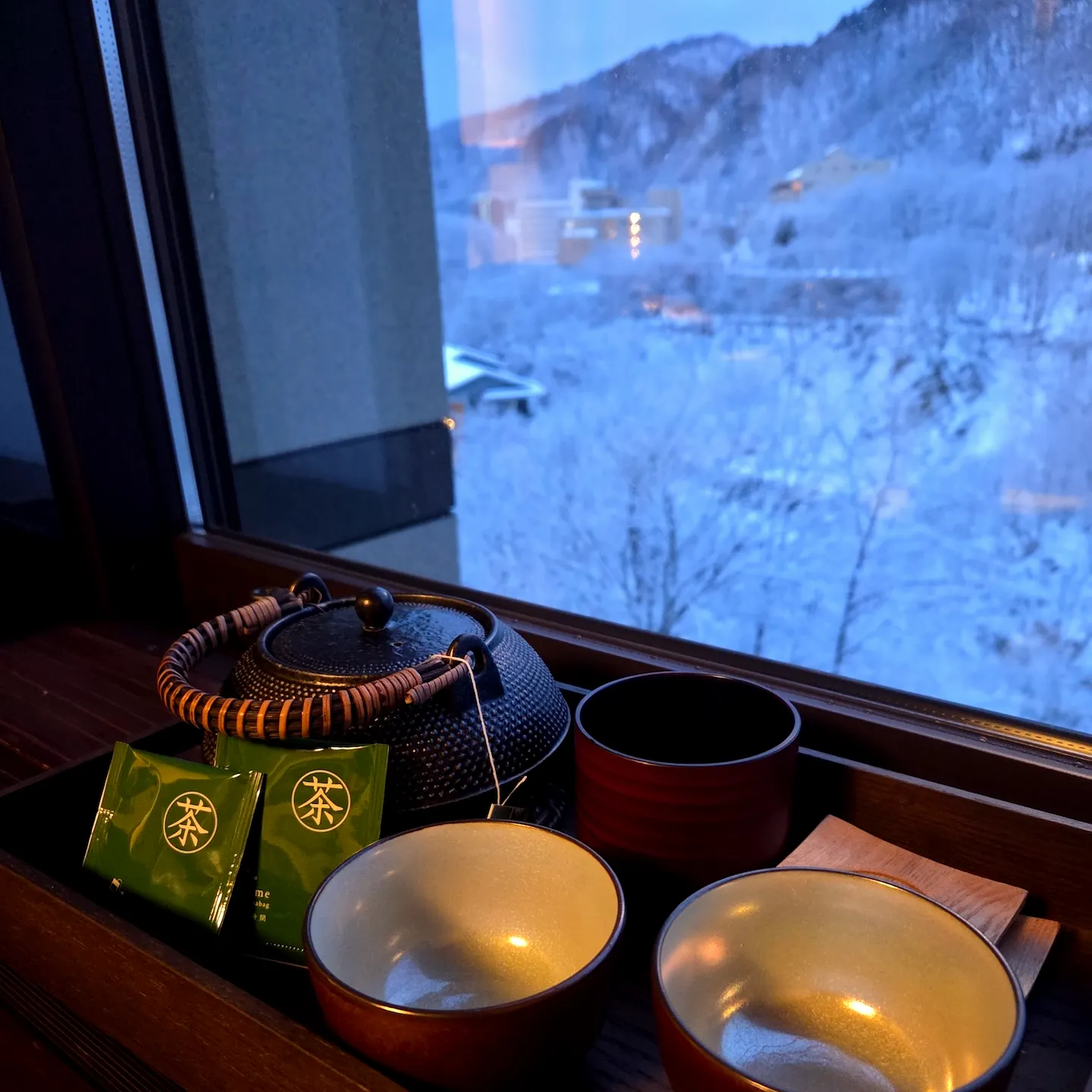
Drinking Tea in Jozankei Yuraku Soan Deluxe Twin Room
Jozankei Yuraku Soan is so well-equipped that you could practically show up empty-handed and not lack anything. Because of this, I recommend packing as light as possible if you plan to stay here.
8. Food & Beverage
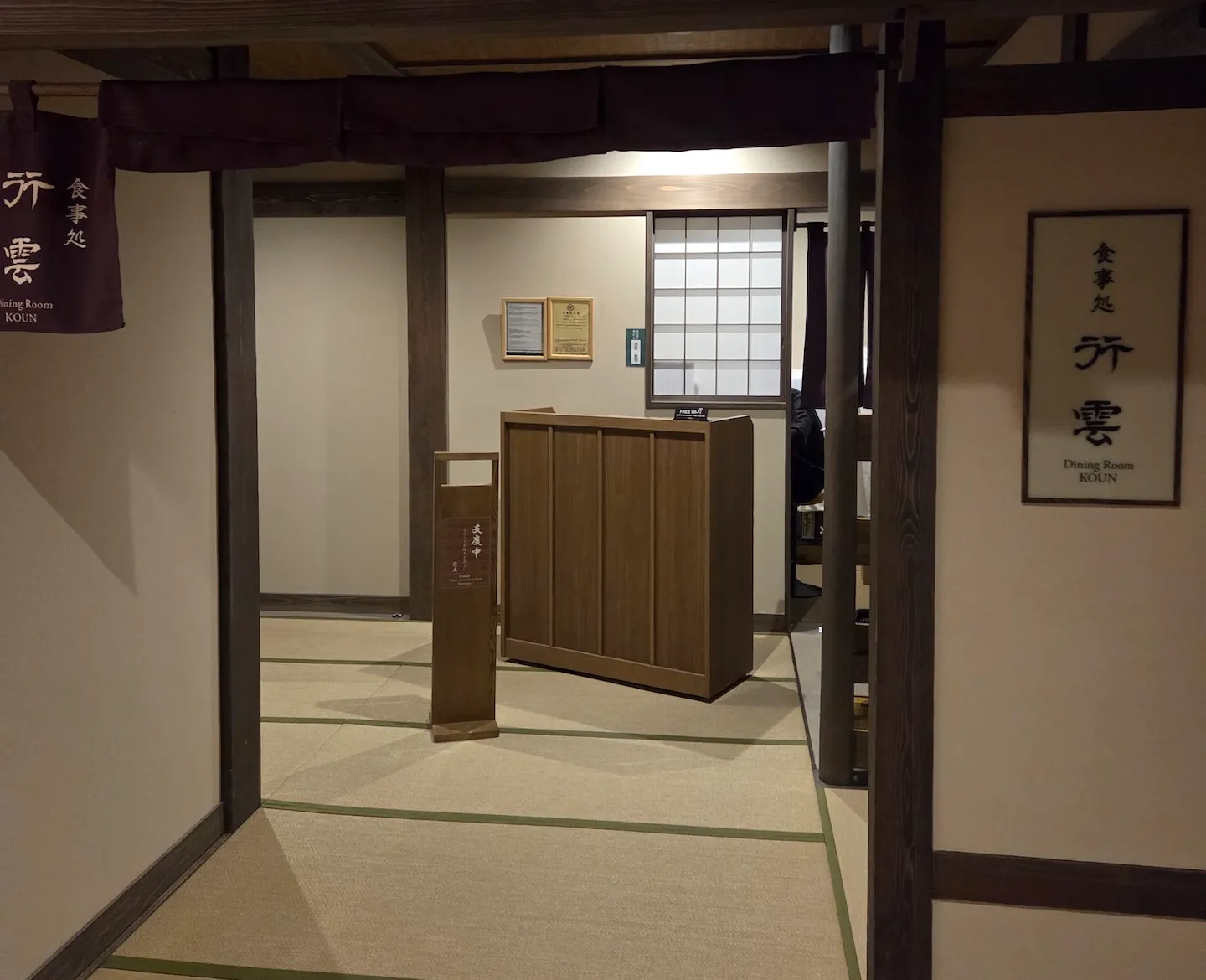
Jozankei Yuraku Soan Restaurant Entrance
Jozankei Yuraku Soan Restaurant Entrance
I booked a half-board plan, so I had my dinner at Yuraku Soan. I assume most guests staying here book similar packages that include both dinner and breakfast. There aren’t many dining options in Jozankei, so unless you just want a light bite, eating dinner at the ryokan is practically the most convenient option.

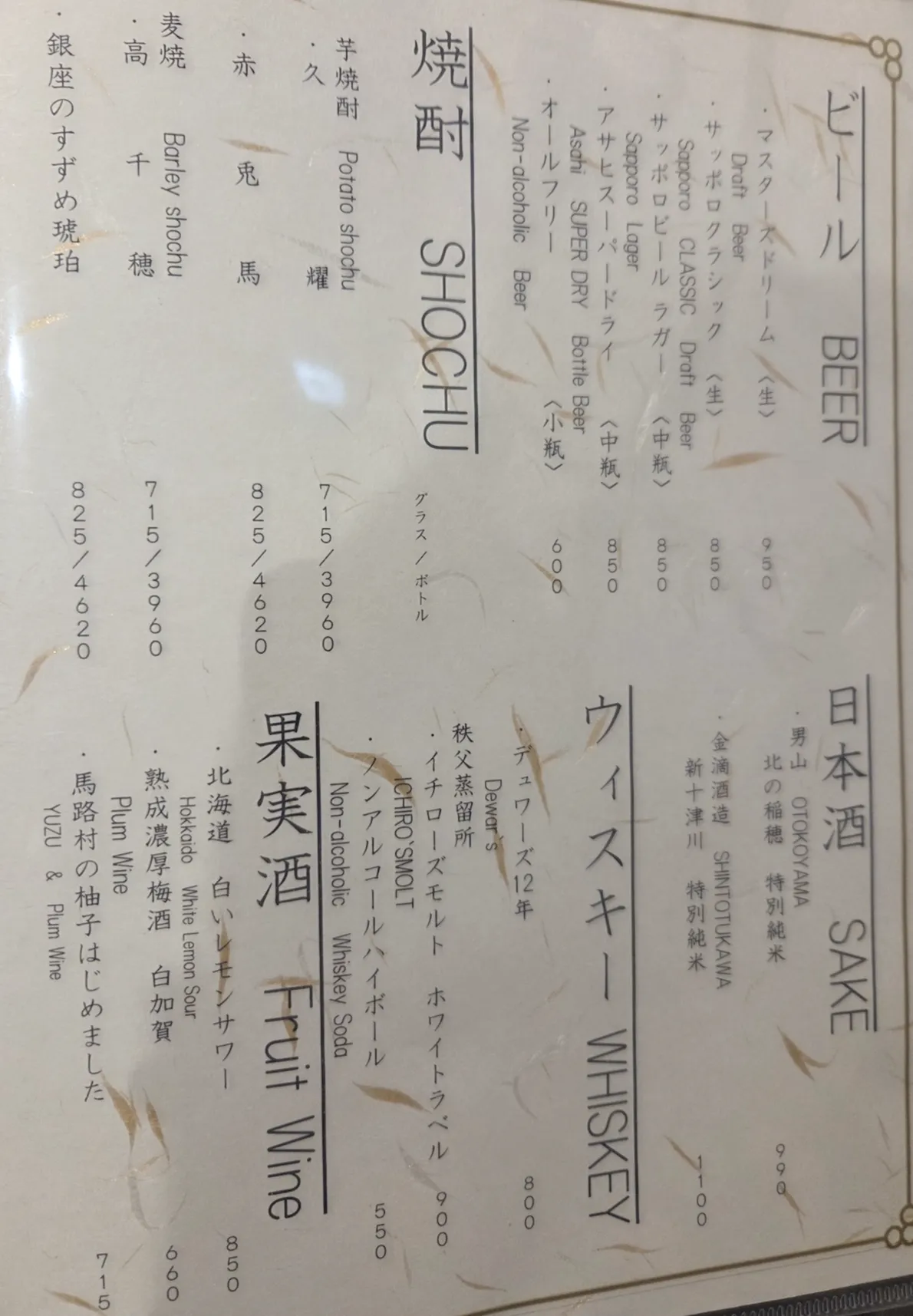
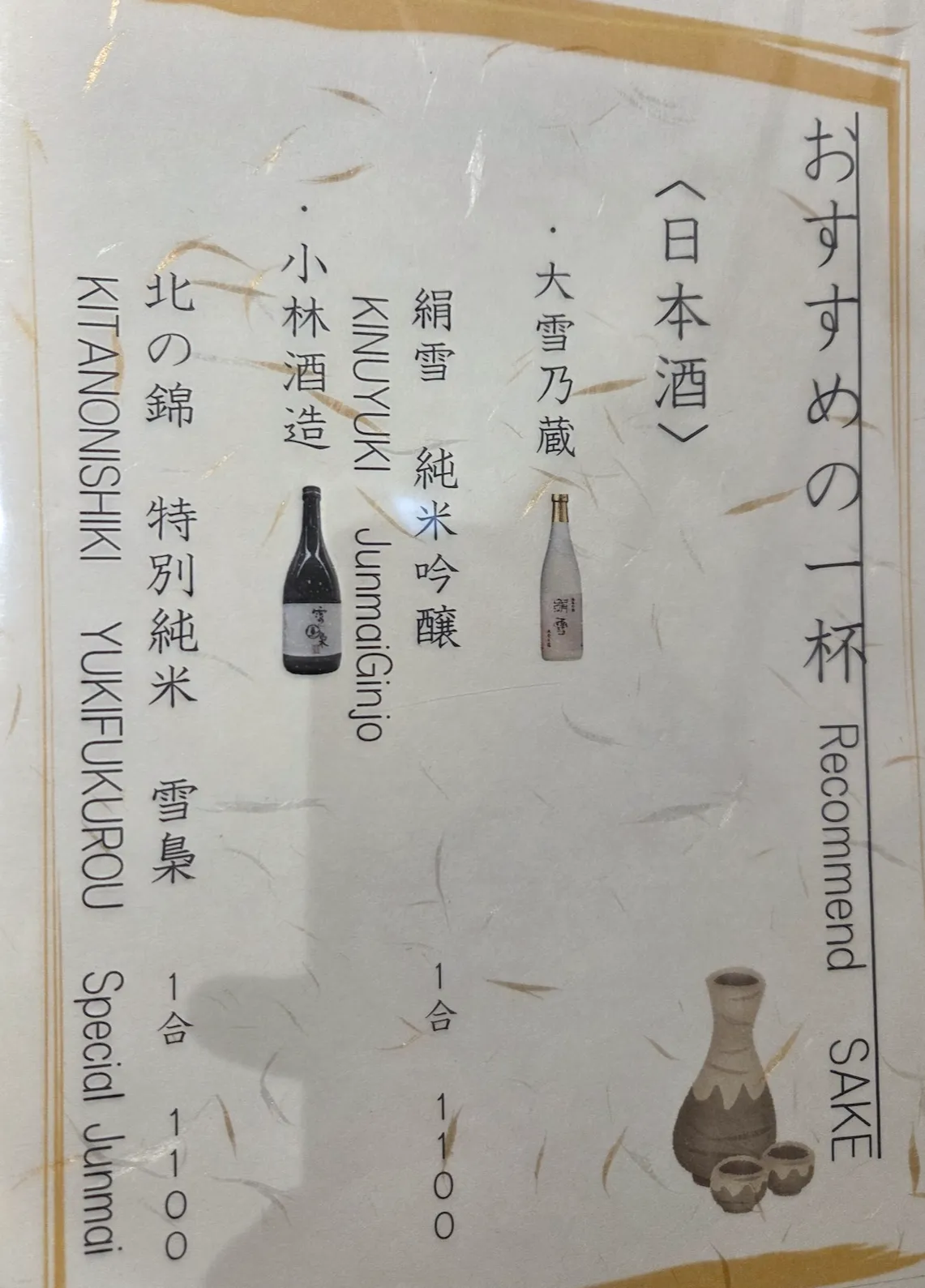
Jozankei Yuraku Soan Dinner Paid Beverage Menu
Dinner at Jozankei Yuraku Soan is divided into two seatings: the first seating at 5:30 PM and the second at 7:45 PM. I chose the second seating. Because the meal dragged on, I didn’t finish until well past 9:30 PM. And that was only because I rushed them to bring out dessert; otherwise, it would have easily taken a full two hours. Expect dinner to take around two hours, and if you don’t usually eat late, I highly recommend opting for the first seating.
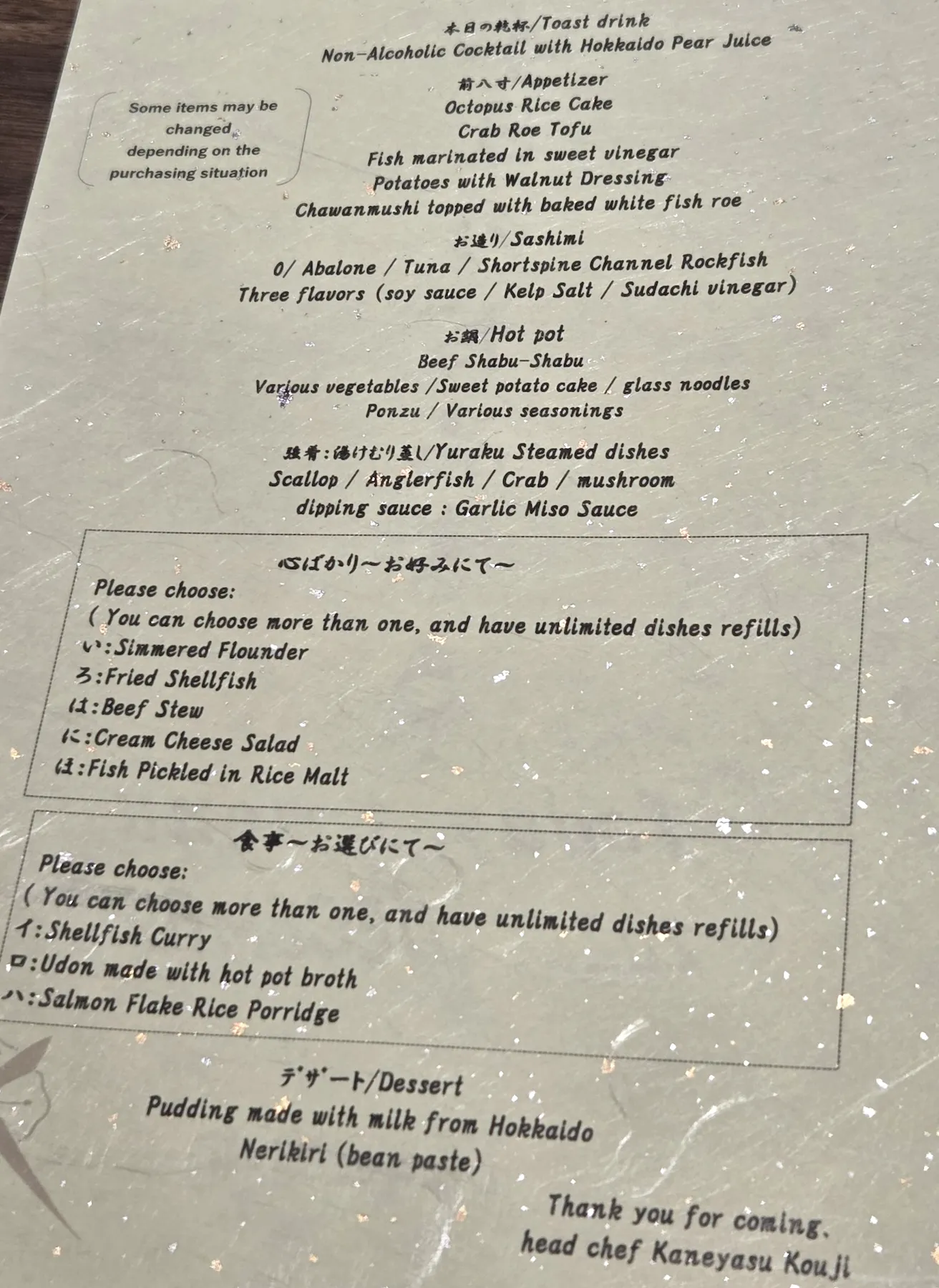

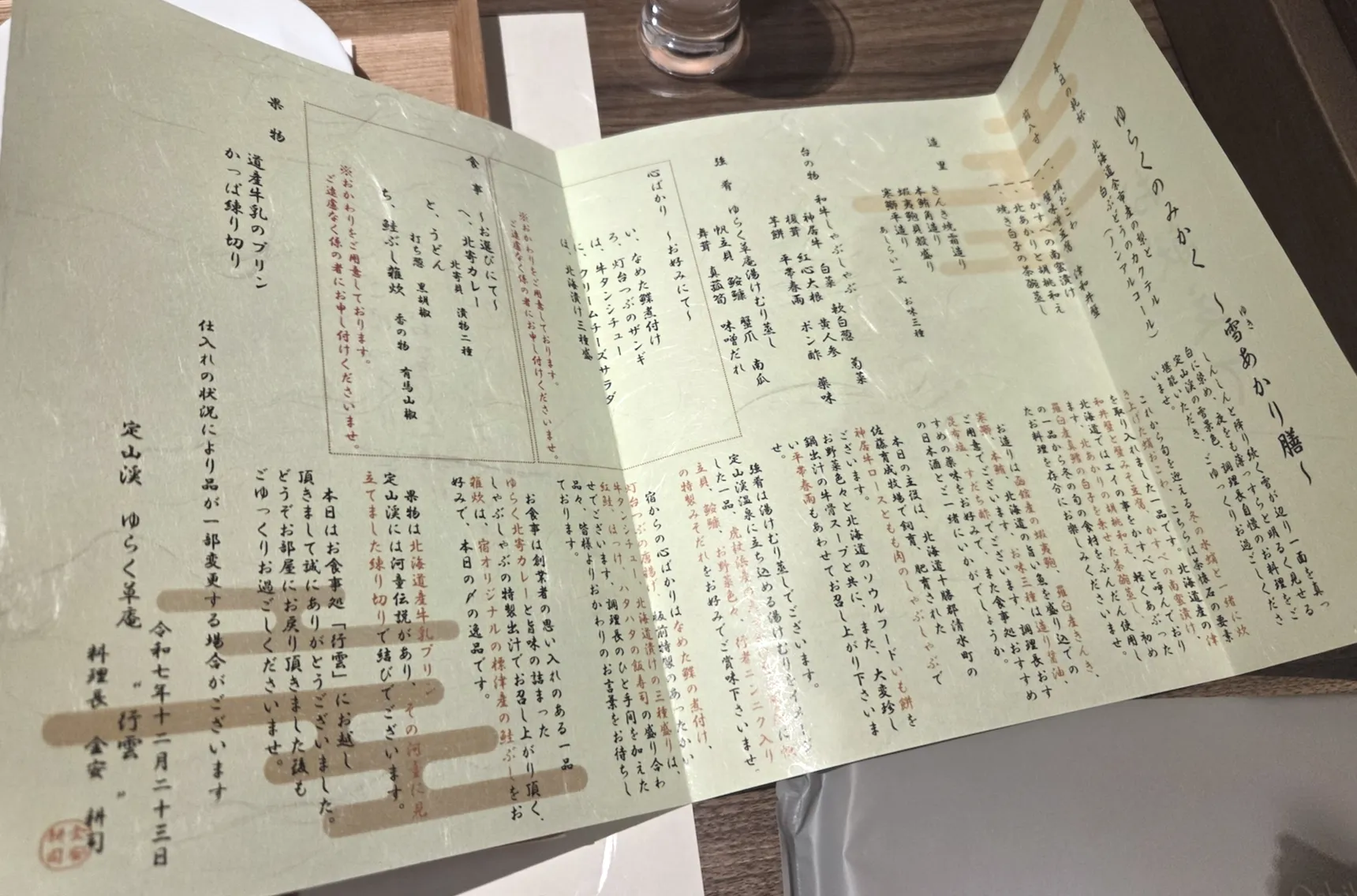
Jozankei Yuraku Soan Dinner Menu
Dinner at Jozankei Yuraku Soan is served as kaiseki—a traditional multi-course Japanese dinner designed to artfully highlight seasonal ingredients. I knew beforehand that reviews of Yuraku Soan’s dinner were somewhat mixed, with some finding it decent and others disappointed, and surprisingly few glowing reviews among Korean travelers. While I haven’t been to countless ryokans, based on the four or five I have visited, I went into this dinner with the intention of figuring out why the culinary ratings for Yuraku Soan aren’t particularly high.
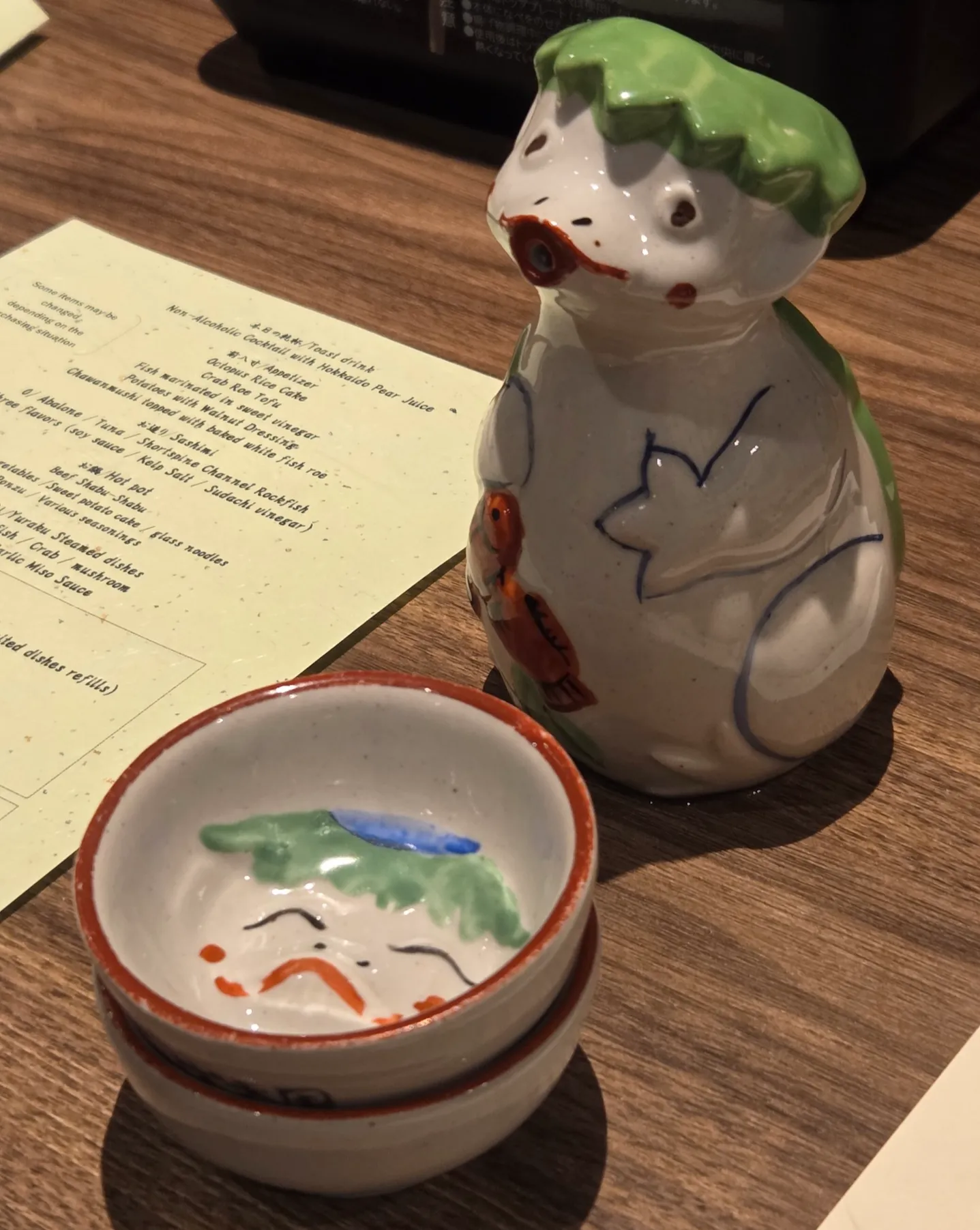
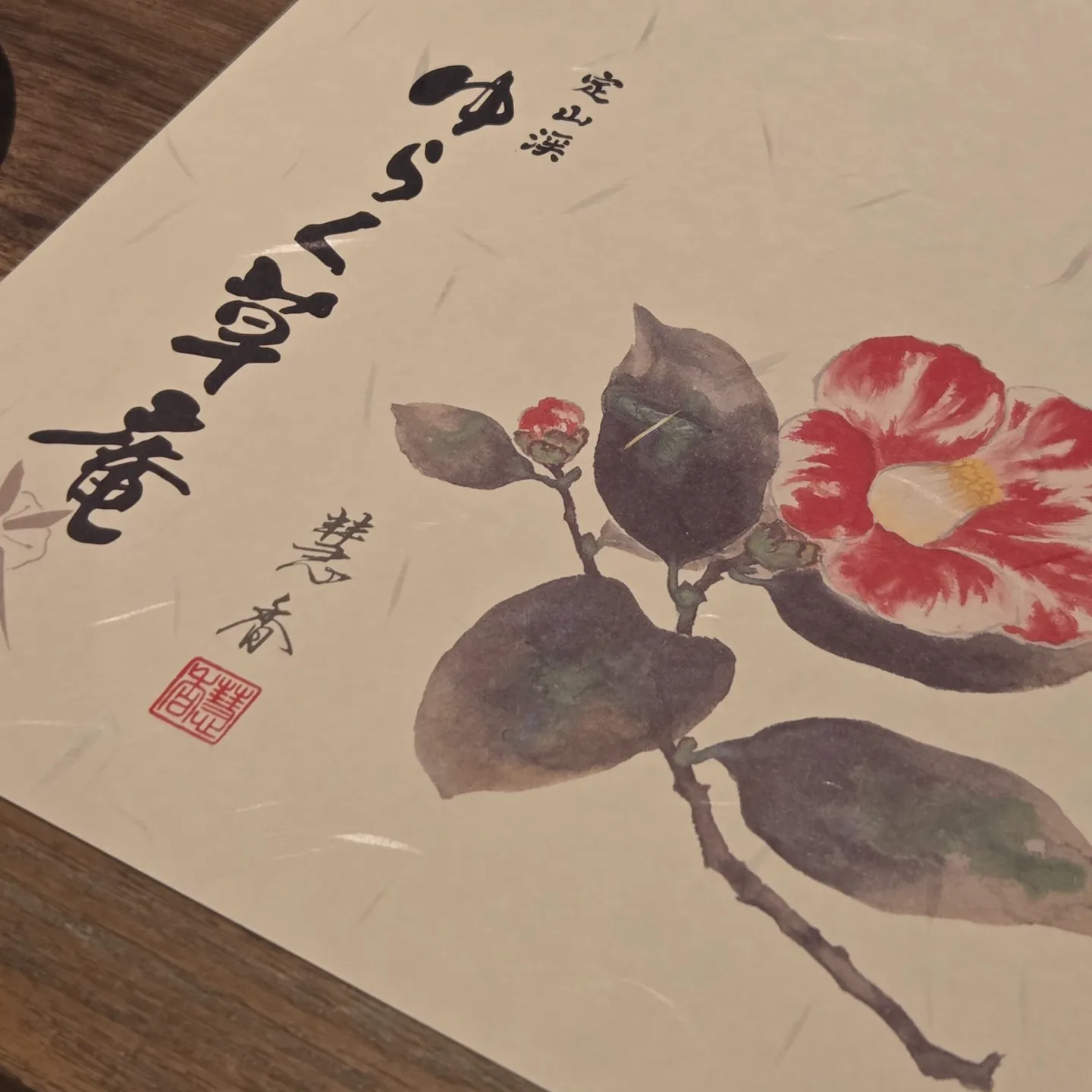
Jozankei Yuraku Soan Dinner Sake Cups and Menu
The dinner at Jozankei Yuraku Soan consists of eight courses. It starts with an aperitif, followed by five different appetizers. Next comes seasonal sashimi, a hot hotpot dish, and a steamed dish. After that, you are served a choice of entrees and rice dishes. You can select multiple items from this section, and refills are available. The meal concludes with dessert. Alcoholic beverages are not included in the standard dinner and must be ordered separately from a drink menu. Note that both Japanese and English menus are provided, but the English menu offers much simpler descriptions and occasional translation errors. (For example, in the sashimi section, the name of the first fish was bizarrely misspelled as just “0”.)
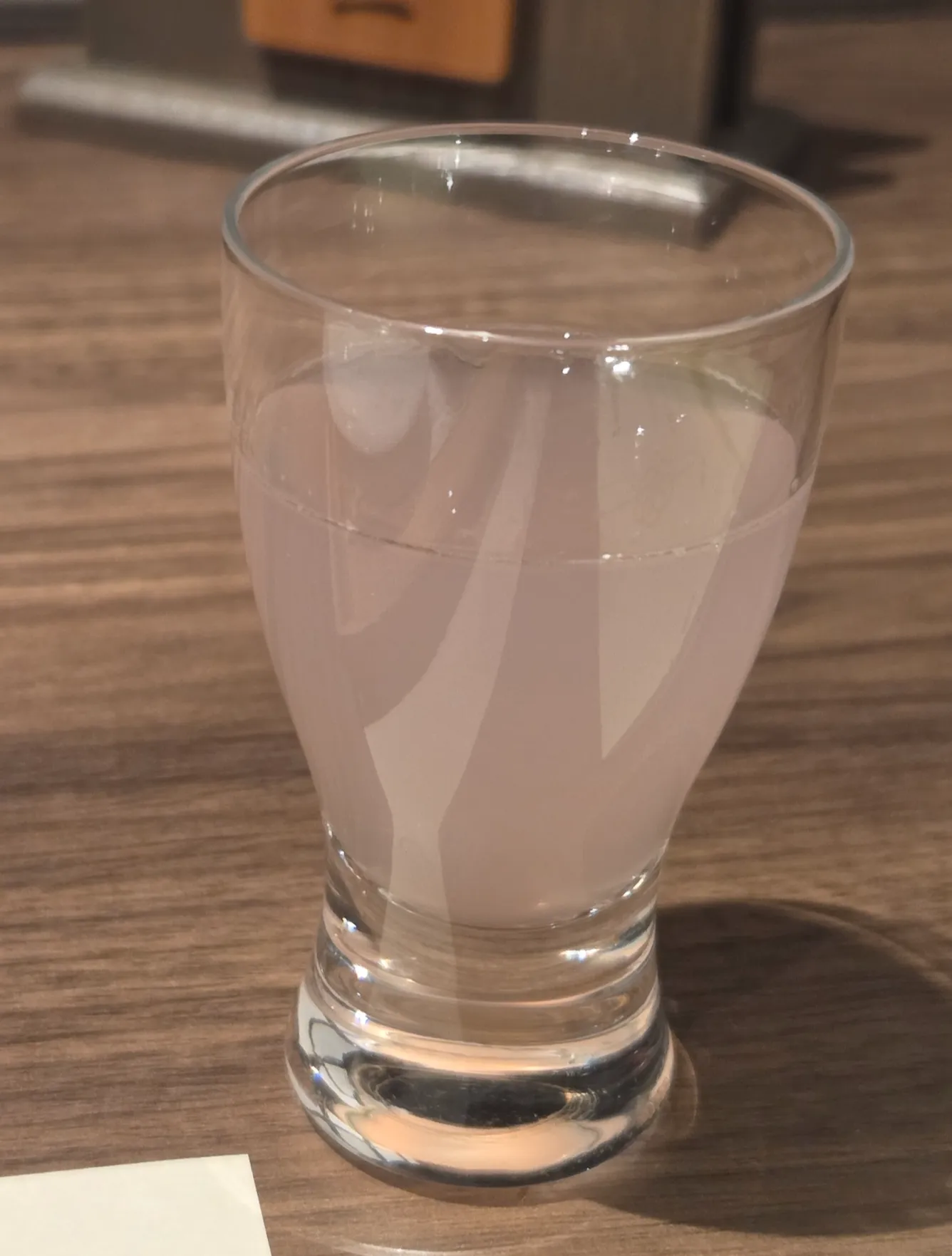

Jozankei Yuraku Soan Dinner Aperitif and Appetizers


Jozankei Yuraku Soan Dinner Appetizers
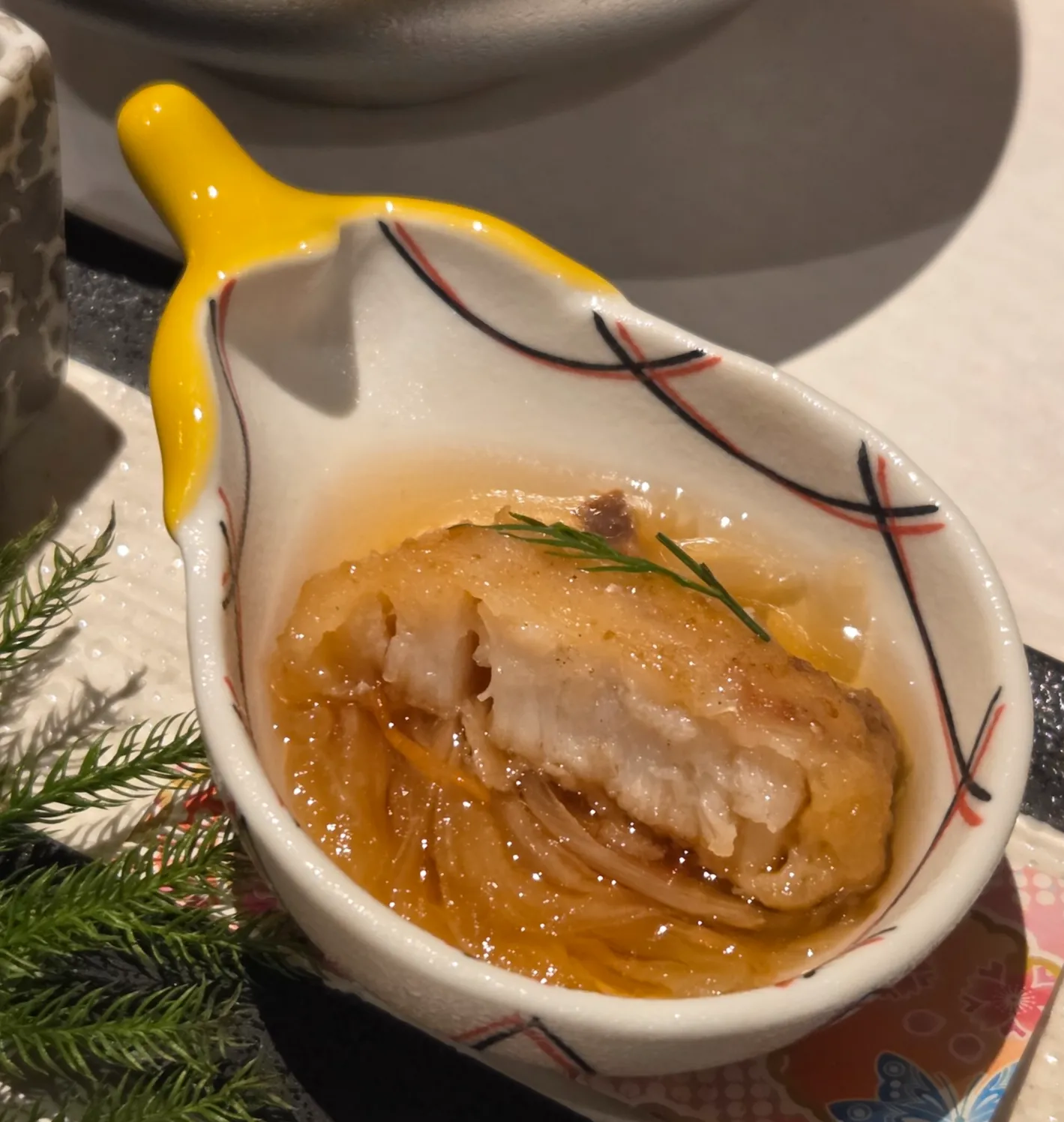

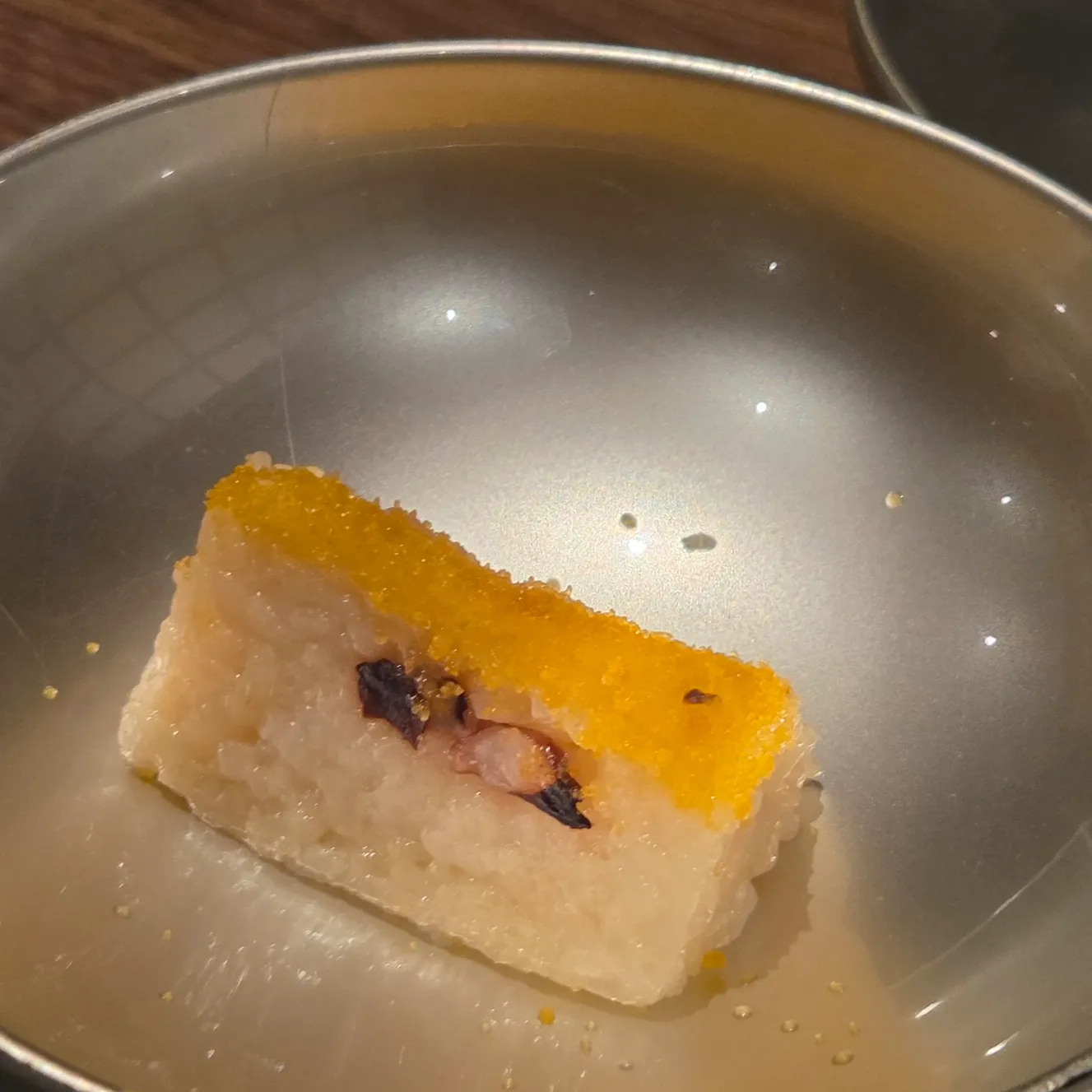
Jozankei Yuraku Soan Dinner Appetizers
The meal kicked off with a non-alcoholic aperitif mixed with Hokkaido pear juice. Offering a non-alcoholic option is a thoughtful touch for those who don’t drink, and the fragrant pear aroma made it an excellent starter. The five appetizers included octopus rice (soft-braised octopus), tofu with crab meat and tomalley, fish nanbanzuke (marinated in sweet vinegar), potatoes with walnut dressing, and chawanmushi (steamed egg custard) topped with grilled milt. The octopus rice consisted of sticky rice topped with octopus meat and finished with fish roe. Perhaps because the piece of octopus was so large, I barely felt its texture, mostly just tasting the sticky rice, though the octopus flavor was quite strong—strong enough that those sensitive to seafood might find it slightly fishy. The crab meat and tomalley tofu was fantastic, with the rich tomalley and deep dashi broth perfectly complementing the silky tofu and chewy crab. The sweet vinegar-marinated fish had a nice balance between the savory fish and the tangy sauce, but it was unfortunately hampered by overly tough bones. As for the potatoes with walnut dressing, the dish felt dry, and the flavors and textures of the walnuts and potatoes clashed rather than complementing each other, making me question why it took up a spot on the appetizer plate. Lastly, the chawanmushi was delicious—the lightly seared milt imparted a smoky aroma, its rich flavor pairing beautifully with the smooth egg and a refreshing hint of yuzu.

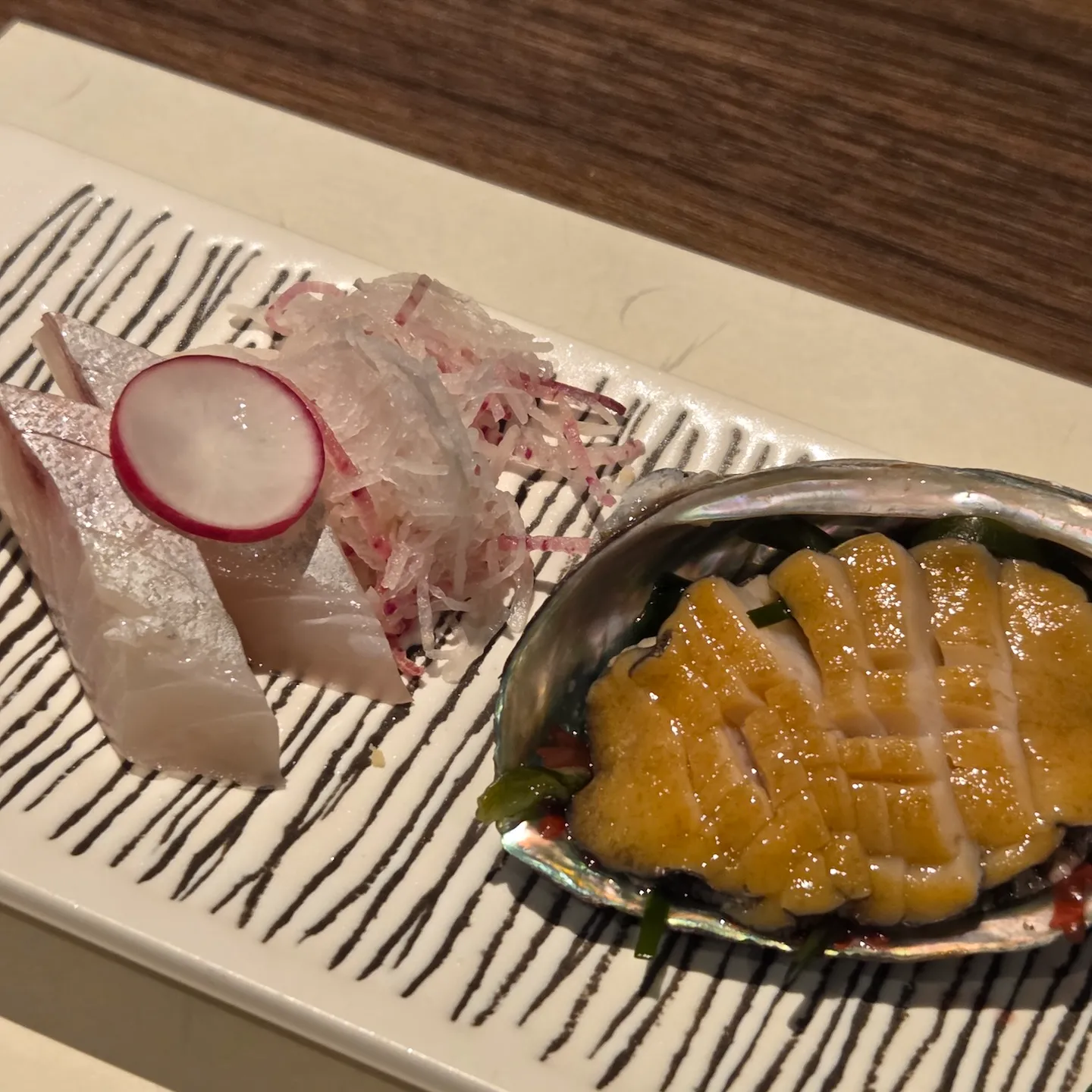
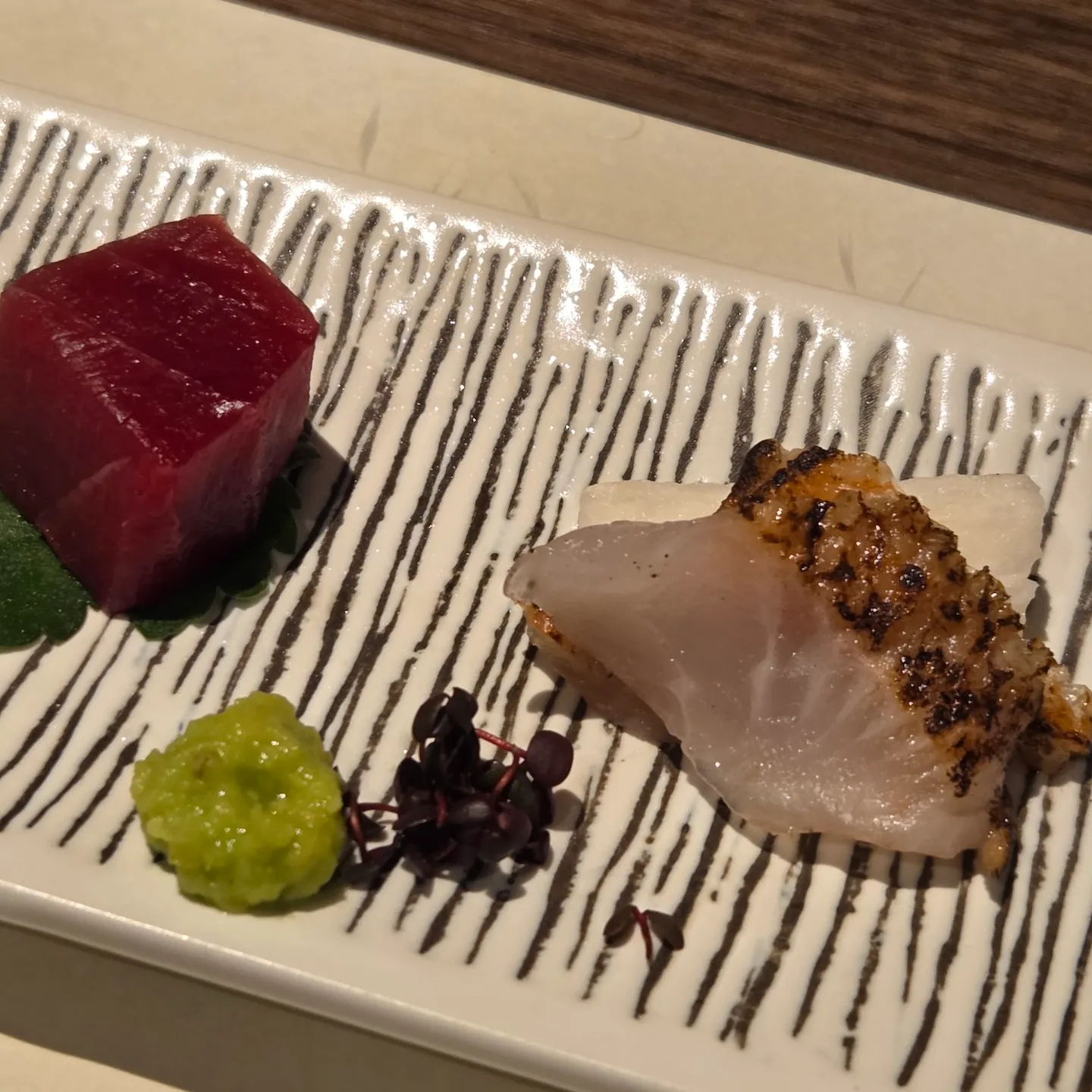
Jozankei Yuraku Soan Dinner Seasonal Sashimi
Next came the seasonal sashimi, featuring four kinds of fish: barfin flounder, abalone, tuna akami (lean meat), and broadbanded thornyhead (locally known as Kinki). The barfin flounder, known as matsukawa karei, is a premium fish. Thanks to proper aging, it retained a tender yet chewy texture, and its moderate fat content made it deliciously savory. The abalone was fresh and crunchy, but since it was laid on kelp, those sensitive to fishy smells might find the bottom part a bit pungent. The akami was fresh and soft, but unfortunately, a tough membrane hadn’t been completely removed, which was a bit of a letdown. The Kinki—a highly prized fish in Hokkaido—was fatty and flavorful, with its seared skin adding a fantastic smoky aroma. Soy sauce, kelp salt, and sudachi citrus vinegar were provided as dipping sauces. Personally, a light dip in the soy sauce tasted best. For the abalone, dipping it in the sudachi vinegar was a good way to mask any fishiness.
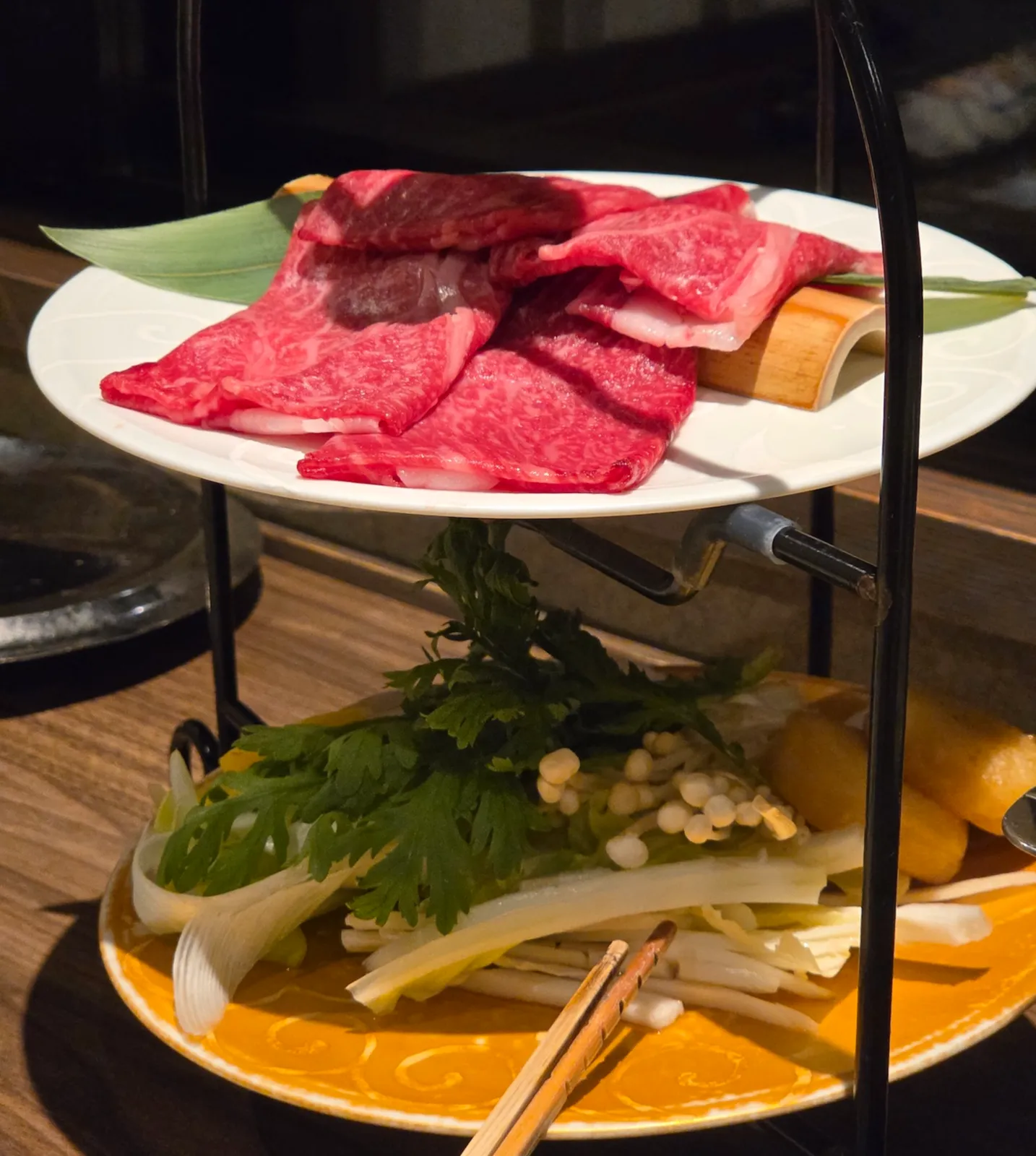

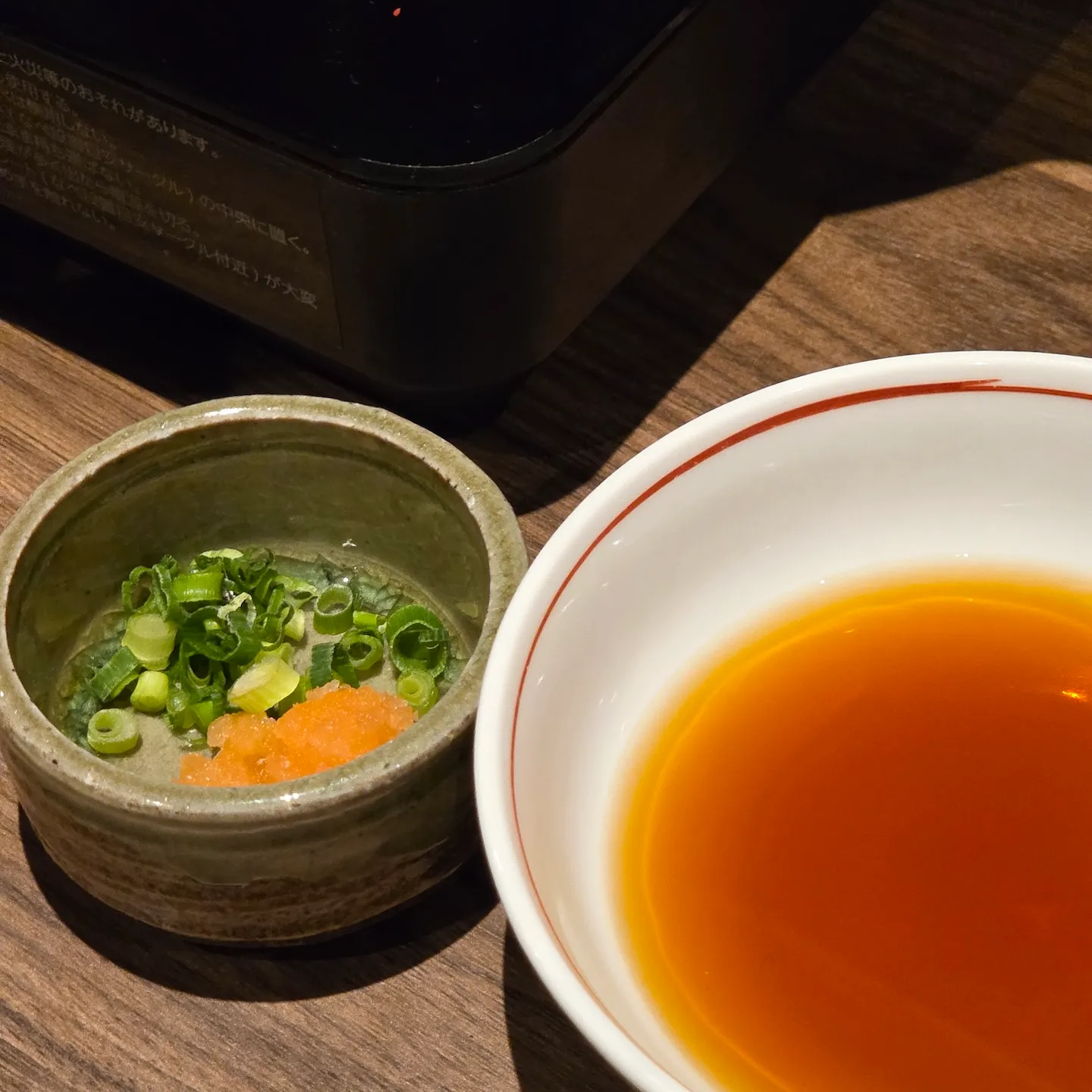
Jozankei Yuraku Soan Dinner Wagyu Shabu-Shabu
After that, a hot hotpot dish featuring wagyu shabu-shabu was served. It came with high-quality wagyu, vegetables like crown daisy, green onions, and cabbage, along with imo-mochi (Hokkaido potato mochi). The wagyu was incredibly tender and delicious when eaten right as it lost its pinkness, and the vegetables were sweet and aromatic. The chewy imo-mochi was also a nice touch. A ponzu dipping sauce was provided, which paired perfectly with the shabu-shabu overall.


Jozankei Yuraku Soan Dinner Steamed Dish
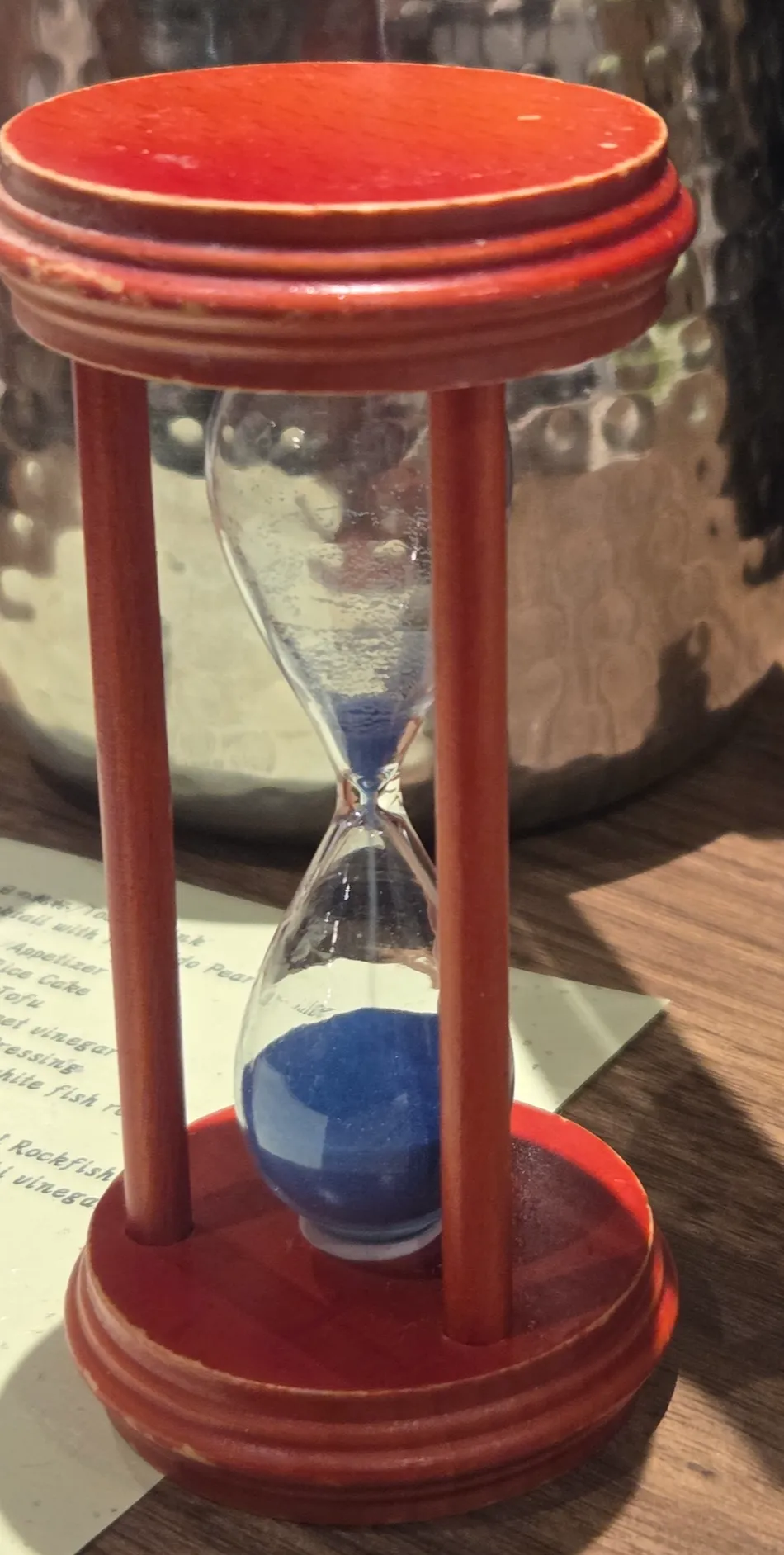
Next, a steamed dish was served in a bamboo steamer. We were given a hourglass and told to open the steamer once the sand ran out. Inside were scallops, monkfish, crab, and mushrooms, served with a garlic miso dipping sauce. The monkfish tail was tender, and perhaps because it was steamed alongside the scallops and crab, it carried a subtle, pleasant seafood aroma. The scallops were great—no fishiness, just a sweet clam flavor and a firm texture. However, they seemed a bit under-purged, as I occasionally crunched on some grit. Only the crab claw was served, so there wasn’t much meat, but it was moist and full of crab flavor. The garlic miso sauce, on the other hand, was exactly as it sounds—strongly flavored with both garlic and miso. Because it was so overpowering, it masked the natural flavors of the ingredients, and I didn’t feel it paired well with this steamed dish.
Jozankei Yuraku Soan Dinner Entree Selection
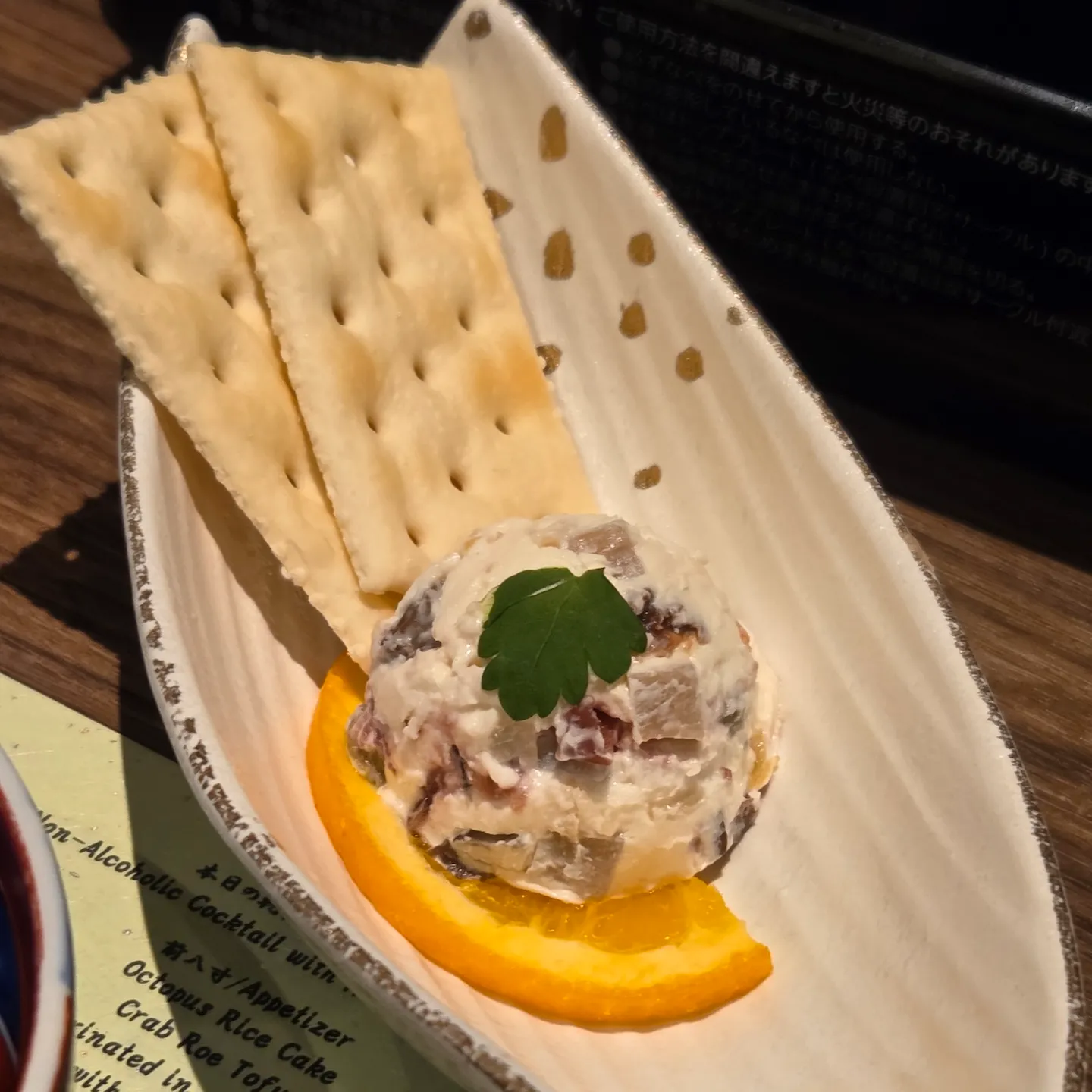
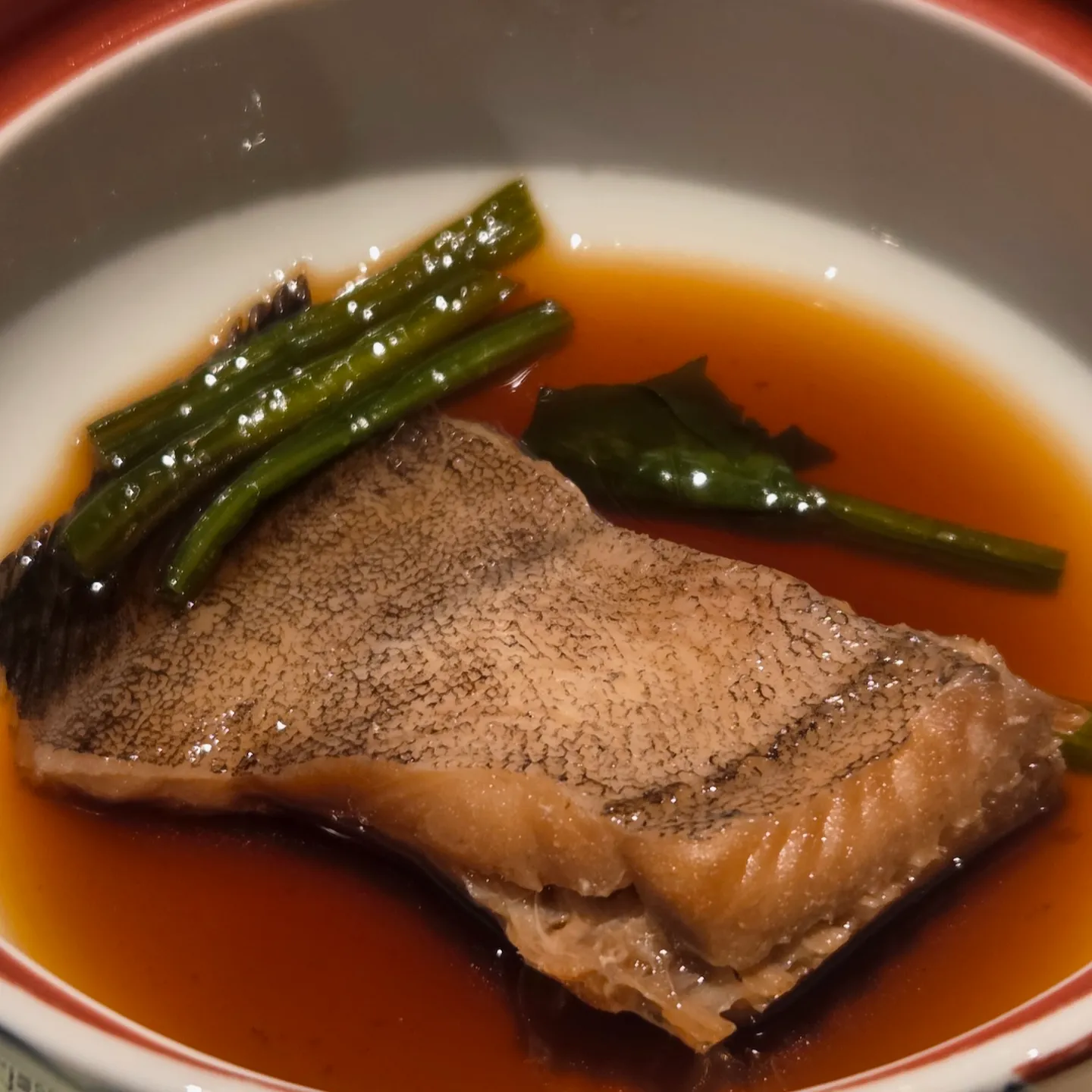
Jozankei Yuraku Soan Dinner Entree Selection
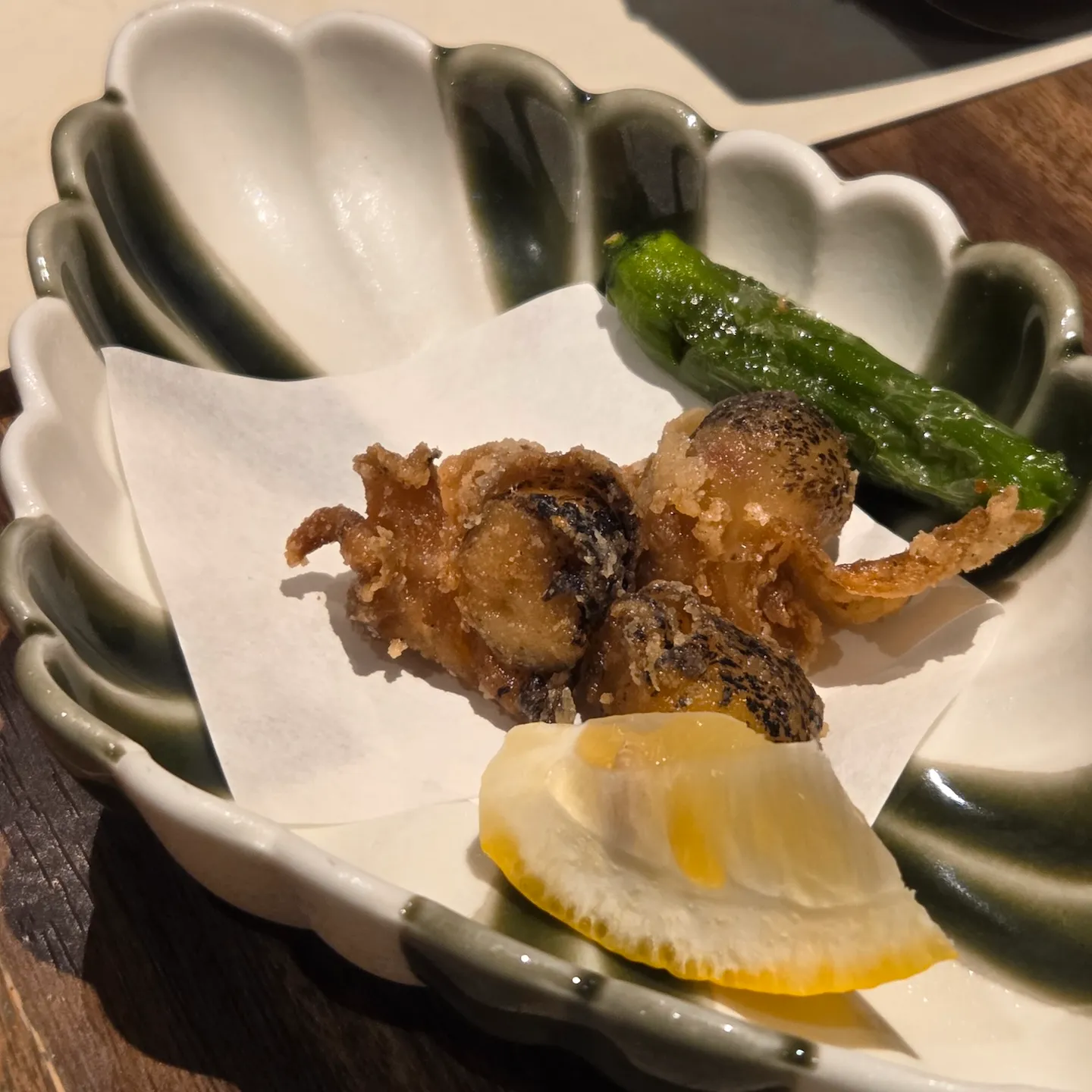
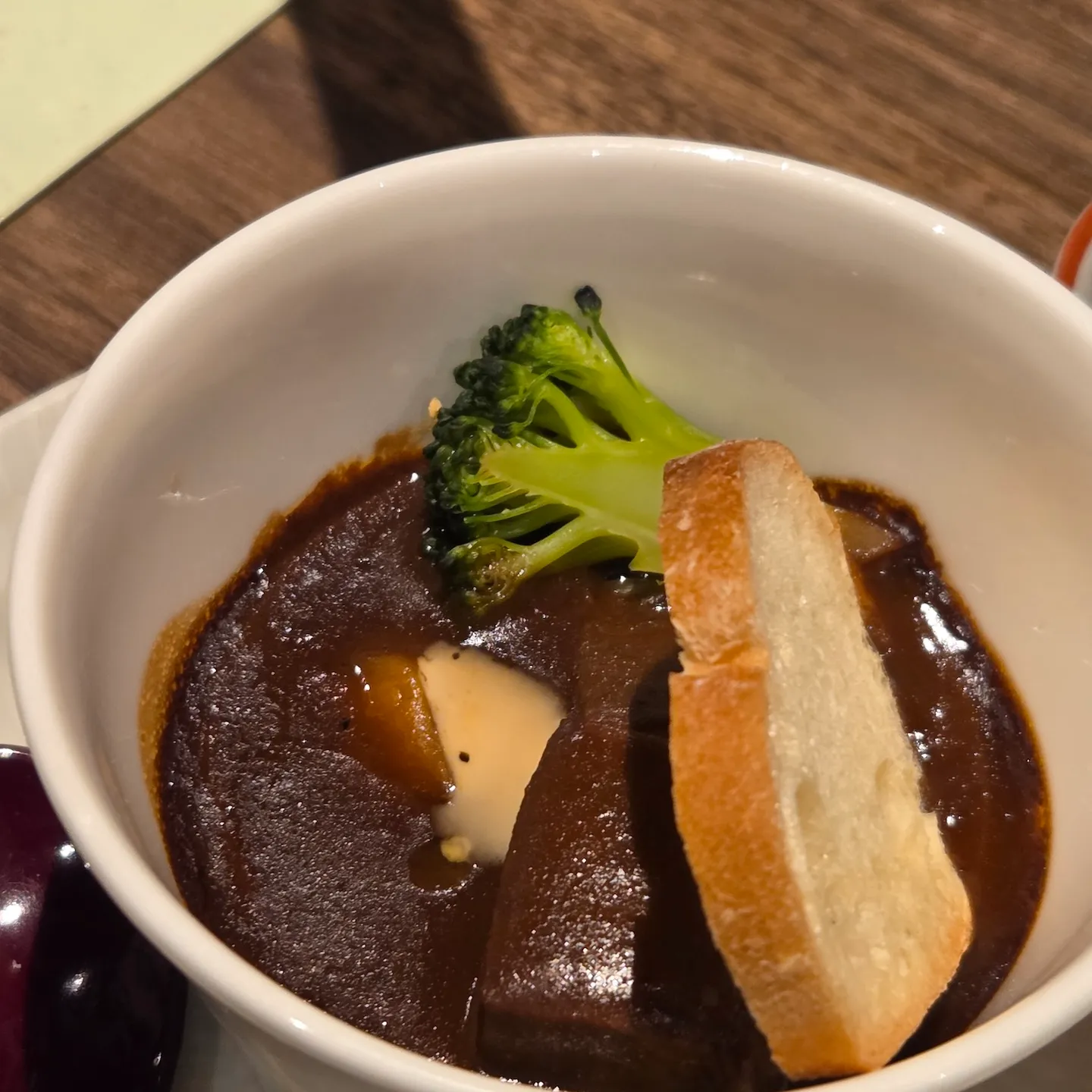
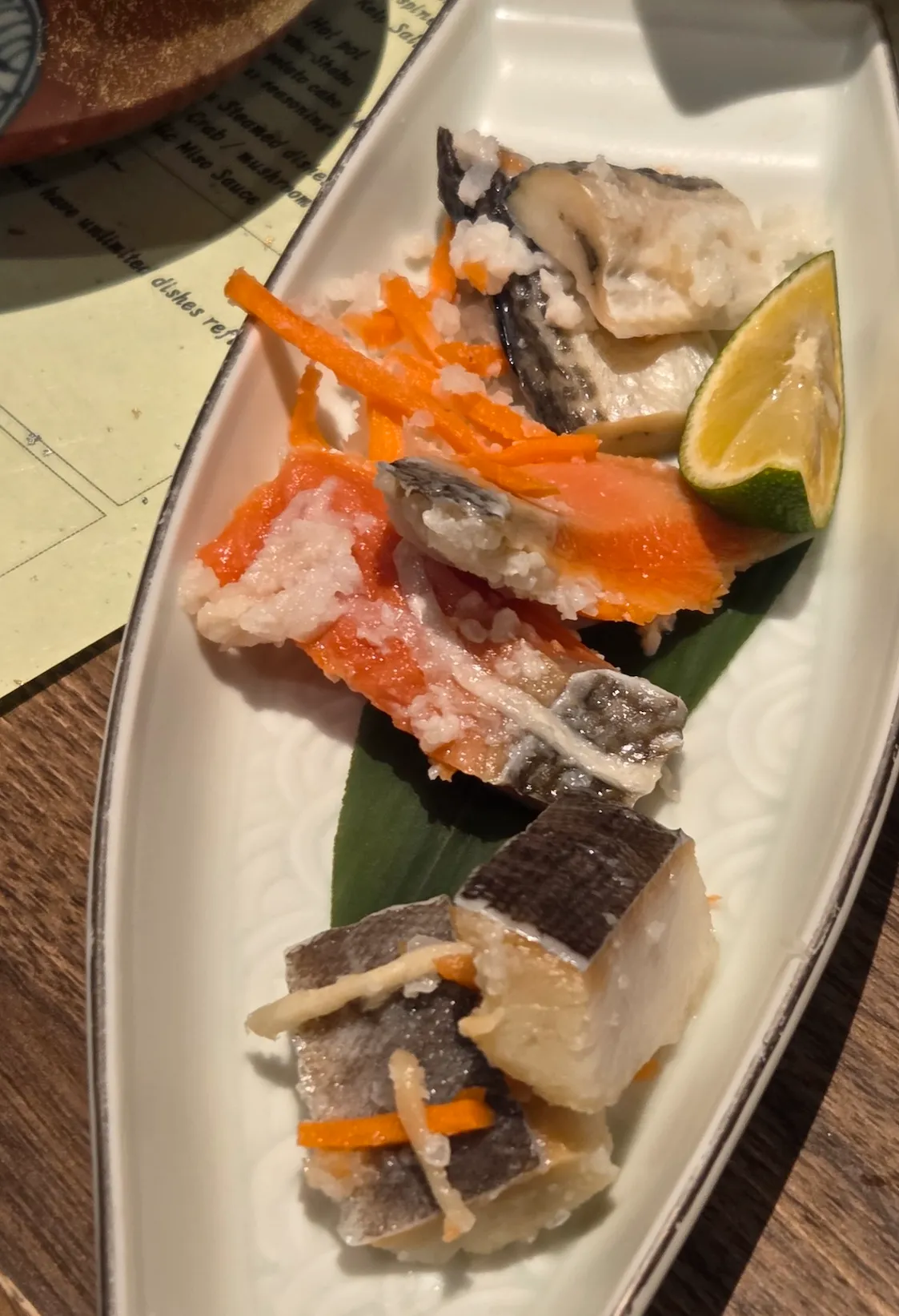
For the choice of entrees, the options were braised flounder, fried sea snail, beef stew, cream cheese salad, and herring kirikomi. The beef stew featured a rich demi-glace sauce, and the meat was cooked to fall-apart tenderness. The fried sea snail had a thin, crispy batter, but the meat inside was a bit tough, which was disappointing. The braised flounder tasted like a standard, well-seasoned Japanese fish dish, and the cream cheese salad was exactly that—a simple pairing of cream cheese and crackers. Finally, the herring kirikomi is a traditional Hokkaido dish of herring fermented in rice malt and salt. Unfortunately, it was overwhelmingly fishy to my palate, and I couldn’t take more than a single bite.
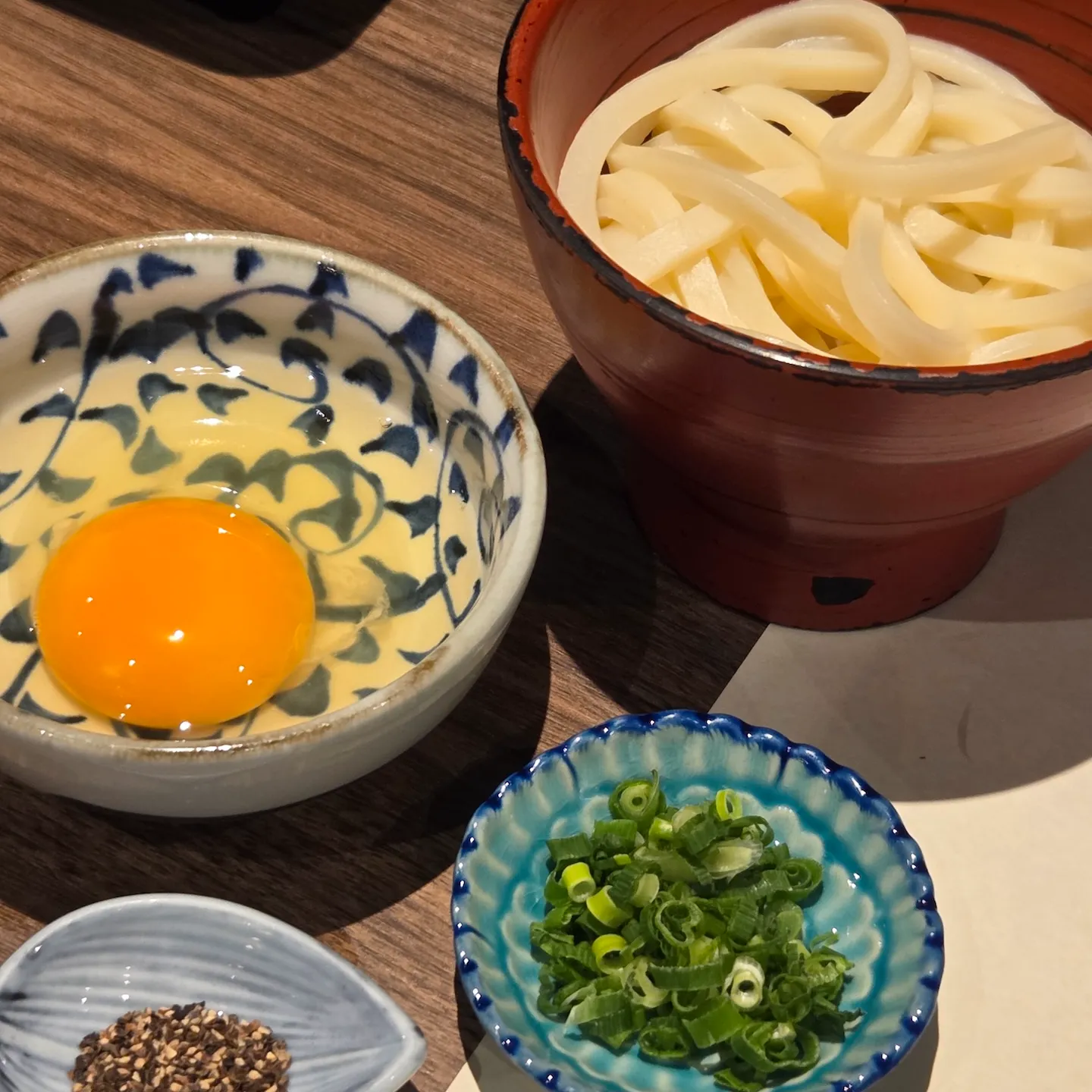
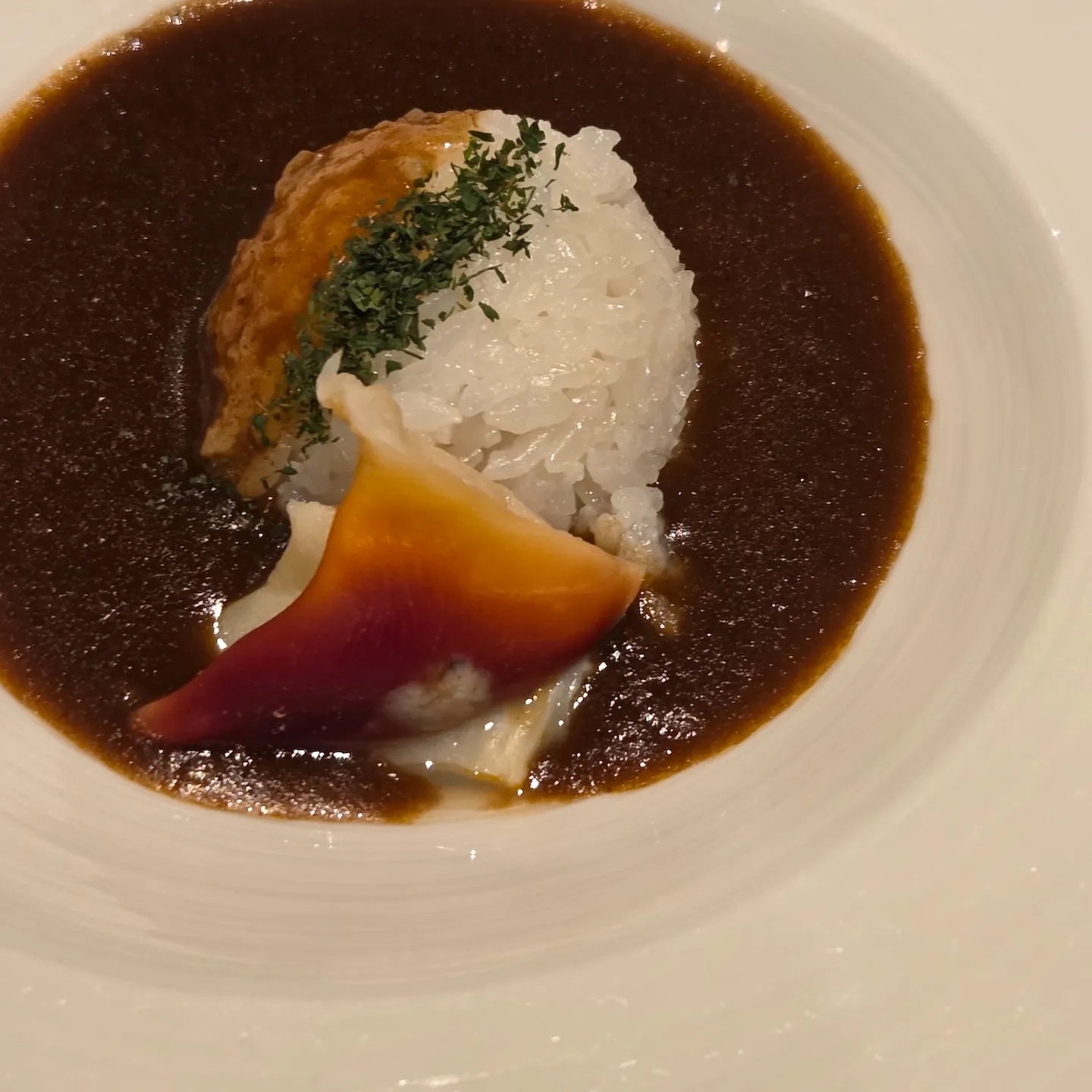
Jozankei Yuraku Soan Dinner Main Dish
For the main dish, you could choose from Sakhalin surf clam curry, udon, or salmon flake porridge. Although they say you can order as much as you want, the udon and the salmon porridge both use the leftover shabu-shabu broth, so practically speaking, you can only choose one of the two. I opted for the udon, which came with noodles, egg, pepper, and green onions. The noodles were wonderfully chewy, but perhaps because the shabu-shabu broth had boiled down, it tasted quite salty. As for the surf clam curry, it was a mild, non-spicy Japanese curry featuring well-cooked, chewy clams.
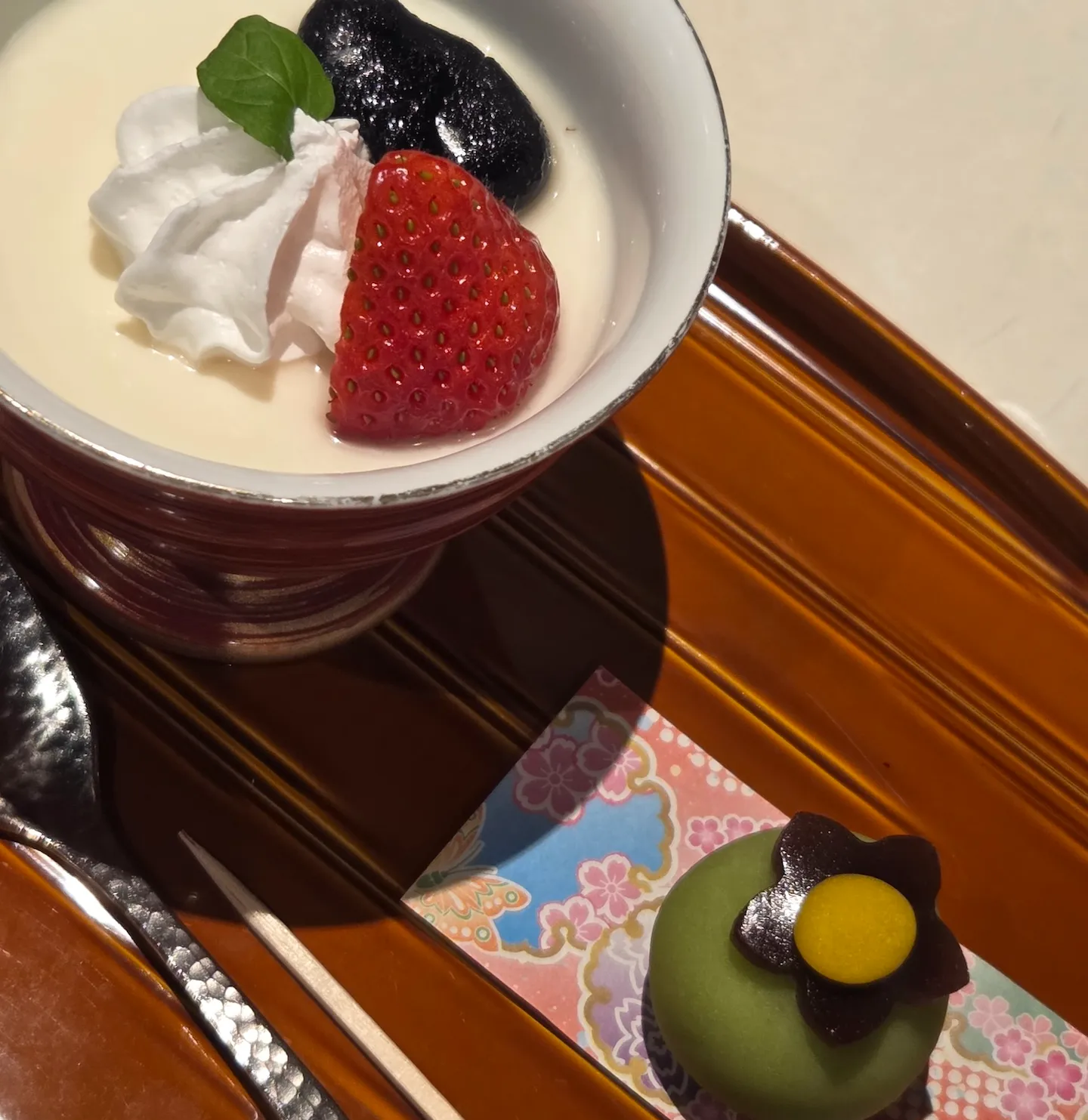
Jozankei Yuraku Soan Dinner Dessert
Jozankei Yuraku Soan Dinner Dessert
For dessert, we were served a Hokkaido milk pudding and a seasonal flower-shaped wagashi (traditional Japanese sweet) called nerikiri. The pudding showcased that rich milk flavor Hokkaido is famous for, with strawberries adding a refreshing tartness, and sweet simmered black beans (kuromame) providing a nutty, mild flavor that tied it all together perfectly. The wagashi was standard but good.
Overall, my verdict on Jozankei Yuraku Soan’s dinner is that “the composition itself isn’t bad.” It utilizes local Hokkaido ingredients and feels appropriate for a ryokan kaiseki meal in the region. However, despite this, it’s hard to call it a highly satisfying dinner.
First, the pacing was incredibly slow. Some ryokans serve everything at once, while others—like Yuraku Soan—bring dishes out sequentially. Perhaps due to understaffing relative to the number of guests, the courses didn’t flow naturally with our eating pace; instead, there were frequent, long gaps between dishes. As a result, the meal took nearly two hours—averaging about 15 minutes per course. Imagine finishing your aperitif and then waiting 15 minutes for the appetizer. It left me wishing they had just served everything at once, even though I know authentic kaiseki is meticulously coursed out.
Second, from a Korean perspective, the menu lacks impactful, crowd-pleasing dishes and instead features several items that feel unnecessary. For instance, the potato and walnut dish and the cream cheese salad felt completely out of place. The herring kirikomi might appeal to Hokkaido locals, but it’s overly fishy for most Koreans. Even the octopus rice felt like a massive bowl of rice with only a fingernail-sized piece of octopus. Had all the food been served at once, the sheer volume and variety might have masked these flaws, but because they came out one by one over a long period, we naturally scrutinized each dish more, making the shortcomings more glaring.
Lastly, the explanations were lacking. Compared to the Japanese menu, the English version simplified the ingredients and had questionable translations—like calling crab tomalley and milt just “Fish Roe.” This means that unless you’re a seafood expert, you’ll likely miss out on the fact that you’re eating premium ingredients. The barfin flounder (matsukawa karei) and broadbanded thornyhead (locally known as Kinki) are highly prized in Hokkaido, but without knowing that, you might just think you’re eating “white fish” and “seared white fish.” If you don’t know you’re eating a luxury ingredient, you might actually be more satisfied with ten slices of basic halibut.
Taking all this into account, it’s a decent kaiseki meal, but perhaps not one that will leave foreign guests feeling completely satisfied.
9. Breakfast
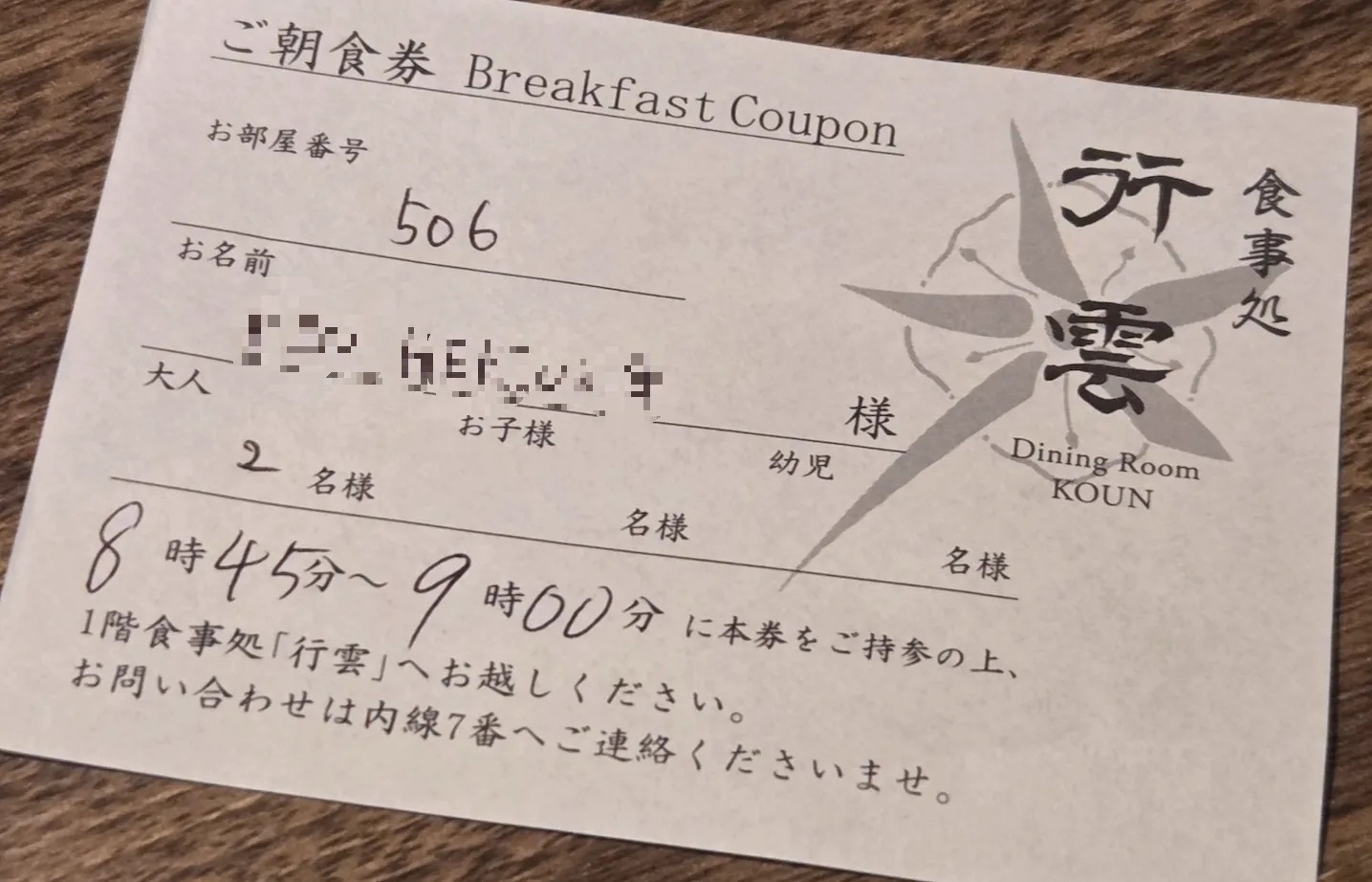
Jozankei Yuraku Soan Breakfast Ticket
Jozankei Yuraku Soan Breakfast Ticket
Breakfast at Jozankei Yuraku Soan is generally served between 7:00 AM and 9:00 AM. You reserve your breakfast time with the staff right after finishing dinner. They usually recommend either the earliest slot at 7:00 AM or around 8:00 AM, when the first wave of diners is leaving. This is mostly because arriving early secures a window seat. However, if your room already has a mountain view, the scenery from the restaurant isn’t vastly different, so you don’t need to stress too much about getting a window table. Keep in mind that breakfast slots are booked on a first-come, first-served basis, so if you take the late dinner seating and eat slowly, your preferred breakfast time might be full.
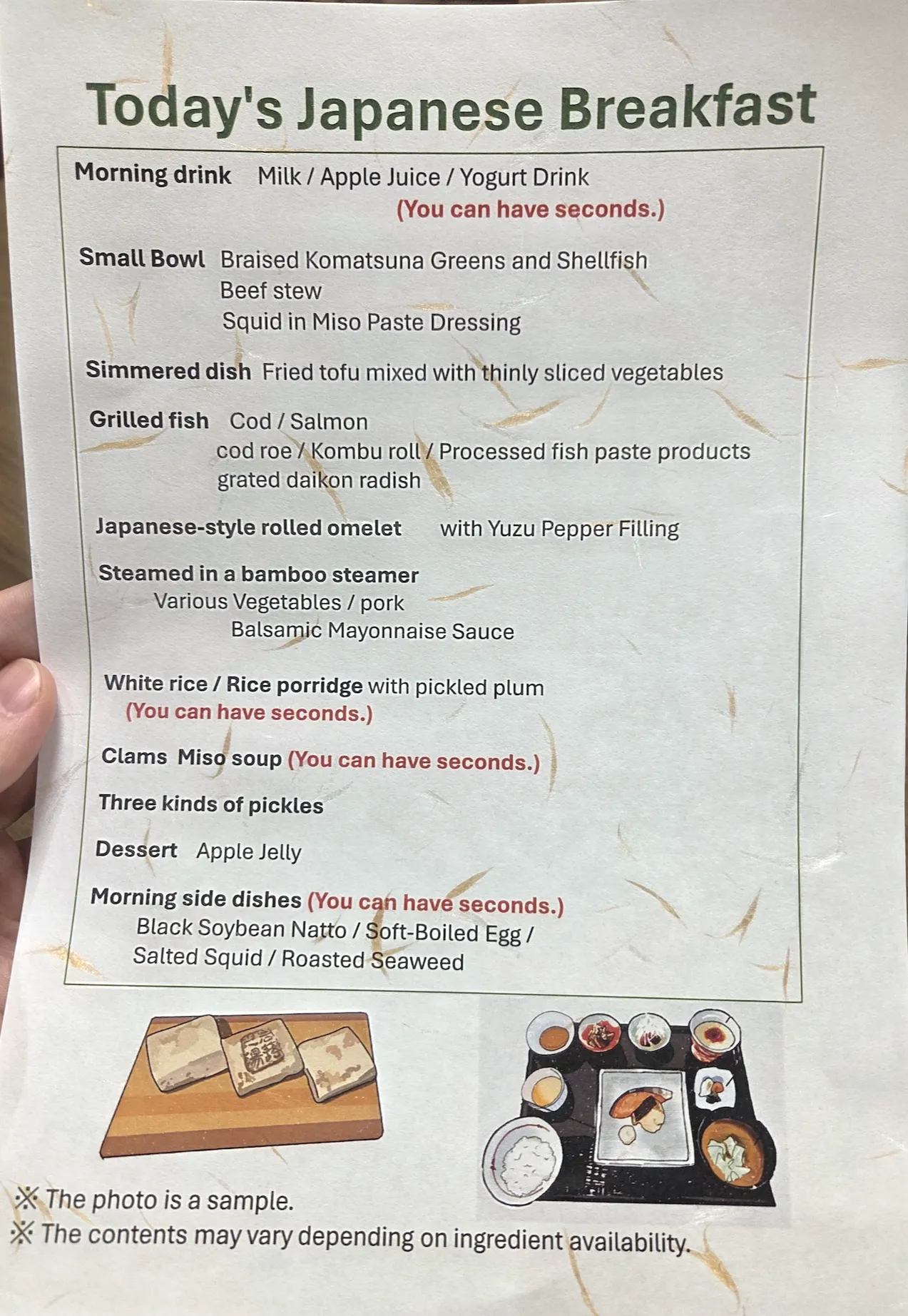

Jozankei Yuraku Soan Breakfast Menu and Setup
Breakfast at Yuraku Soan is a traditional Japanese set meal. Unlike dinner, almost everything is pre-set on the table when you arrive, so you simply eat and leave—meaning you can easily finish in about 30 minutes, which is a huge plus. An English menu is provided, and since breakfast items are generally more familiar and intuitive than the dinner courses, understanding the menu wasn’t an issue.
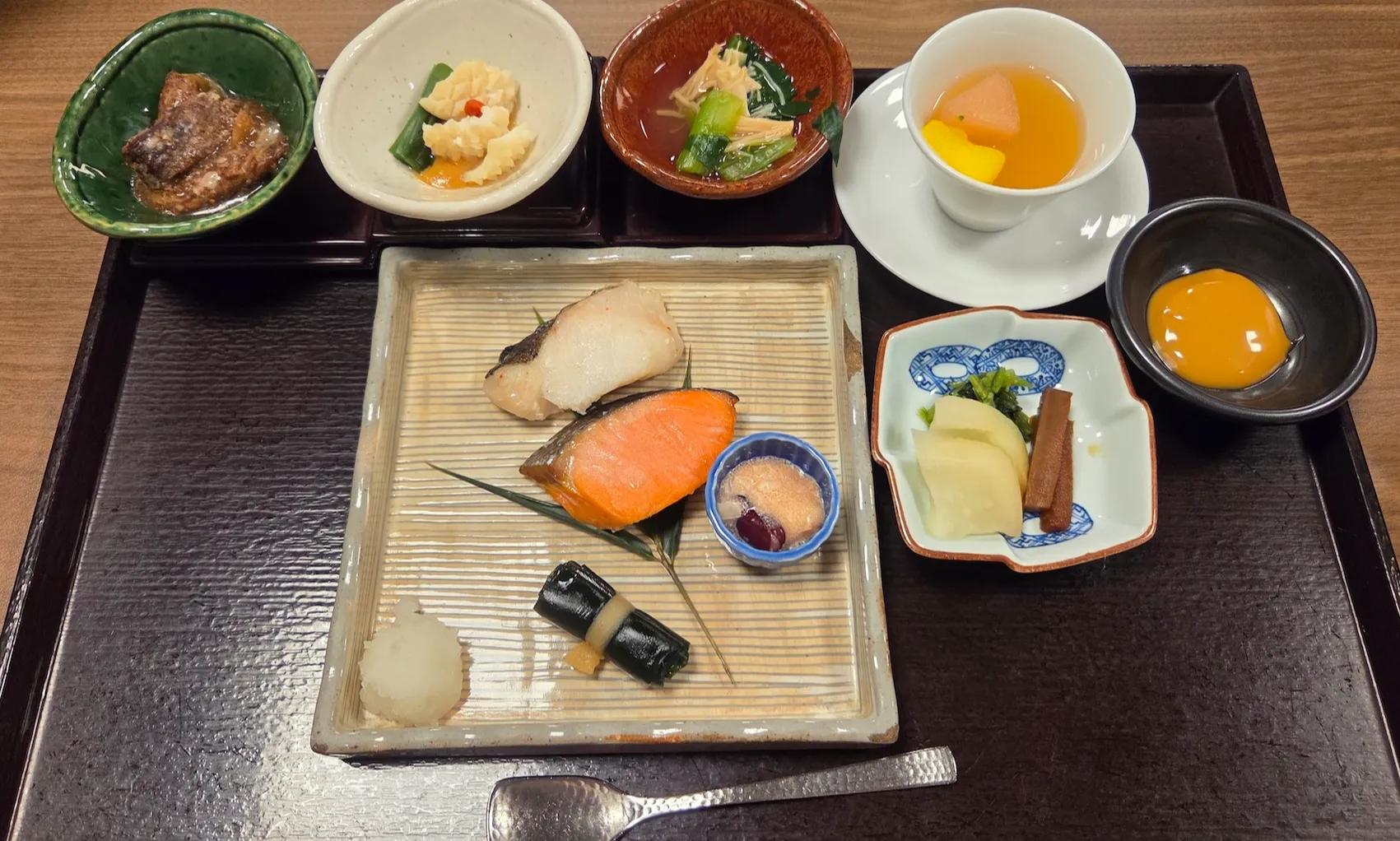
Jozankei Yuraku Soan Breakfast Menu
Jozankei Yuraku Soan Breakfast Menu
For drinks, you can choose between milk, apple juice, and a probiotic dairy drink. You can have more than one, but you can’t order multiple drinks right away—you have to finish your first glass before ordering a second. For carbs, you can choose between rice and porridge, and for side dishes, you can order black bean natto, a hot spring egg, salted squid, or roasted seaweed. Similarly, you can’t order multiple sides at once, and must finish one before ordering the next. In reality, the staff rarely walked by, so we ended up finishing our meal while waiting to place a second order.

Jozankei Yuraku Soan Breakfast Small Side Dishes

Jozankei Yuraku Soan Breakfast Small Side Dishes
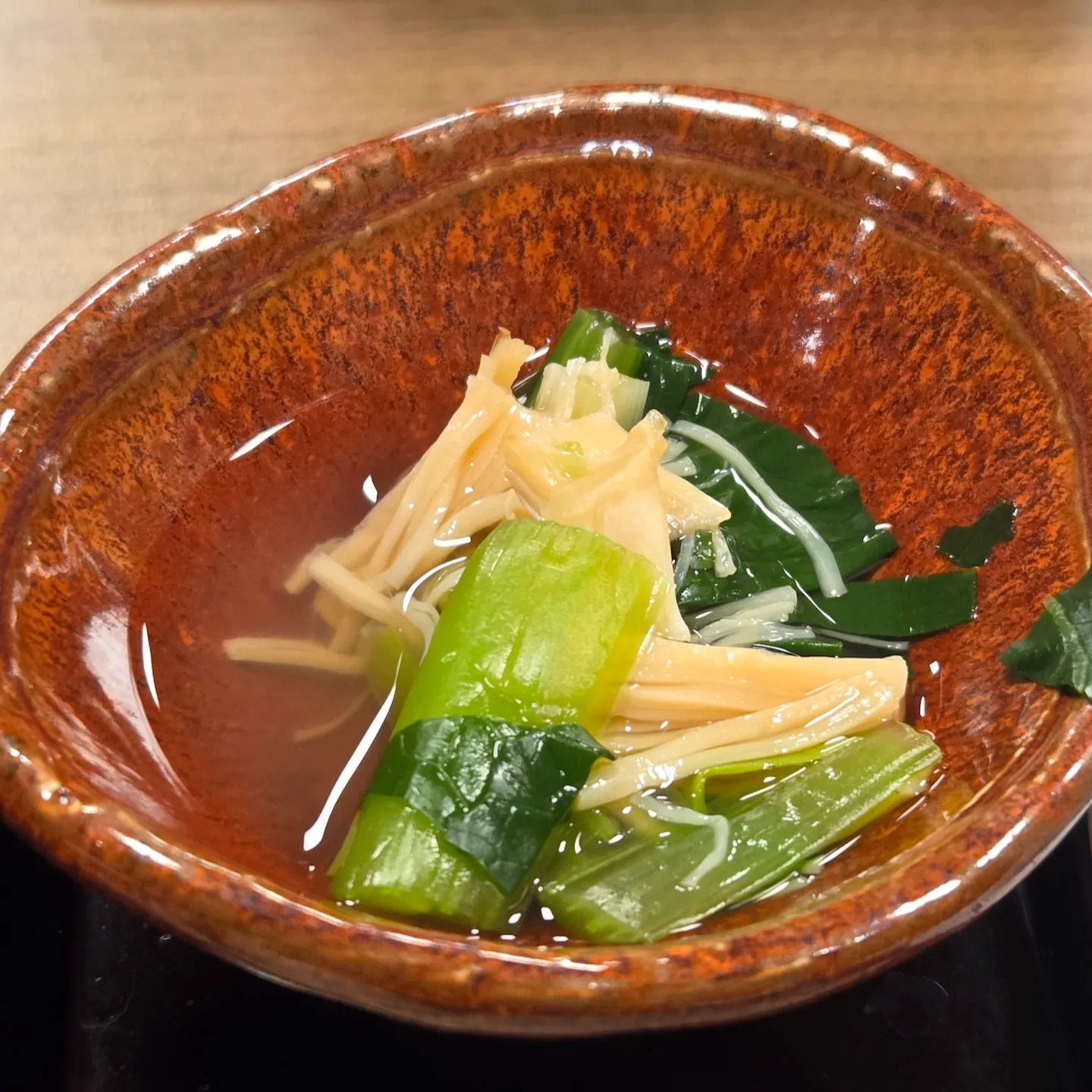
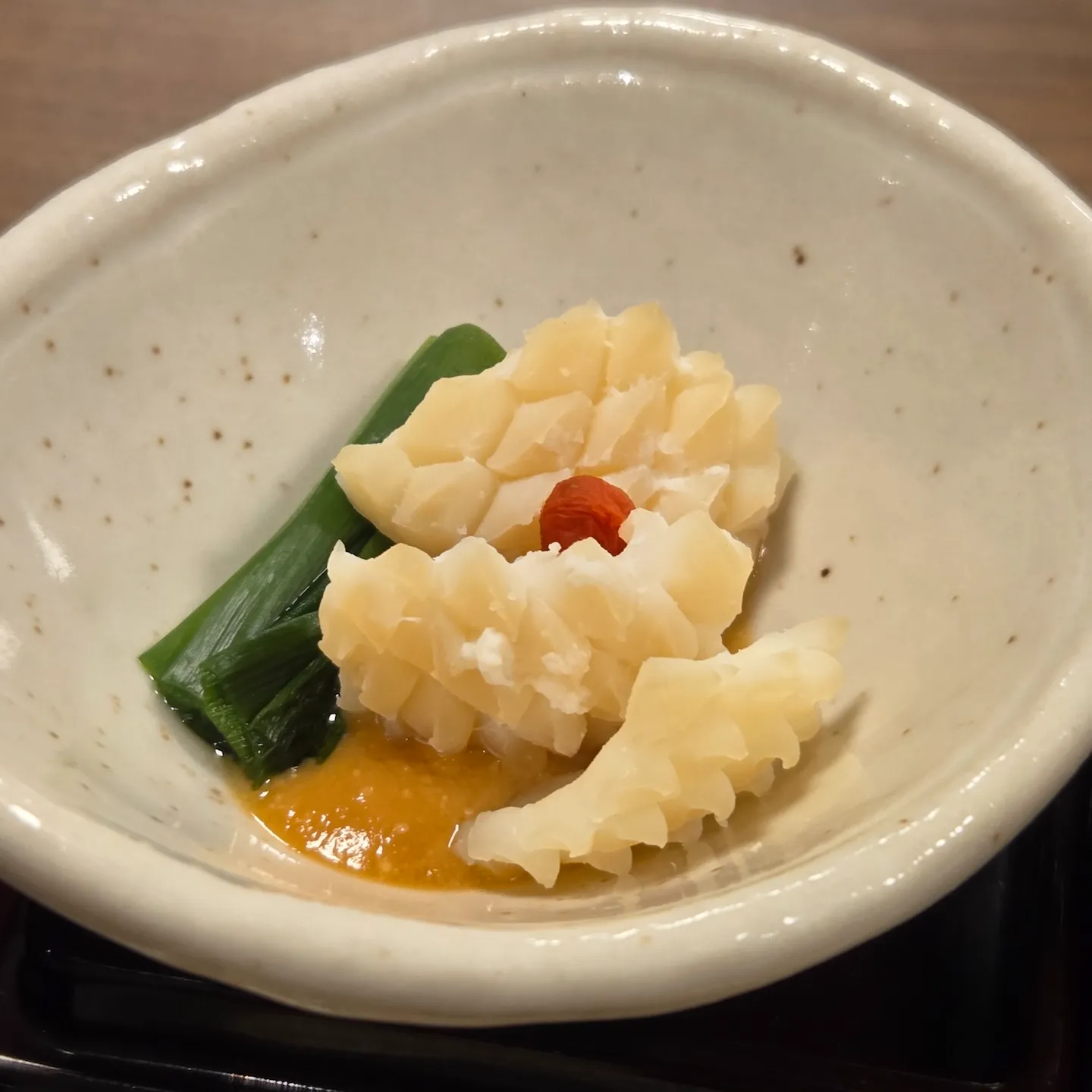
The small side dishes included braised komatsuna (Japanese mustard spinach) with clams, braised beef, and squid tossed in miso. The komatsuna provided a great crunchy texture, and the umami from the dashi and clam broth paired perfectly with the chewiness of the clams and mushrooms. The braised beef was mild and tender, but since it was pre-set, it was unfortunately cold. The squid felt slightly overcooked and tough, but the miso sauce was absolutely delicious. Another braised dish was fried tofu with vegetables (similar to ganmodoki), lightly simmered in broth. The nutty tofu paired wonderfully with the texture of the vegetables. The seasoning wasn’t overpowering, and the harmony of tofu, shiitake mushrooms, and the umami-rich bonito flakes was incredibly tasty.

Jozankei Yuraku Soan Breakfast Grilled Fish and Japanese Omelet
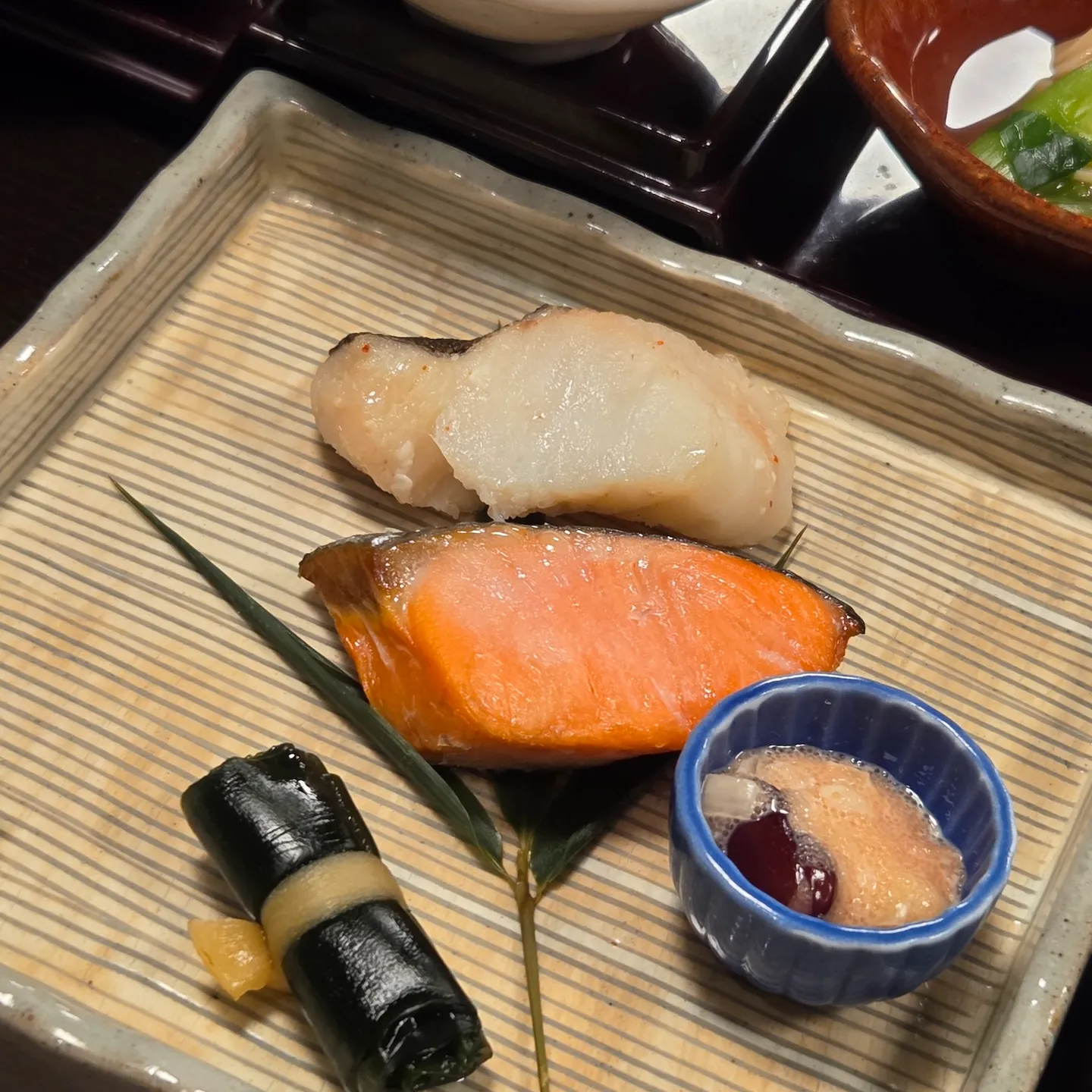
The grilled fish plate featured cod and salmon. The salmon was tasty but a bit overcooked and dry. The cod was also slightly overcooked, but taking a big, meaty bite was still very satisfying. The accompanying kelp roll wasn’t fishy at all and highlighted the kelp’s natural umami, while the pollack roe and grated radish were great complements. The Japanese omelet was soft, sweet, and universally appealing, enhanced by a dashi-based sauce that added depth. It supposedly contained yuzu kosho, and the very subtle hint of yuzu paired with a slight peppery kick worked beautifully.

Jozankei Yuraku Soan Breakfast Bamboo Steamed Dish
Jozankei Yuraku Soan Breakfast Bamboo Steamed Dish
We were told to eat the bamboo steamed dish after 10 minutes, but it wasn’t fully cooked by then, so we had to wait longer. The steamer contained pork and various vegetables like cauliflower, carrots, mushrooms, and radish, served with a balsamic mayo dipping sauce. The pork was tender, and the vegetables—which are delicious on their own—retained their natural flavors perfectly. The balsamic mayo added a nice touch of acidity and richness, making for a great combination.

Jozankei Yuraku Soan Breakfast Miso Soup and Pickled Vegetables
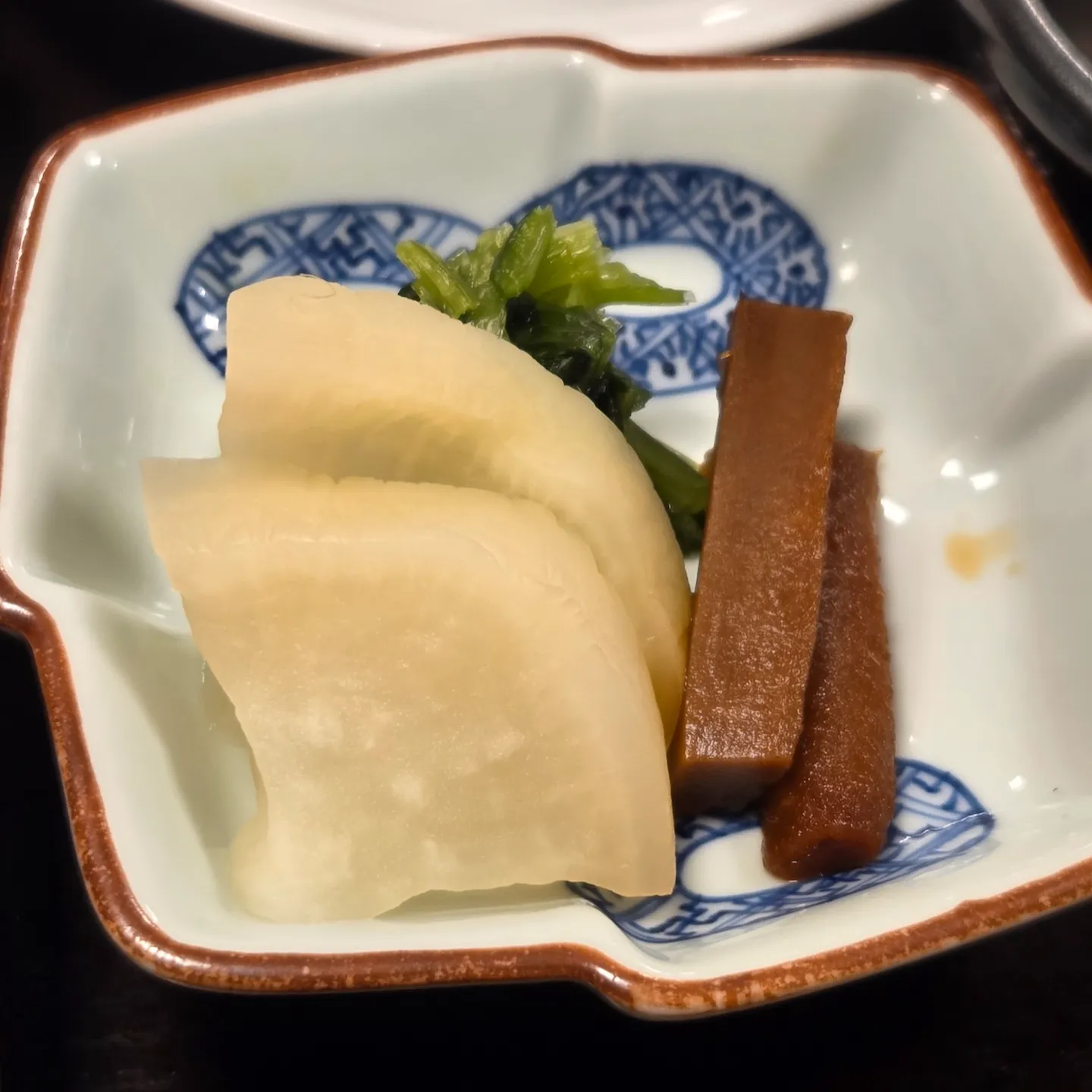
The miso soup contained clams, giving it a wonderfully refreshing and clean broth. Personally, I love Japanese pickled vegetables, and eating them with rice mixed with natto was a great combination of nutty flavors, crunchy textures, and tanginess. Dessert was an apple jelly, which tasted somewhat like canned fruit.
Breakfast at Jozankei Yuraku Soan offers an overflowing spread for a Japanese set meal. Because the meal is pre-set, some dishes were unfortunately cold. However, for guests who endured a nearly two-hour dinner the night before, a pre-set meal that can be finished in 15 to 20 minutes might be exactly what’s needed. In my opinion, while it might not rival the Japanese breakfast offerings at a 5-star hotel buffet in Tokyo, it’s a perfectly fitting ryokan breakfast—hearty, not overly heavy, and a great way to start the day.
10. Facilities & Activities
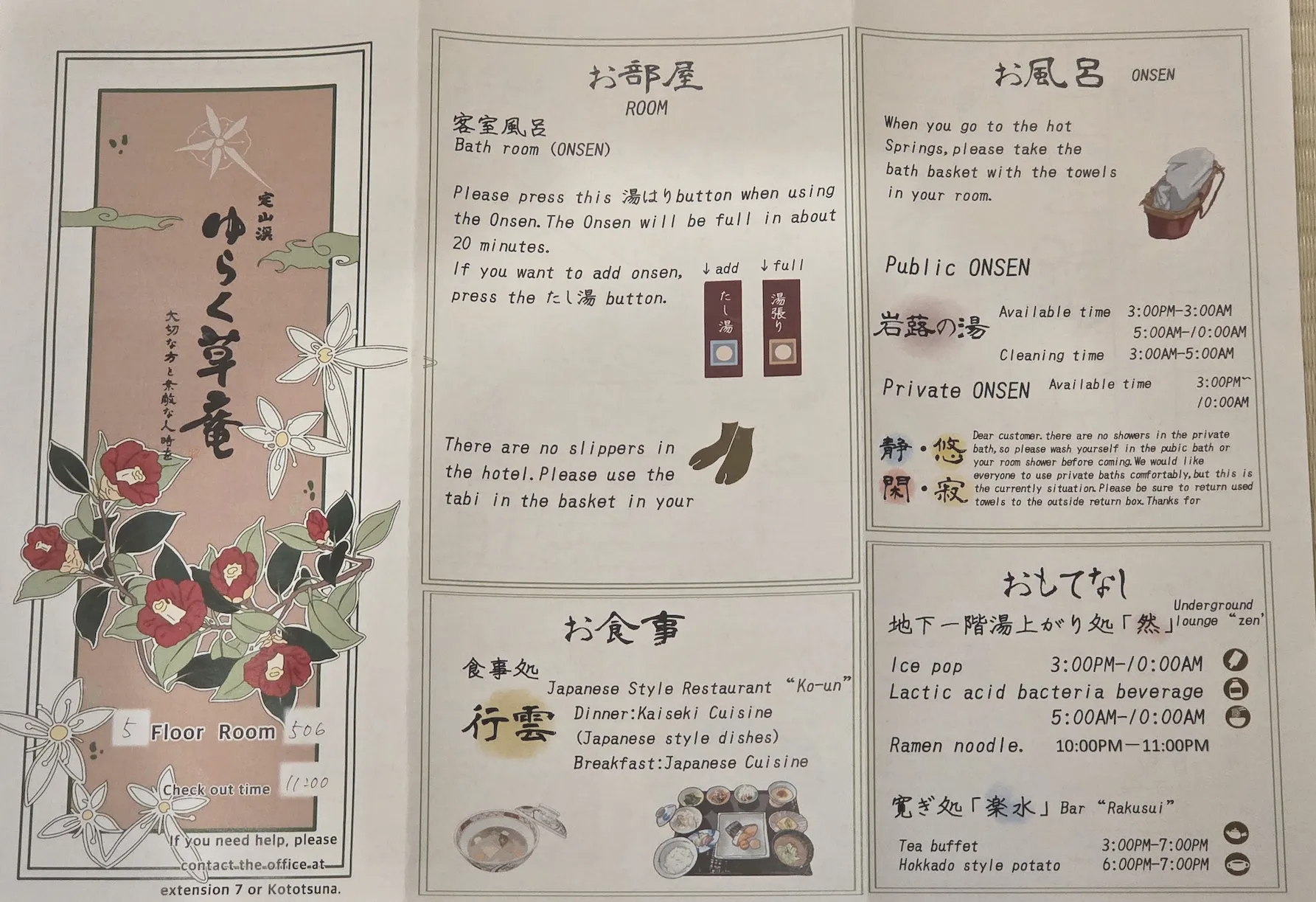

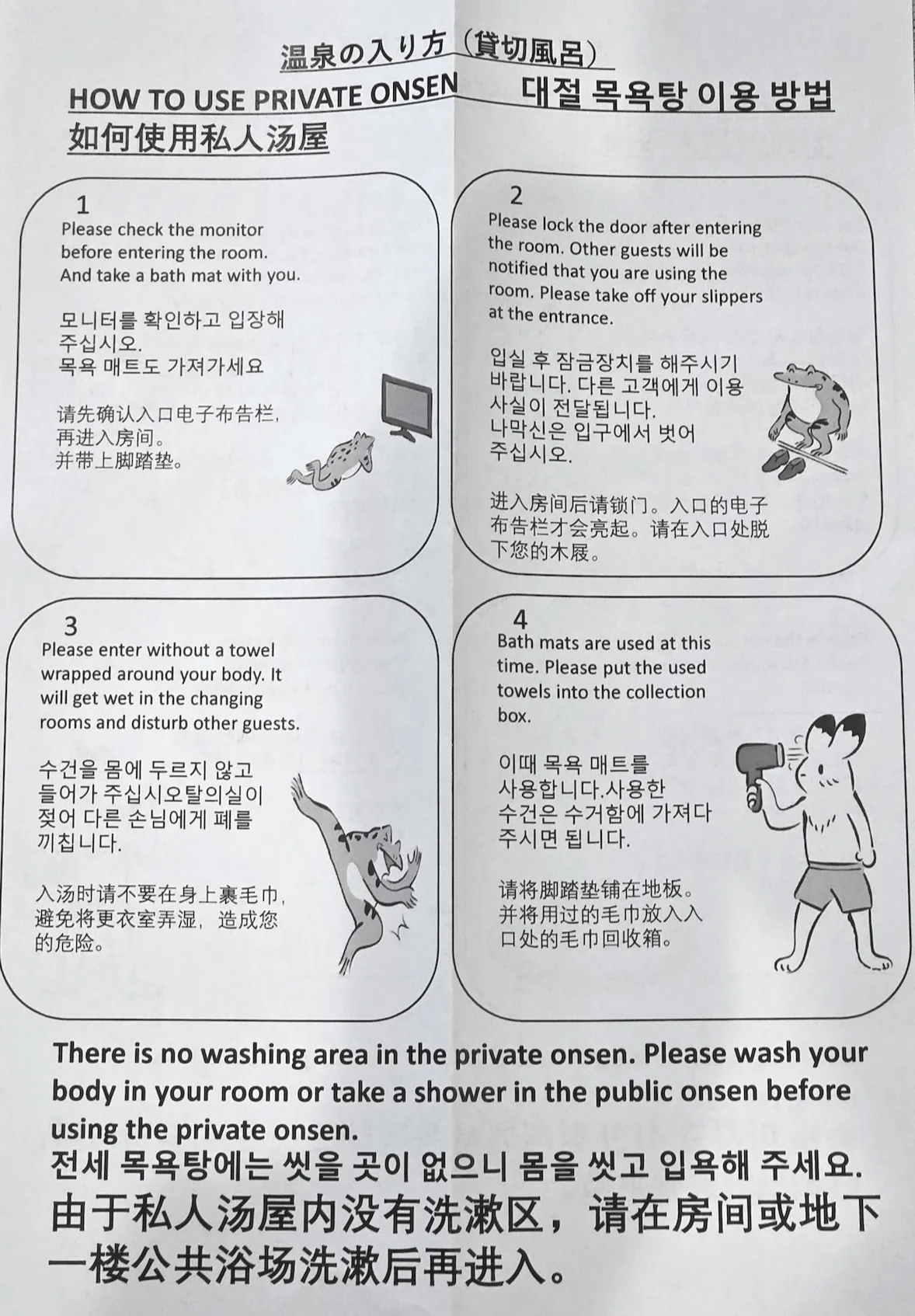
Jozankei Yuraku Soan Hotel Map
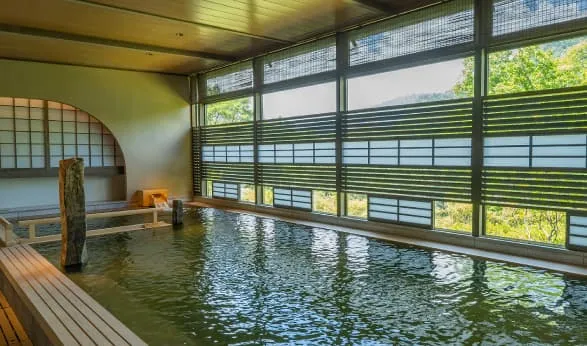
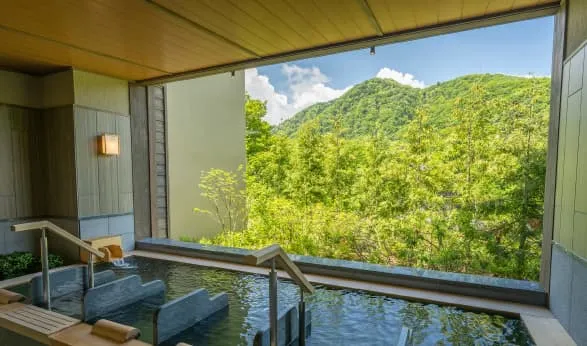
Jozankei Yuraku Soan Public Bath © dormy-hotels.com
Jozankei Yuraku Soan Public Bath © dormy-hotels.com
Jozankei Yuraku Soan Public Bath © dormy-hotels.com
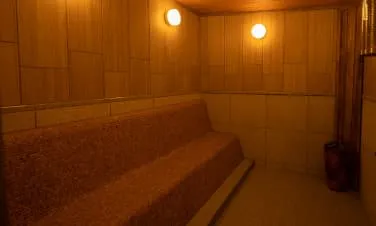
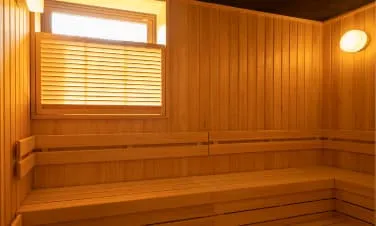
Jozankei Yuraku Soan Public Bath © dormy-hotels.com
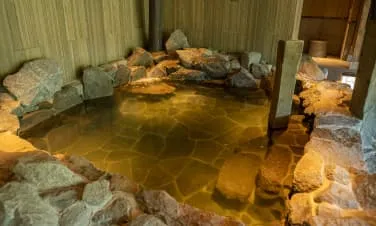
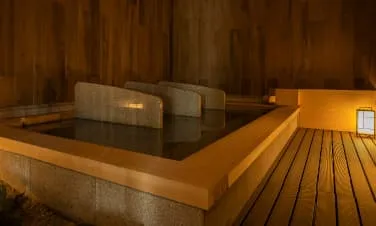
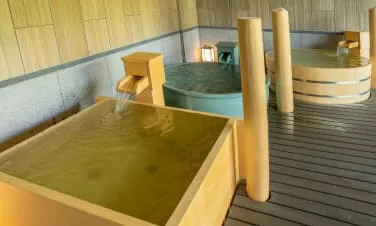
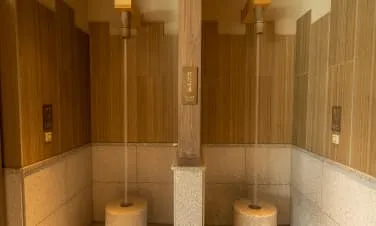
Since Jozankei Yuraku Soan is a ryokan, the hot springs are arguably the most important facility. First, the main public bath (daiyokujo) is located on the B1 floor. The men’s and women’s baths are entirely separate and identical in layout, so they don’t swap overnight like in some ryokans—they remain fixed. The public bath is open from 3:00 PM to 10:00 AM the next day, though it is closed for cleaning from 3:00 AM to 5:00 AM. Yuraku Soan’s public bath is truly excellent, featuring a variety of themed baths, including several outdoor open-air baths and saunas. Aside from the fact that couples can’t bathe together, the public bath is vastly superior to the complimentary private baths in every way. If you really want to experience a proper hot spring, I recommend treating the private baths as just a quick sampler and spending most of your time enjoying the main public bath.

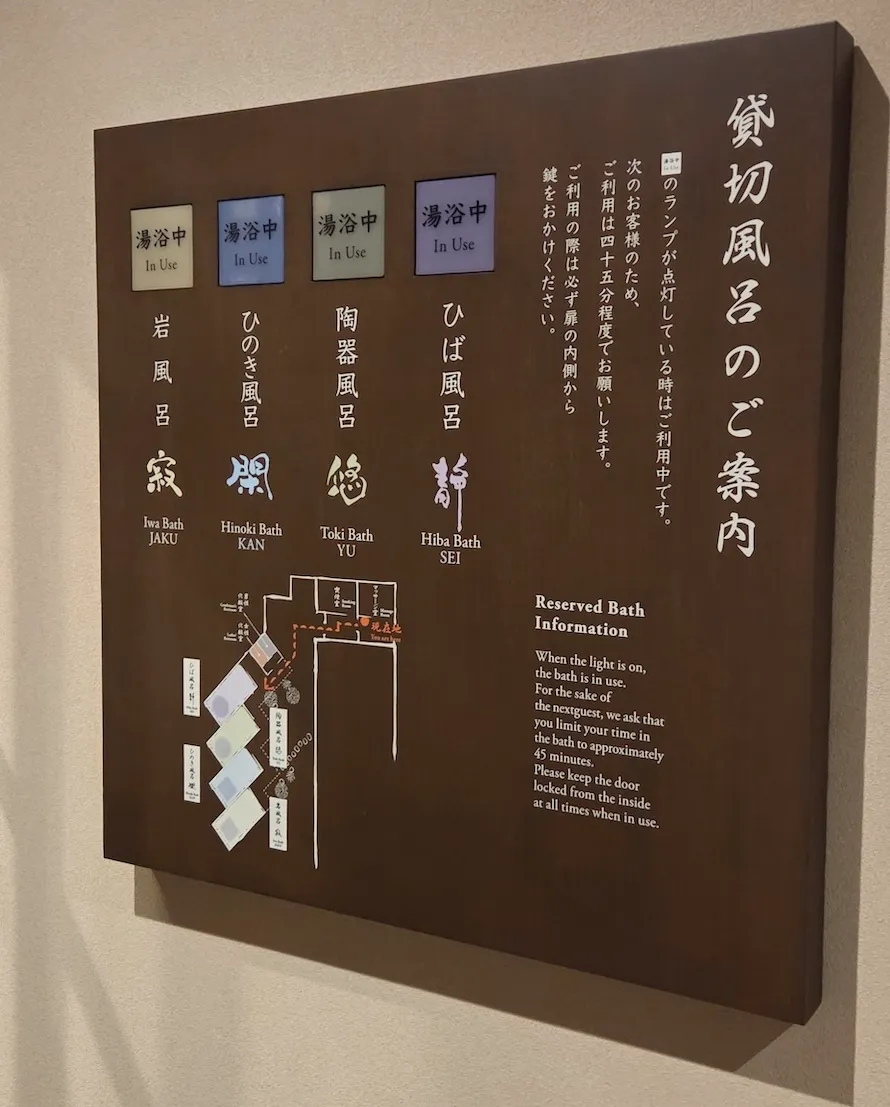

Way to Jozankei Yuraku Soan Private Baths
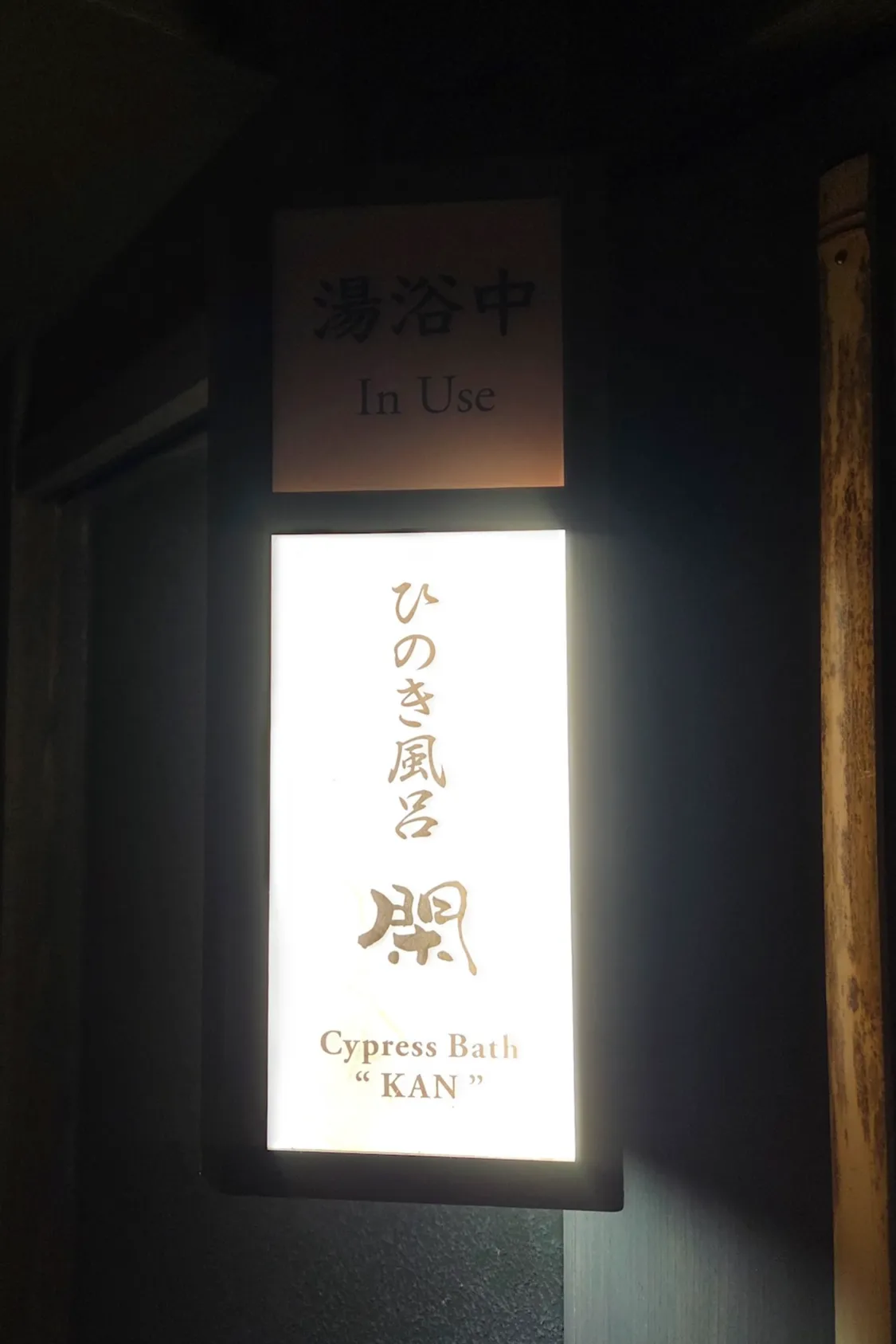
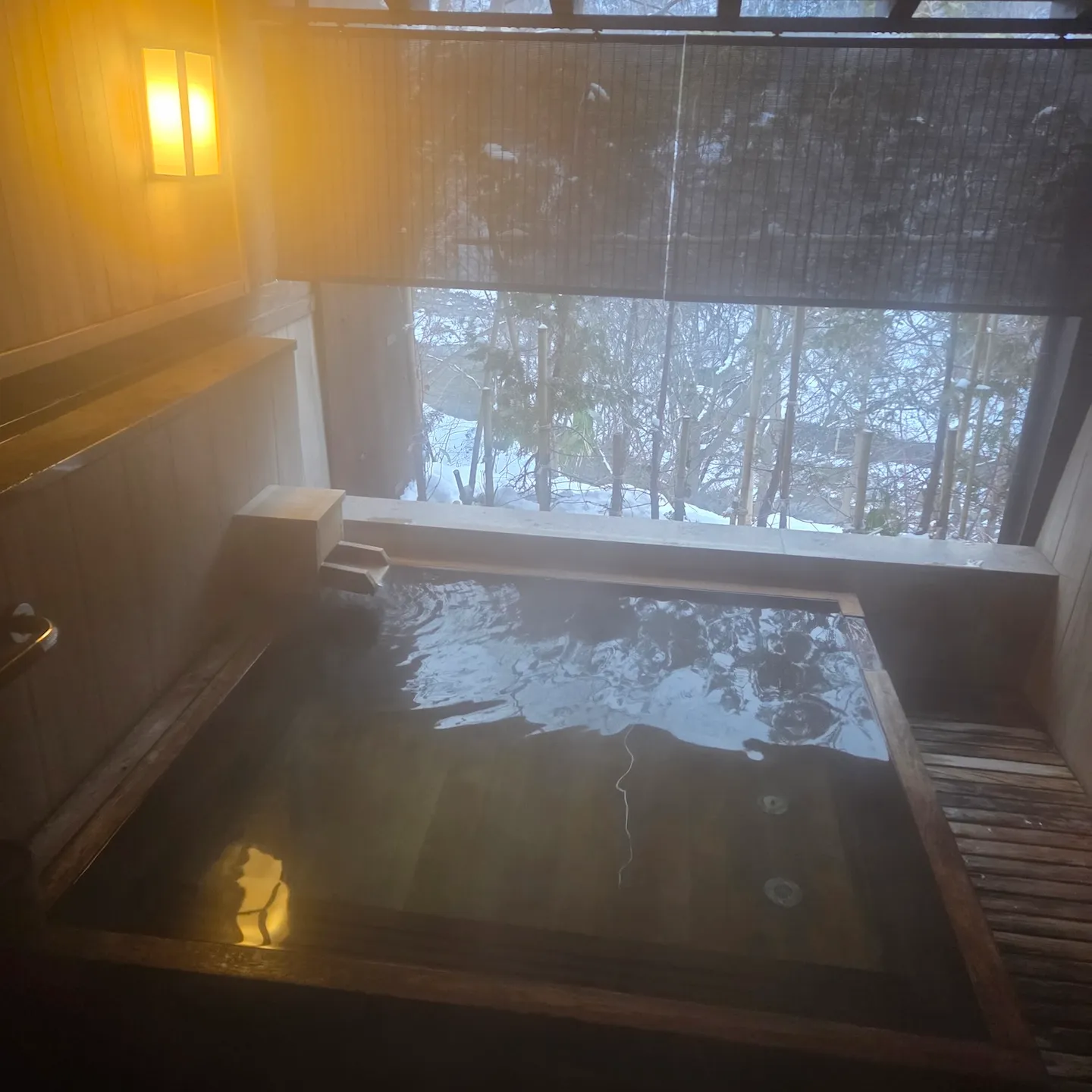
Jozankei Yuraku Soan Private Hinoki Bath

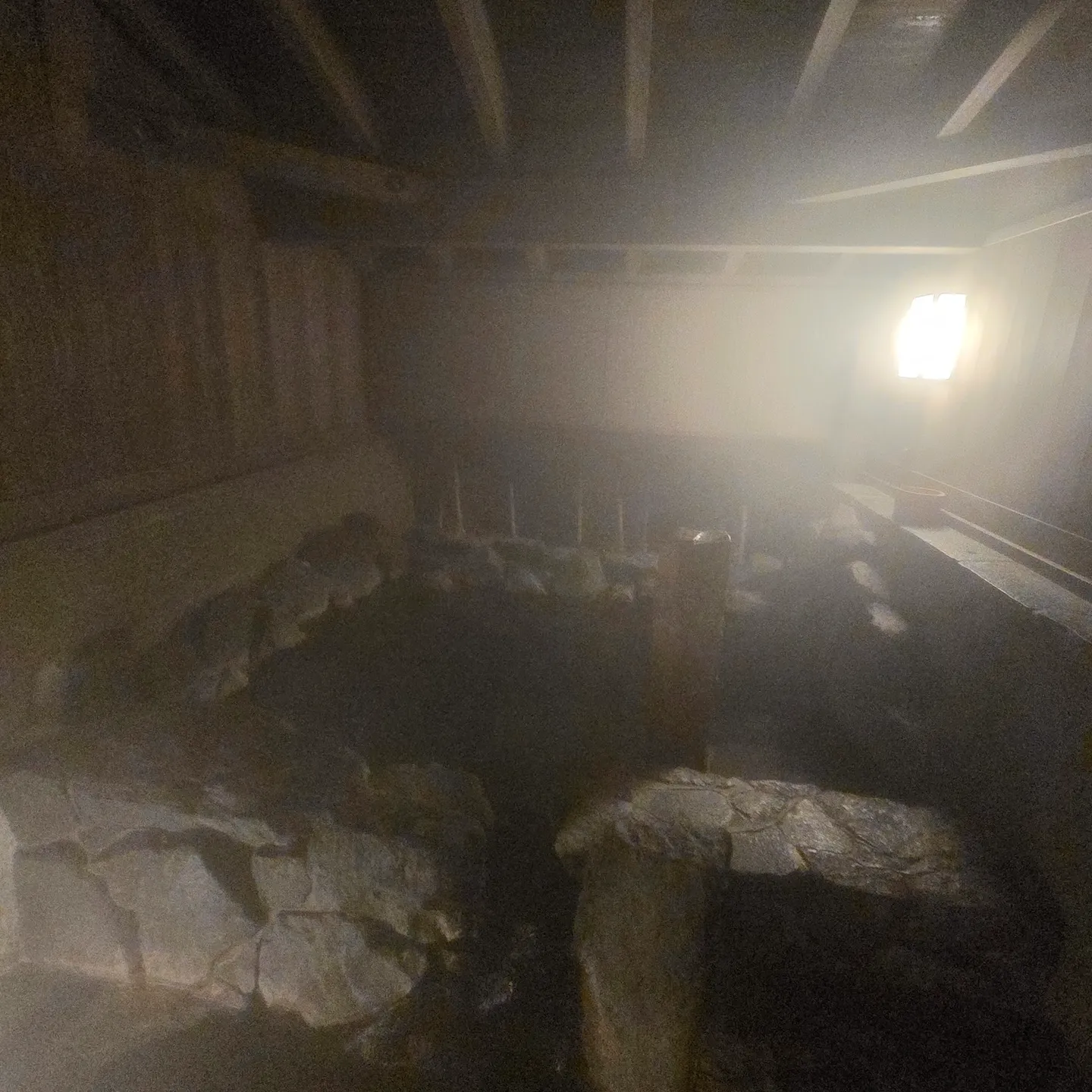
Jozankei Yuraku Soan Private Stone Bath

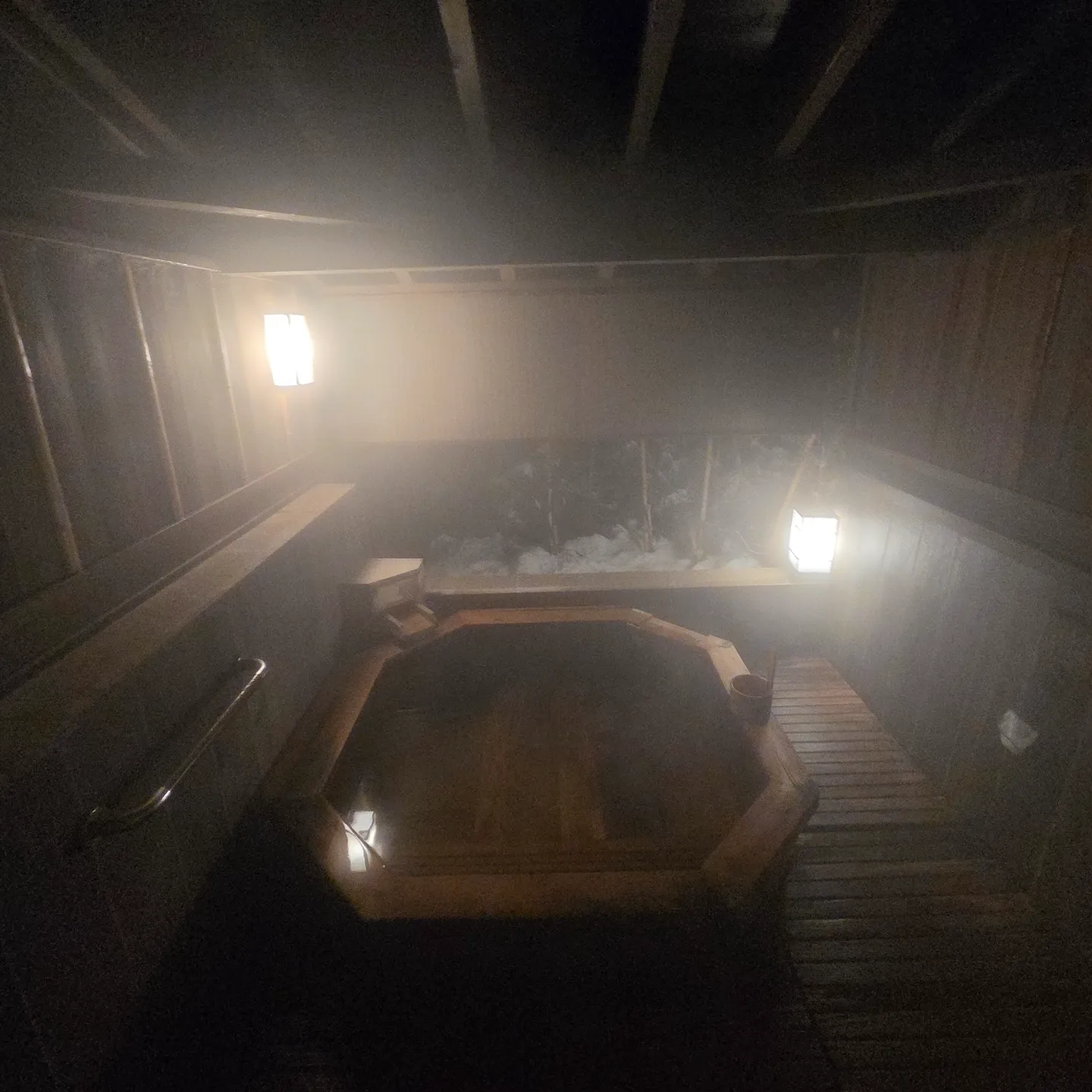
Jozankei Yuraku Soan Private Hiba Bath
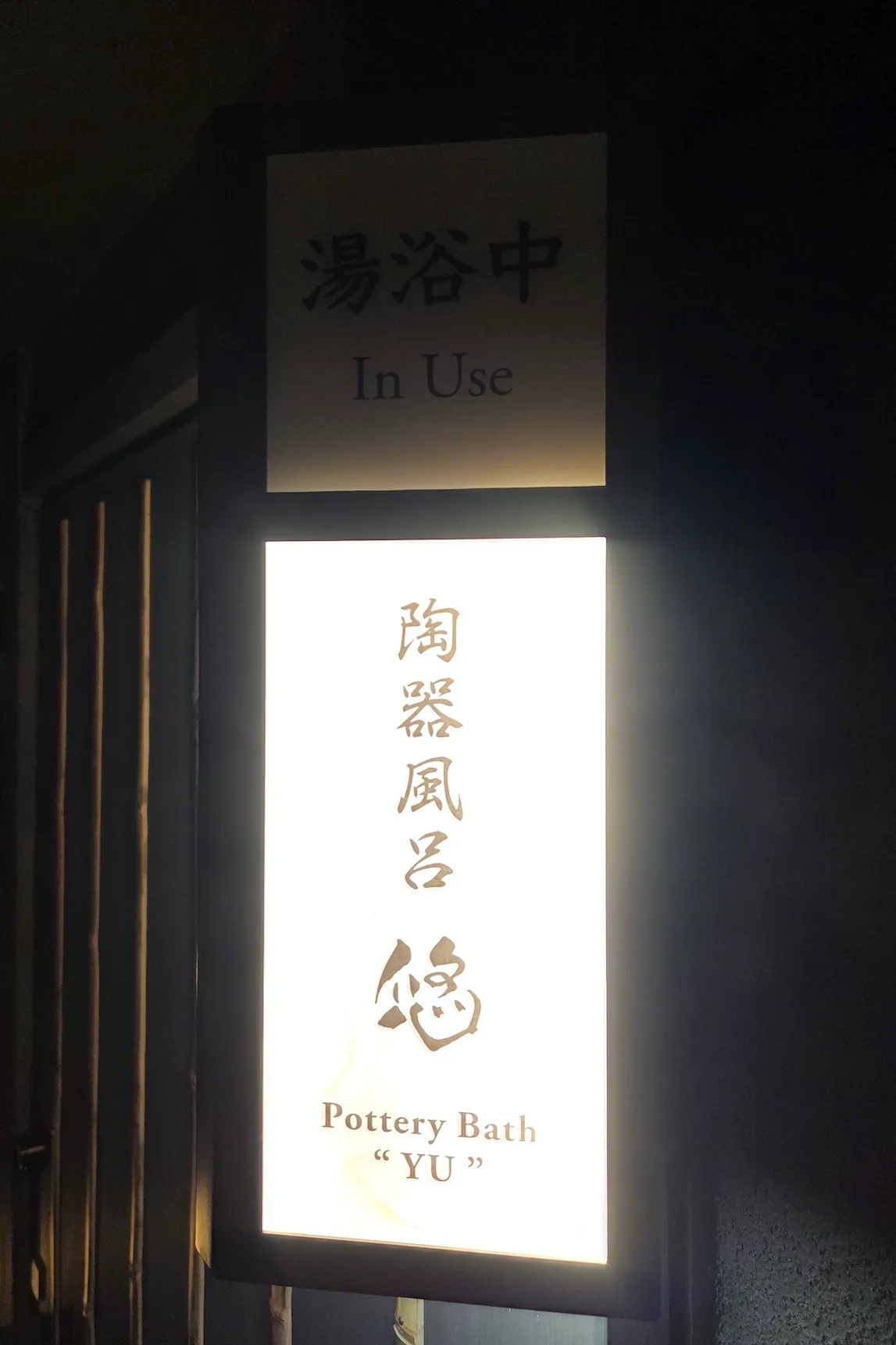
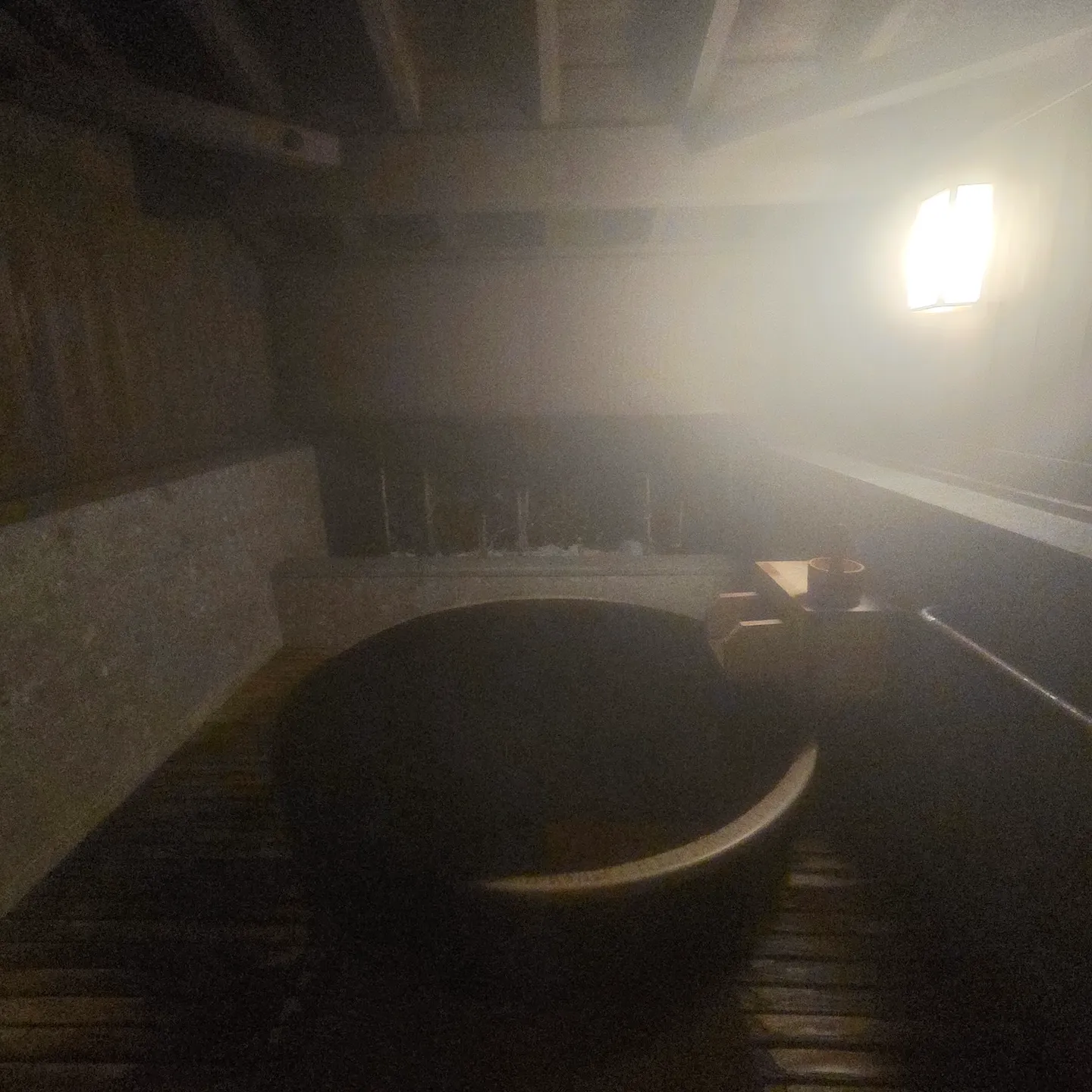
Jozankei Yuraku Soan Private Ceramic Bath
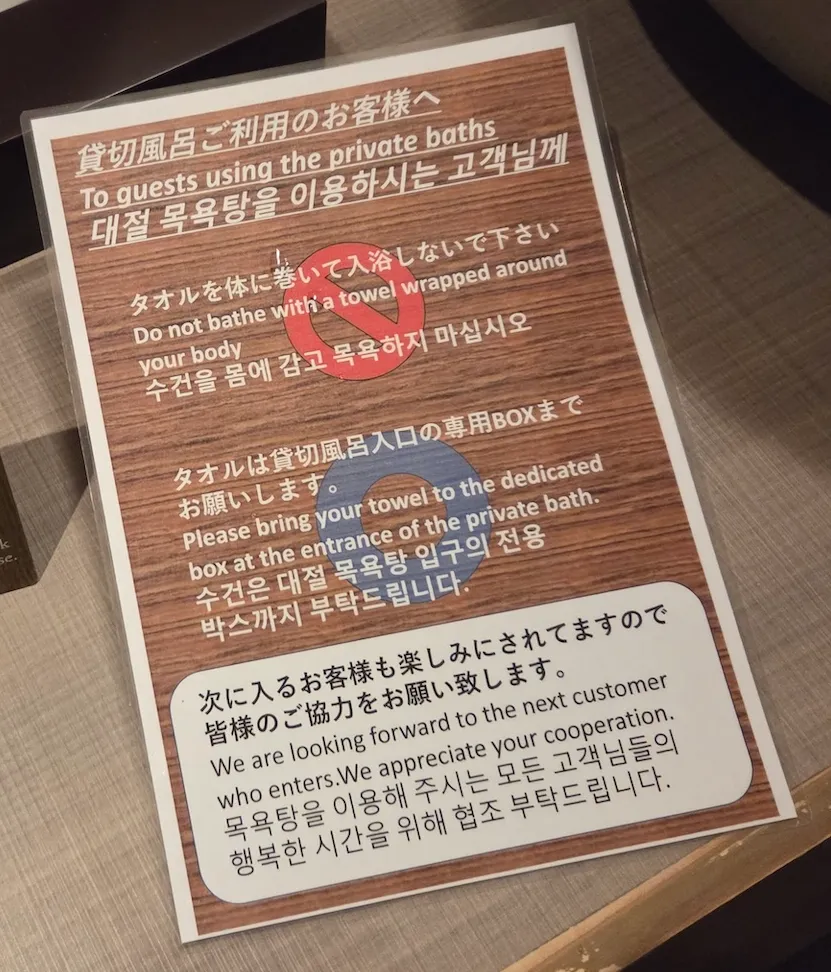
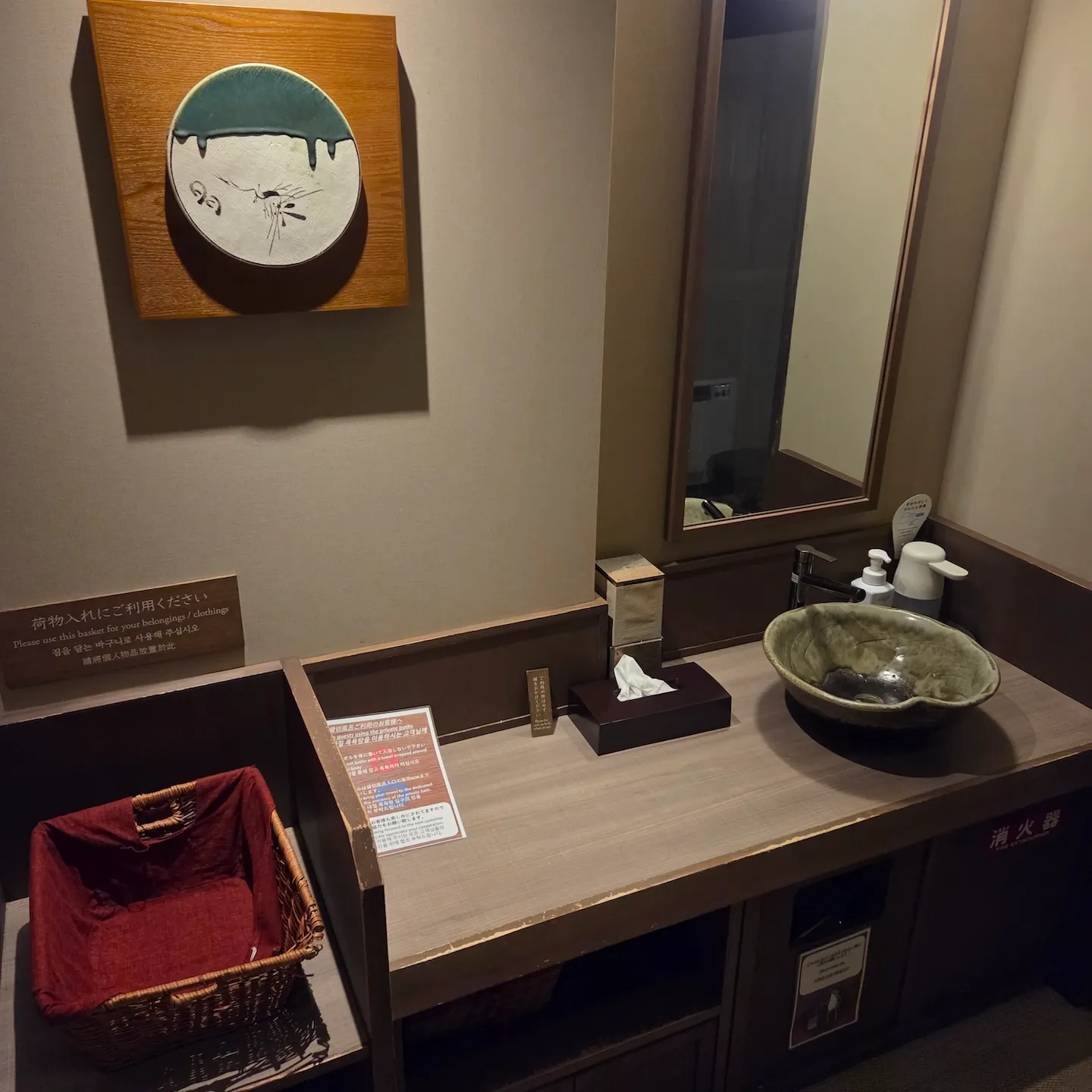

Jozankei Yuraku Soan Private Bath Facilities
However, since couples traveling together naturally want to enjoy the hot springs together, the private baths (kashikiri-buro) are incredibly popular. Jozankei Yuraku Soan has four private baths: the Stone Bath, Hinoki (Cypress) Bath, Hiba (Cedar) Bath, and Ceramic Bath. No reservations are required—you simply check the status board on the way to the baths and enter whichever one is vacant. The maximum usage time is 40 minutes. Because the private baths don’t have shower facilities, you must shower in your room or at the public bath beforehand. You can usually walk right into a bath without waiting right after check-in (around 3:00-4:00 PM) and late at night into the early morning (midnight to 6:00 AM). I used a private bath once right after check-in and managed to try all the others around 4:30 AM. The Stone Bath is the most popular, but I personally loved the Hinoki Bath, which enveloped me in the scent of cypress wood as soon as I walked in. Always make sure you lock the door properly when using a private bath. I once opened a door because the sign said it was vacant, only to hear someone inside yell, “Someone’s in here!” in Korean, forcing me to quickly retreat. I swear the sign said it was open!
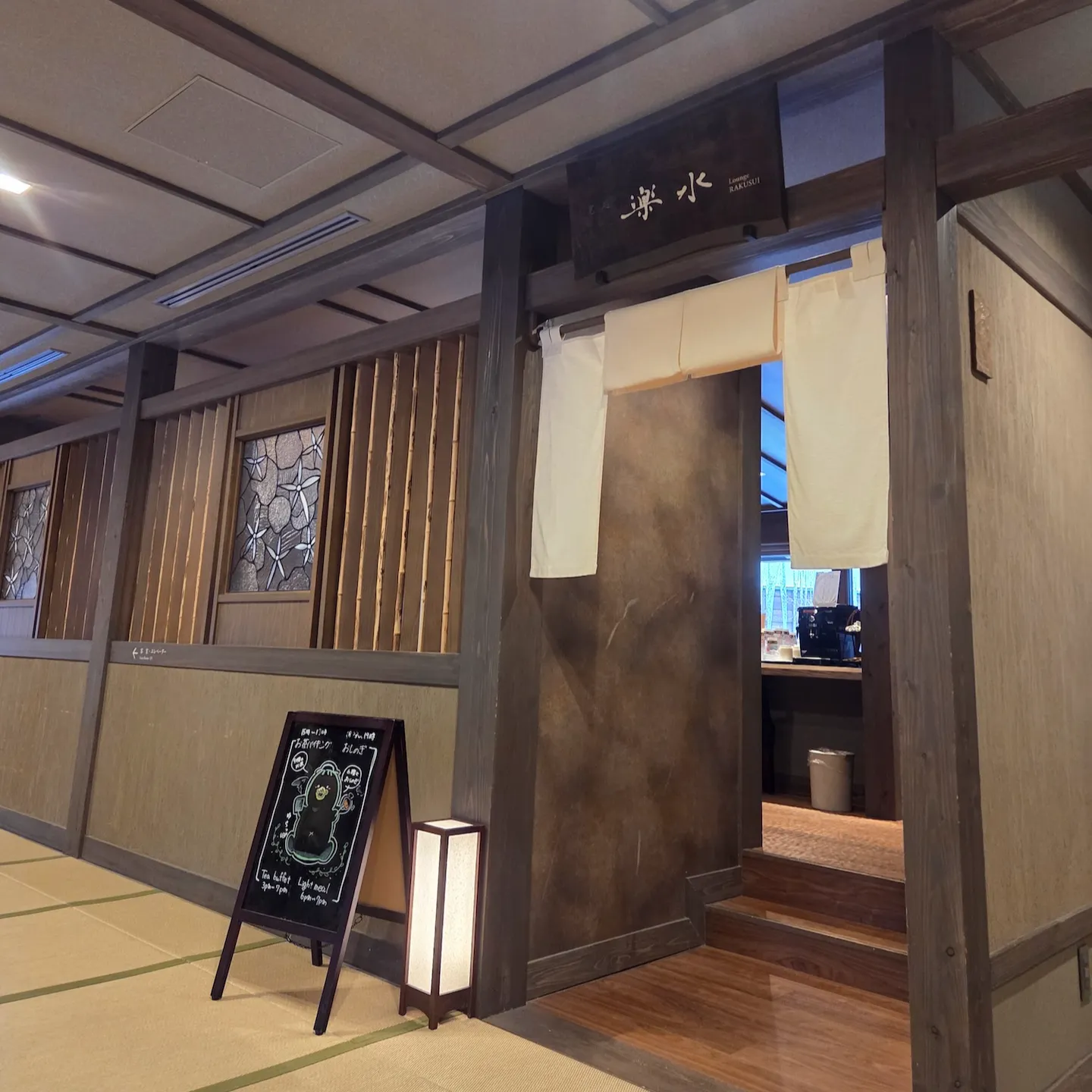
Jozankei Yuraku Soan Tea Buffet
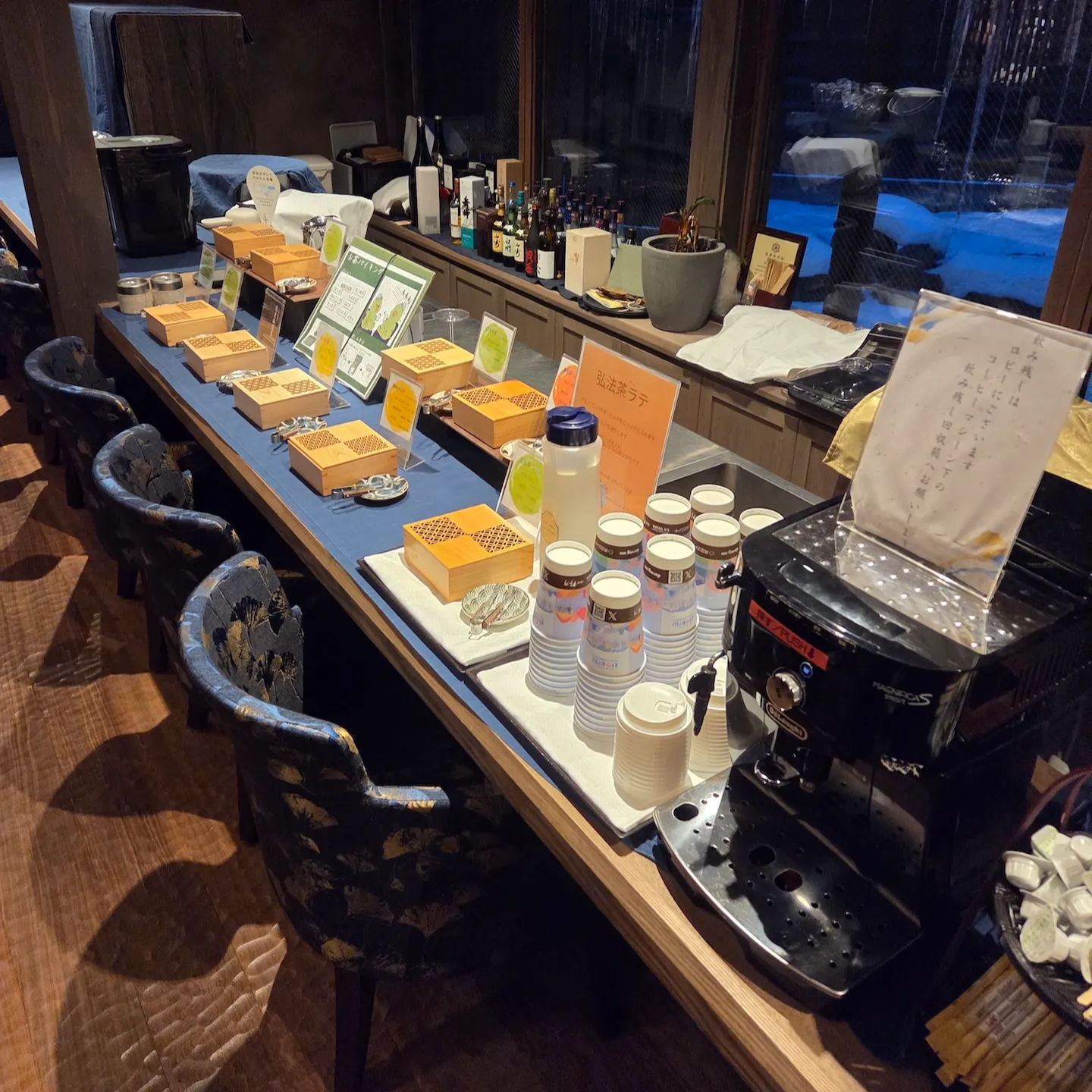
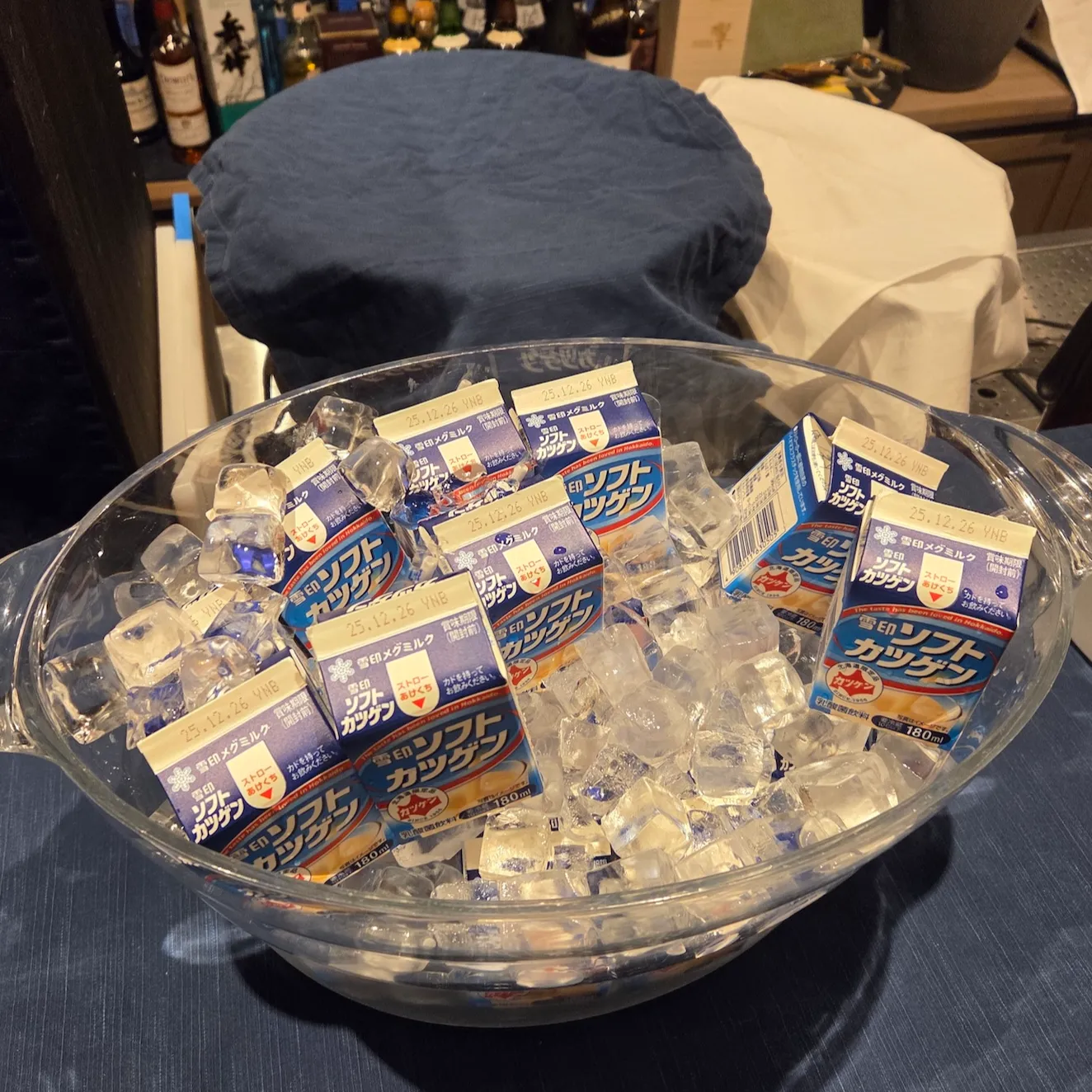
Next to the yukata corner by the 1st-floor check-in desk is a bar called Rakusui. It’s not an alcohol bar, but rather a spot where you can enjoy tea and snacks at designated times. From 3:00 PM to 7:00 PM, you can enjoy a tea buffet, and from 6:00 PM to 7:00 PM, they serve french fries made from Hokkaido potatoes. The tea buffet offered various options like buckwheat tea, burdock matcha, dashi tea, black bean tea, and ginger black tea. Surprisingly, standard matcha wasn’t available, leading to some disappointed guests who had come expecting it. The tea selection isn’t always fixed and changes daily, so it’s a nice place to relax with a cup of tea and soak in the ryokan atmosphere. Note that during the tea buffet, they also offer probiotic dairy drinks, making it a great place to stop by after an early soak in the private baths.

Jozankei Yuraku Soan Lounge Zen Interior


Jozankei Yuraku Soan Lounge Zen Snacks
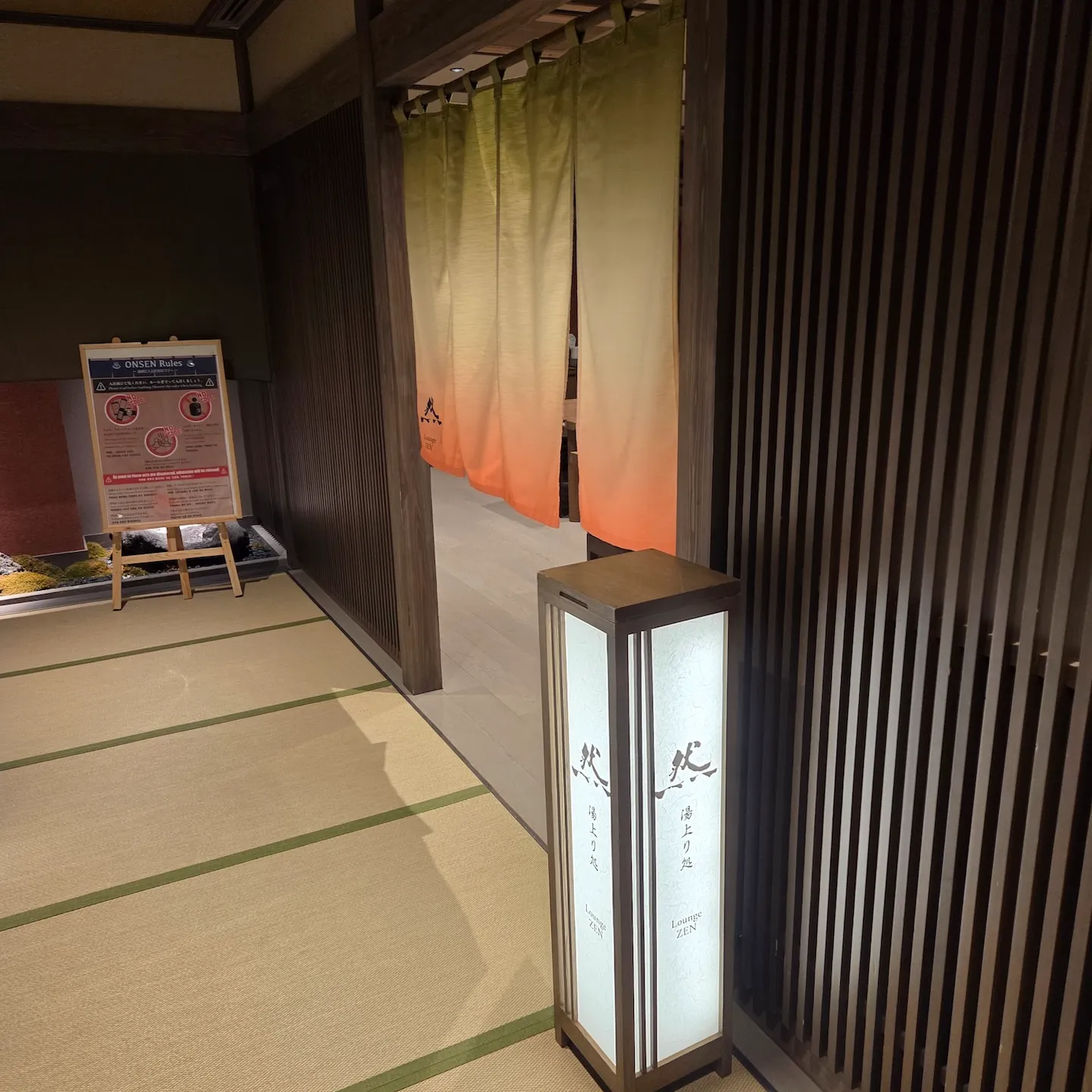
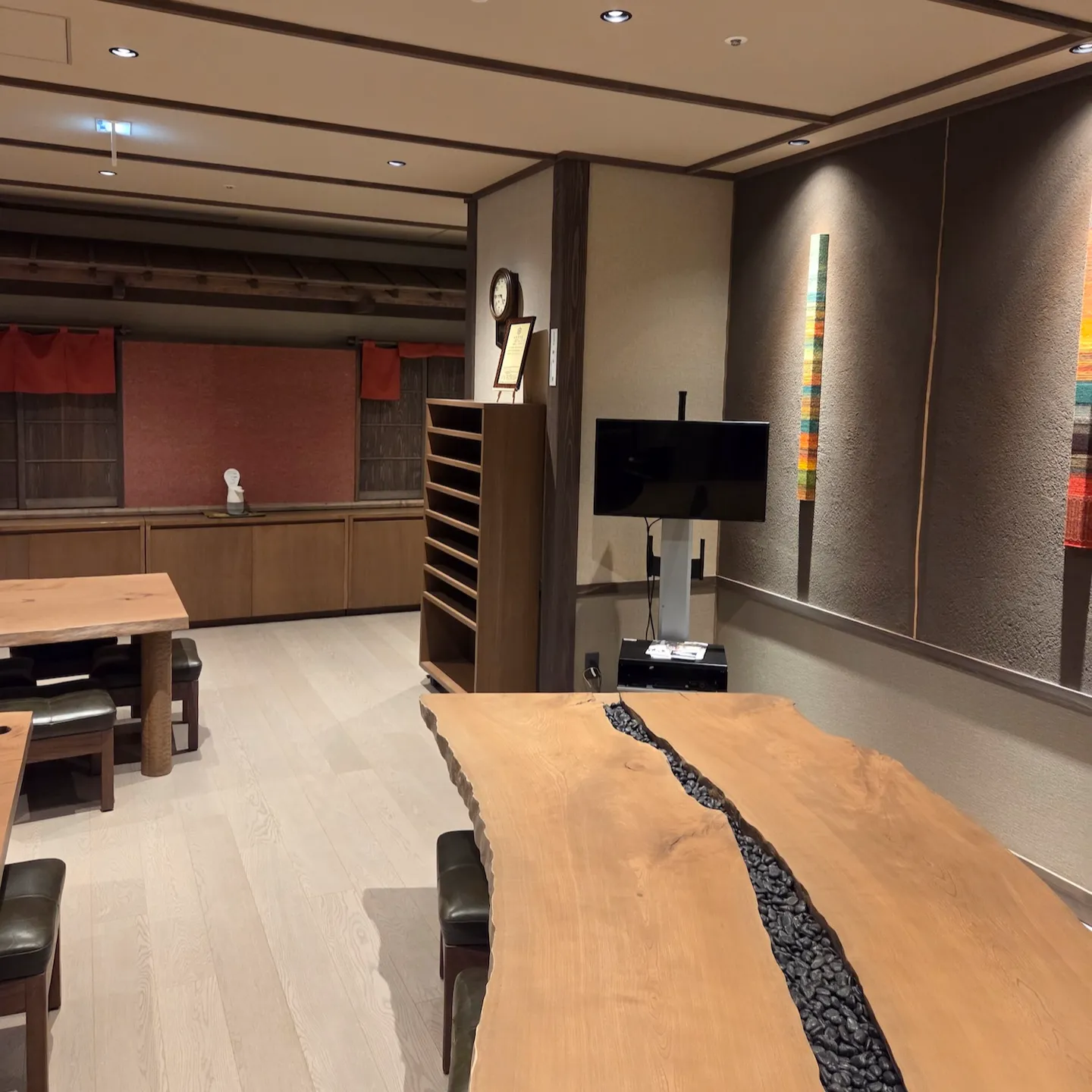
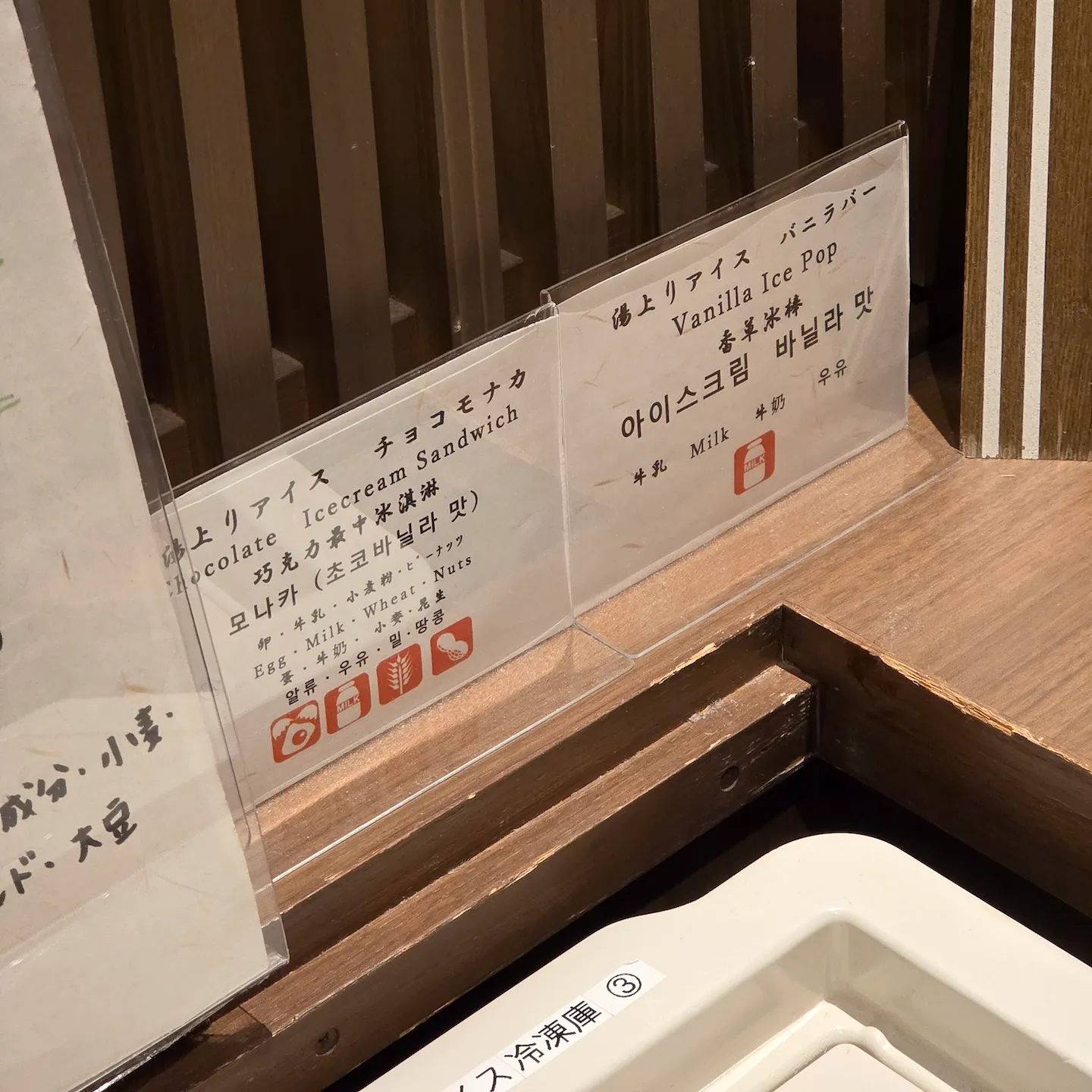
On the B1 floor, where the public baths are located, there is also a lounge called Zen. It features large tables and chairs, making it a great spot to cool down after a bath. Between 3:00 PM and 10:00 AM the next day, free ice cream is available, including Hershey’s chocolate-vanilla monaka and vanilla ice bars, which are commonly found in Japanese hot springs. From 5:00 AM to 10:00 AM the morning after check-in, you can also enjoy free probiotic dairy drinks. The yogurt provided at Yuraku Soan is Soft Katsugen, a Hokkaido-exclusive brand known for its rich, sweet, and tart flavor. I found it so delicious that I drank it multiple times.

Jozankei Yuraku Soan Lounge Zen Late-Night Snack
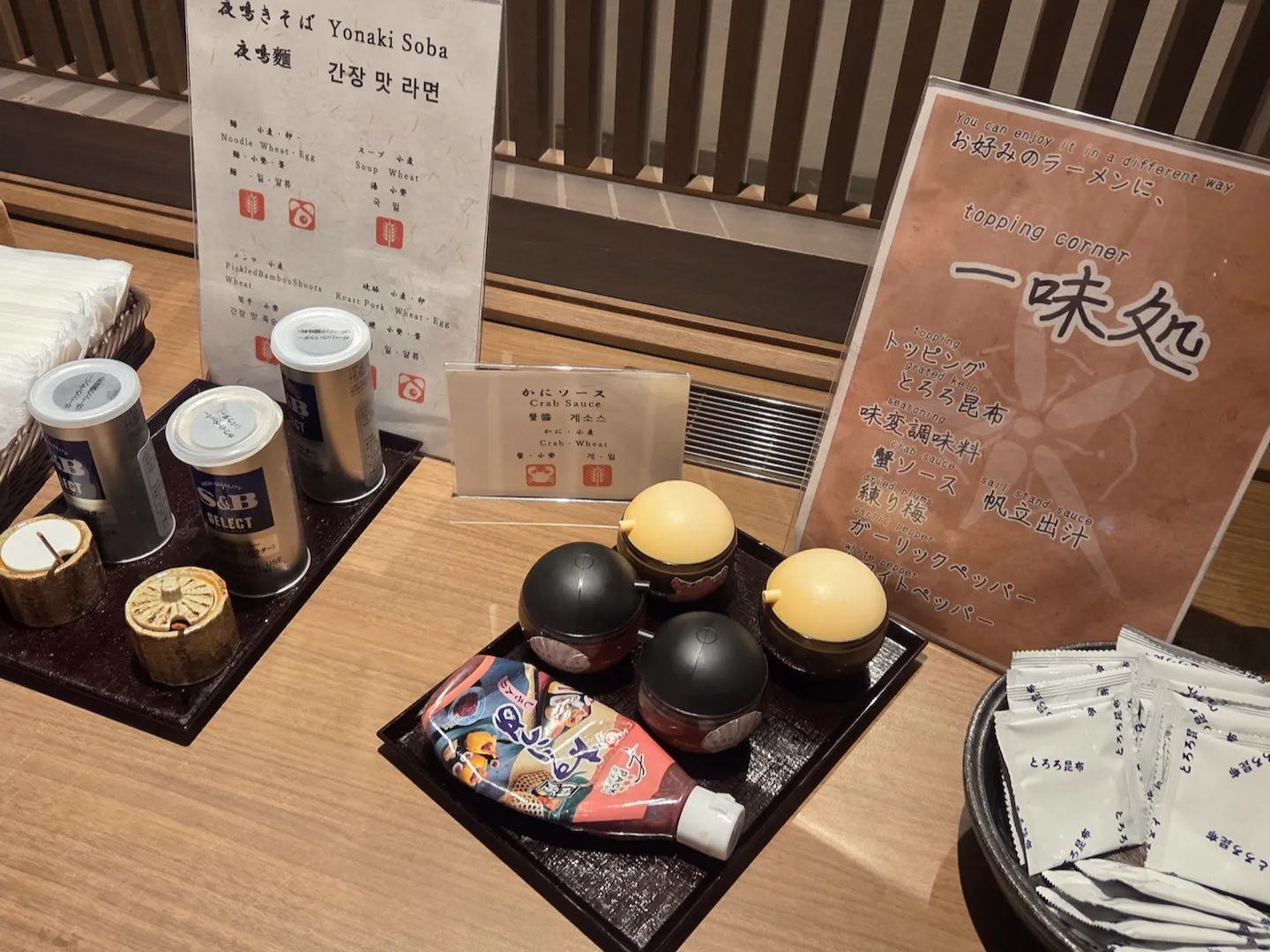
In Lounge Zen, complimentary ramen is also served for an hour from 10:00 PM to 11:00 PM. The ramen, known as Yonaki Soba, is a soy sauce-based dish. Despite being a free snack, it comes with standard toppings like bamboo shoots, char siu (braised pork), seaweed, and green onions. Extra toppings like kelp, crab sauce, and garlic pepper are also available to add to your liking. It was clean and not too greasy—the perfect bowl of ramen for a late-night snack.

Jozankei Yuraku Soan Spa Menu and Entrance
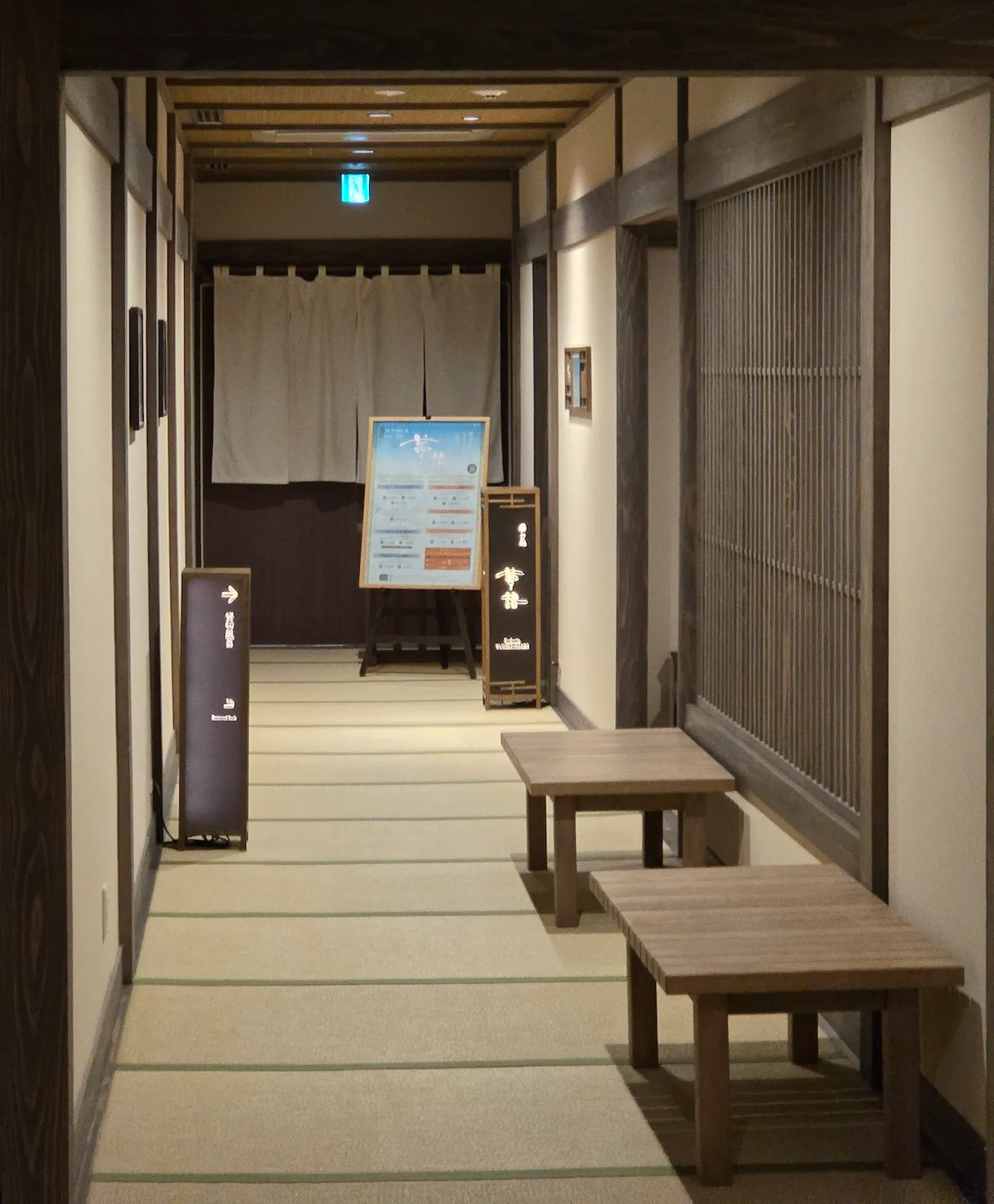
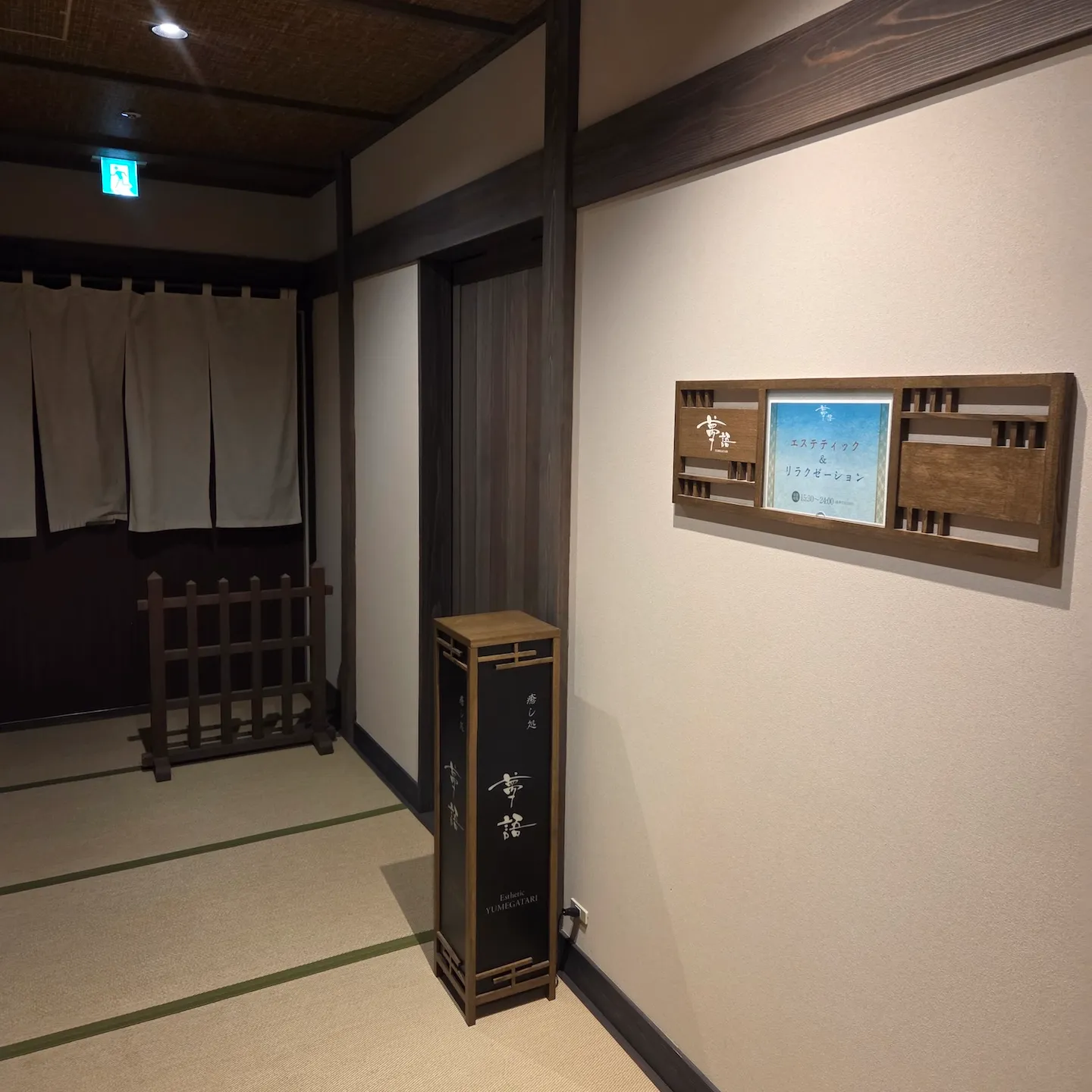
Inside, on the way to the 1st-floor private baths, there is a spa. The spa operates from 3:30 PM to midnight, and you must arrive by 11:00 PM to use it. I received a spa menu during check-in, and I found the prices quite competitive. Of course, it’s a bit more expensive compared to Southeast Asia, but a 60-minute body massage costs 9,900 JPY (about 91,000 KRW). Considering you can relieve your fatigue in the hot springs and get a massage, I thought it was a very reasonable price. I booked the 60-minute body massage, and the therapist was highly skilled—applying the perfect amount of pressure without causing pain to accurately target tight muscles. Getting a massage and then soaking in the bath made me feel like I could melt right into my bed. Keep in mind that there aren’t many therapists, so I recommend booking your session right after check-in to secure your preferred time.
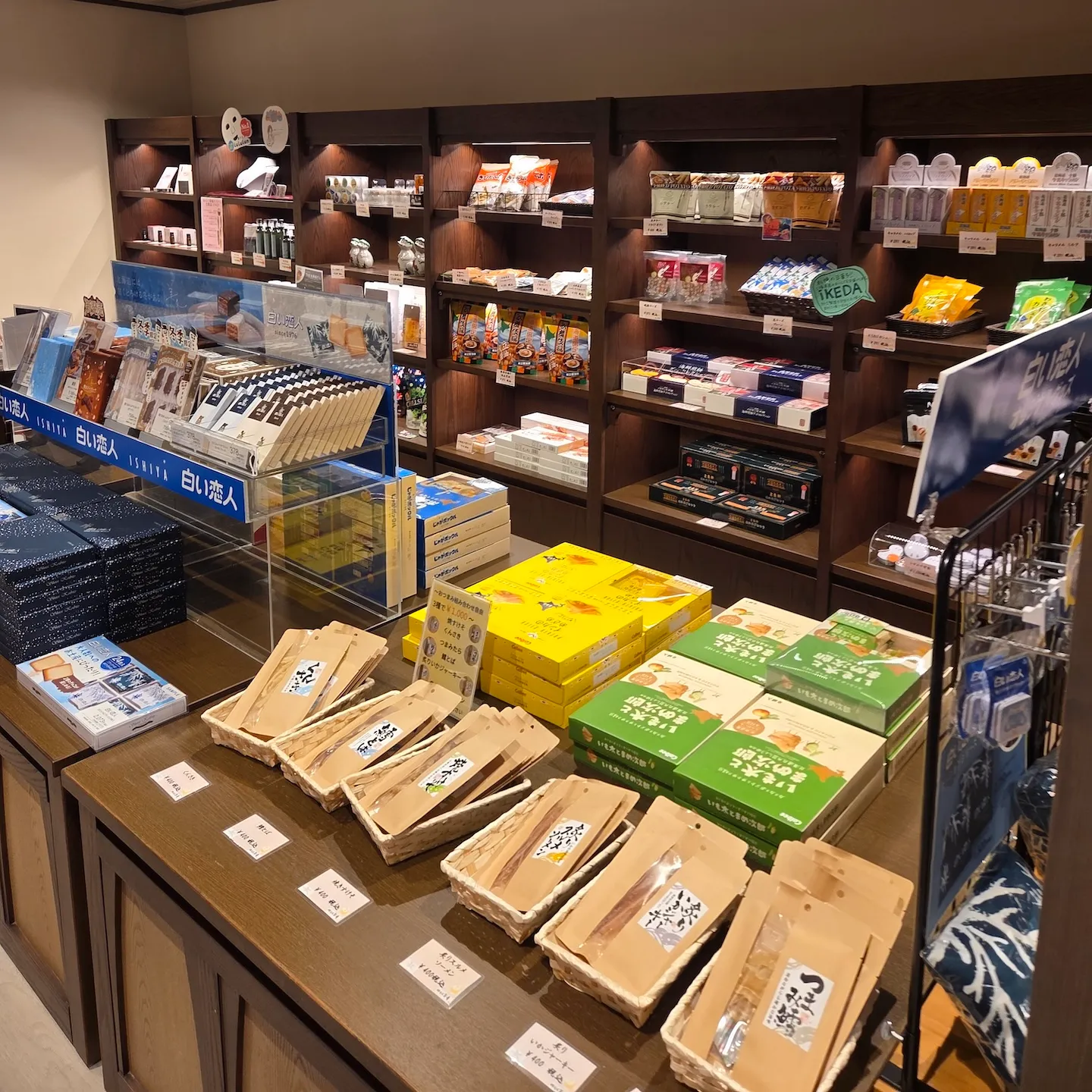


Jozankei Yuraku Soan On-site Store
Next to the 1st-floor lobby lounge, there is an on-site store where you can buy Hokkaido specialties. While some items can be easily found in other stores across Hokkaido or Sapporo, there were a few unique products that seemed hard to find outside of Yuraku Soan, so it’s not a bad idea to buy something here if it catches your eye. I ended up buying cypress wood essence and a passive diffuser—where you naturally vaporize the scent by dropping a few drops of essence onto the wood—and I’ve been using it happily ever since.
11. Staff & Service
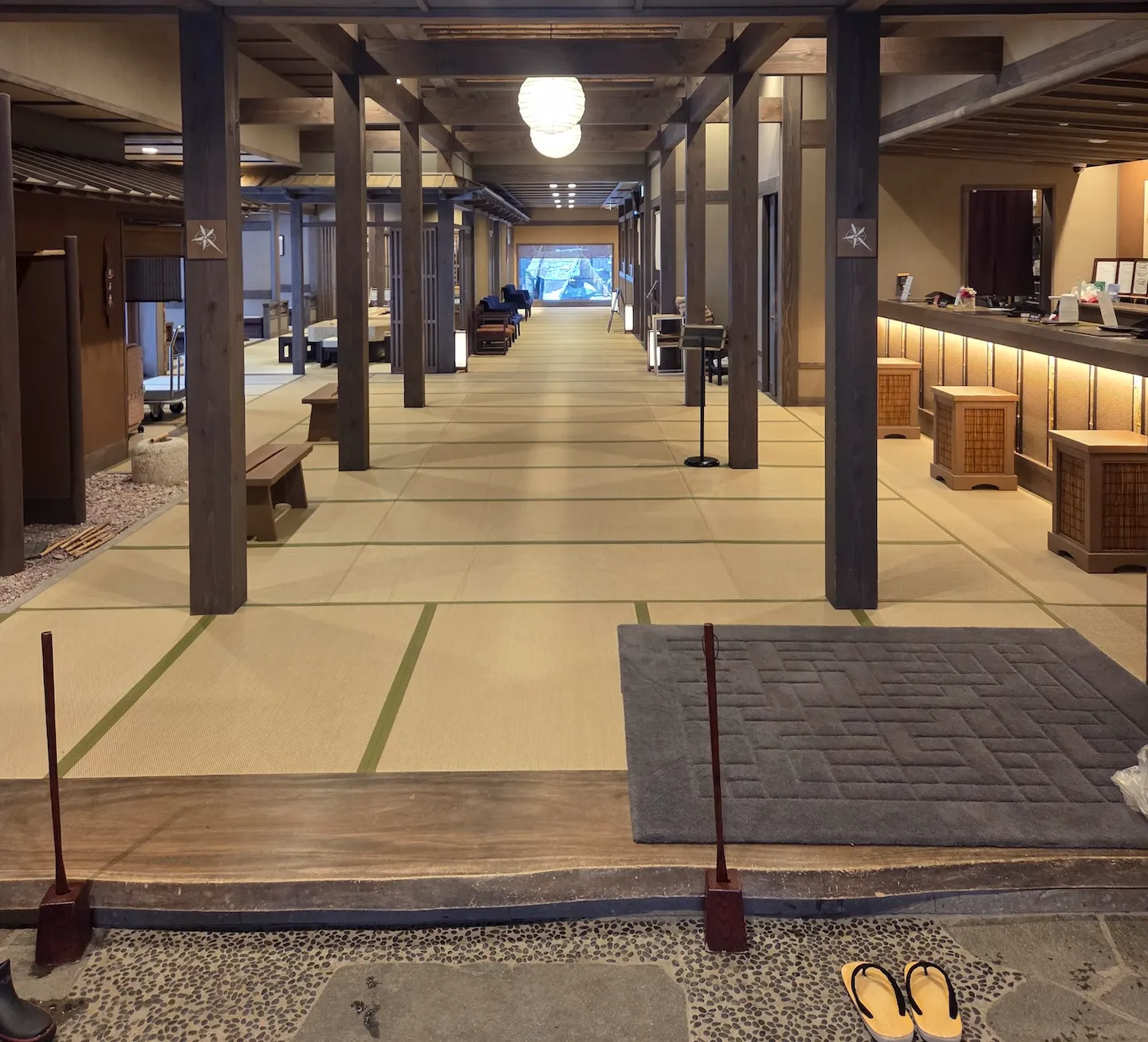

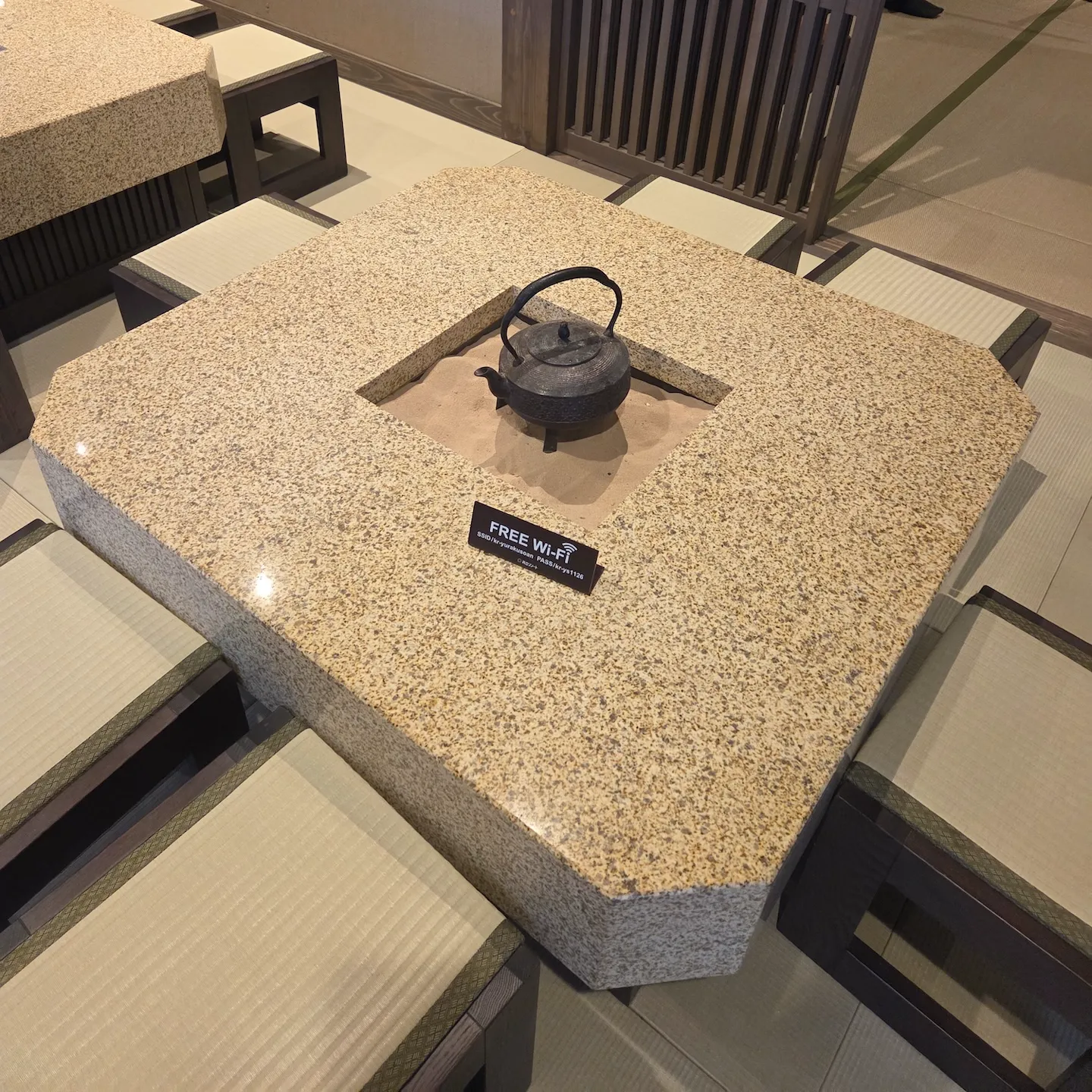
Jozankei Yuraku Soan Lobby Lounge Relaxation Area
Given that this is a relatively high-end ryokan in Japan, all the staff were very friendly. However, despite their friendliness, the food and beverage outlets seemed understaffed, which made the service feel a bit disjointed. Also, since Jozankei is a relatively rural area in Hokkaido, you should keep in mind that if you don’t speak Japanese well, communicating with the staff isn’t perfectly smooth. Of course, translation apps are so good these days that it likely won’t be a major issue.
12. Additional Info
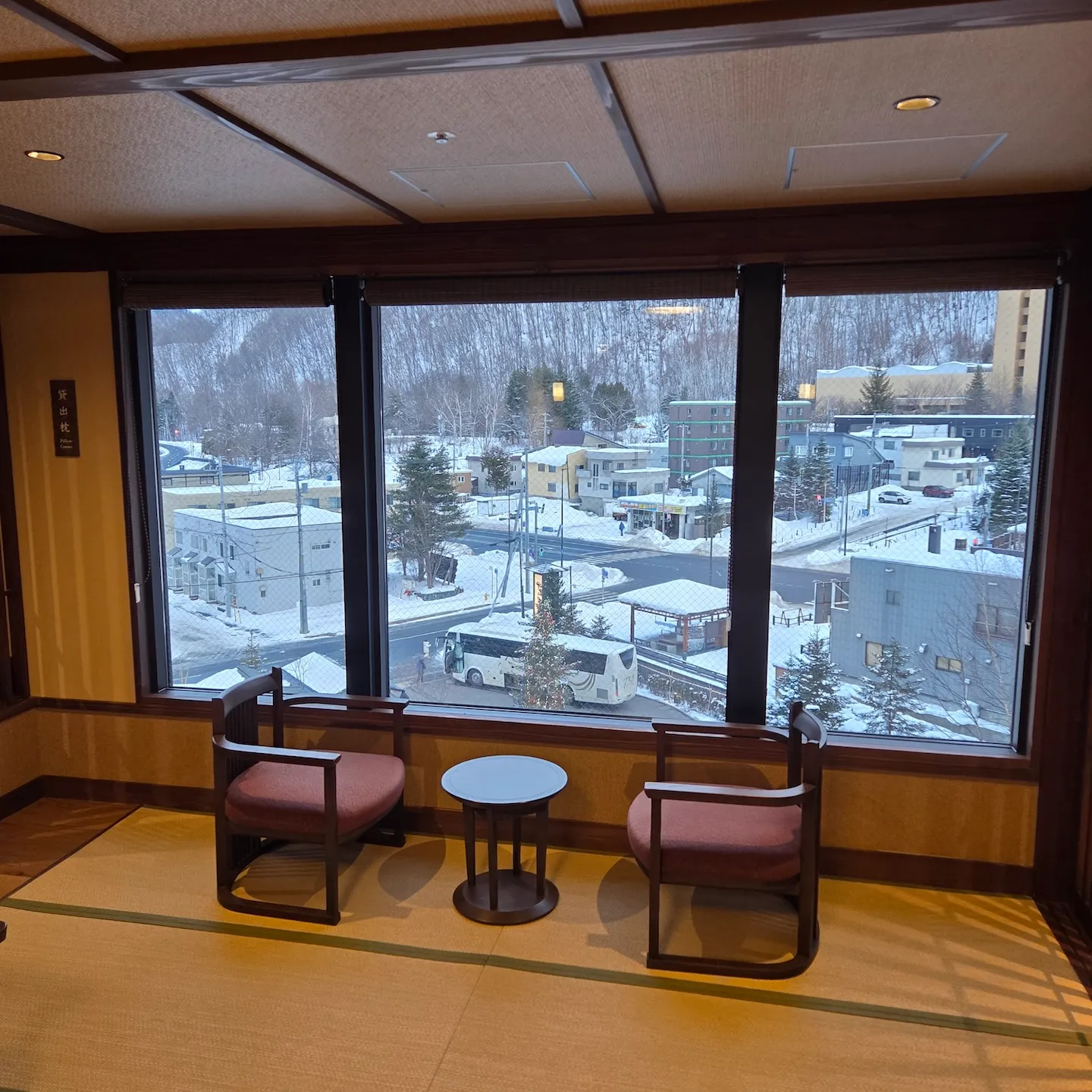
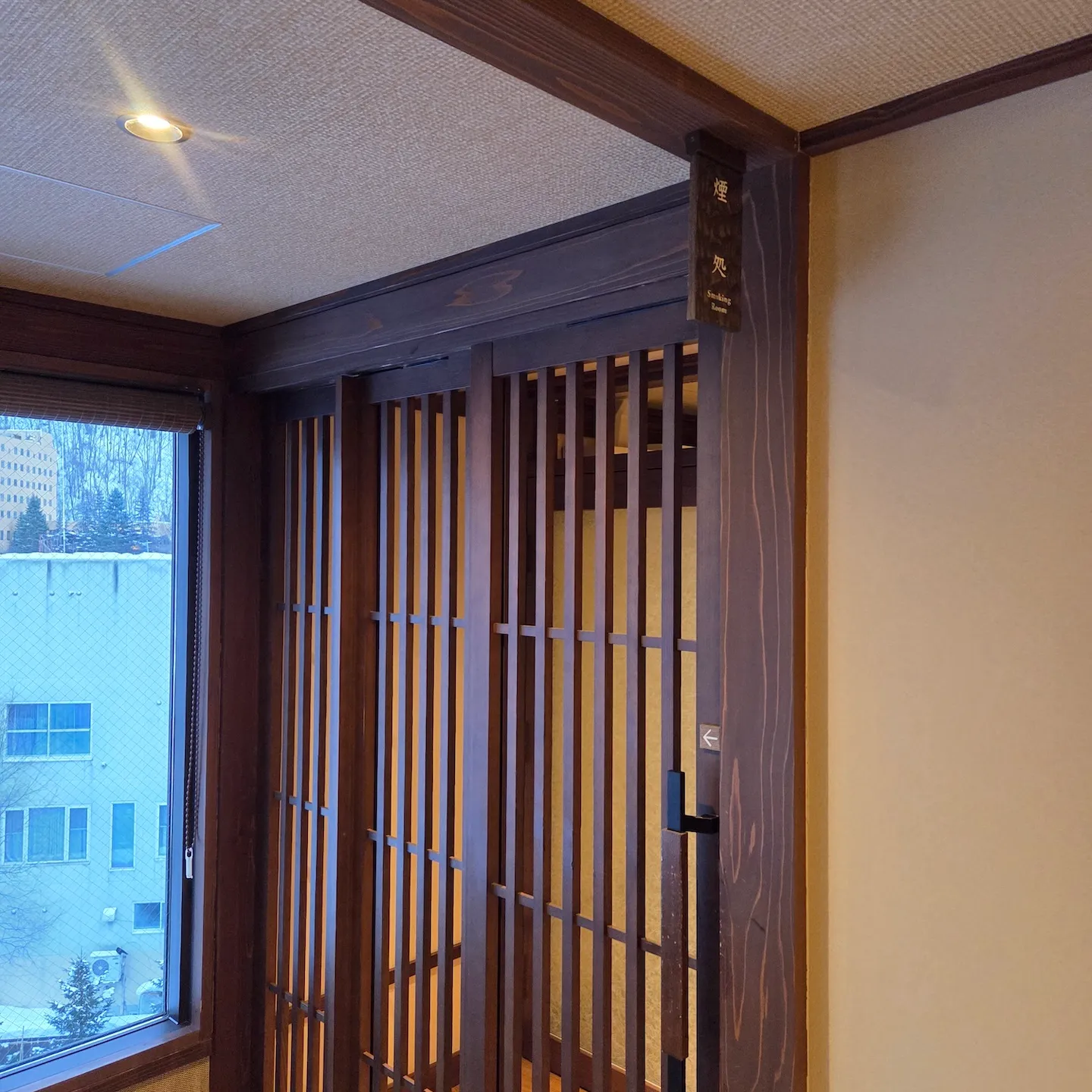
Jozankei Yuraku Soan Smoking Room
There are designated indoor smoking lounges on the 1st, 3rd, 5th, and 7th floors of Yuraku Soan, but perhaps because they aren’t well-sealed, the smell of smoke seemed to seep out easily. In fact, I could almost always smell cigarette smoke when walking to the elevator right next to the smoking lounge.
Additionally, the Deluxe Twin Room I stayed in had motion-sensor lights in the hallway. These lights were quite bright, making it uncomfortably glaring when getting up to use the bathroom in the middle of the night. I might not have found the switch to turn them off, but since you have to pass through the hallway to reach the bathroom, the sensor light inevitably turns on, which was quite a disappointing layout design. A soft indirect light illuminating just the floor would have been more than enough.
13. Final Thoughts
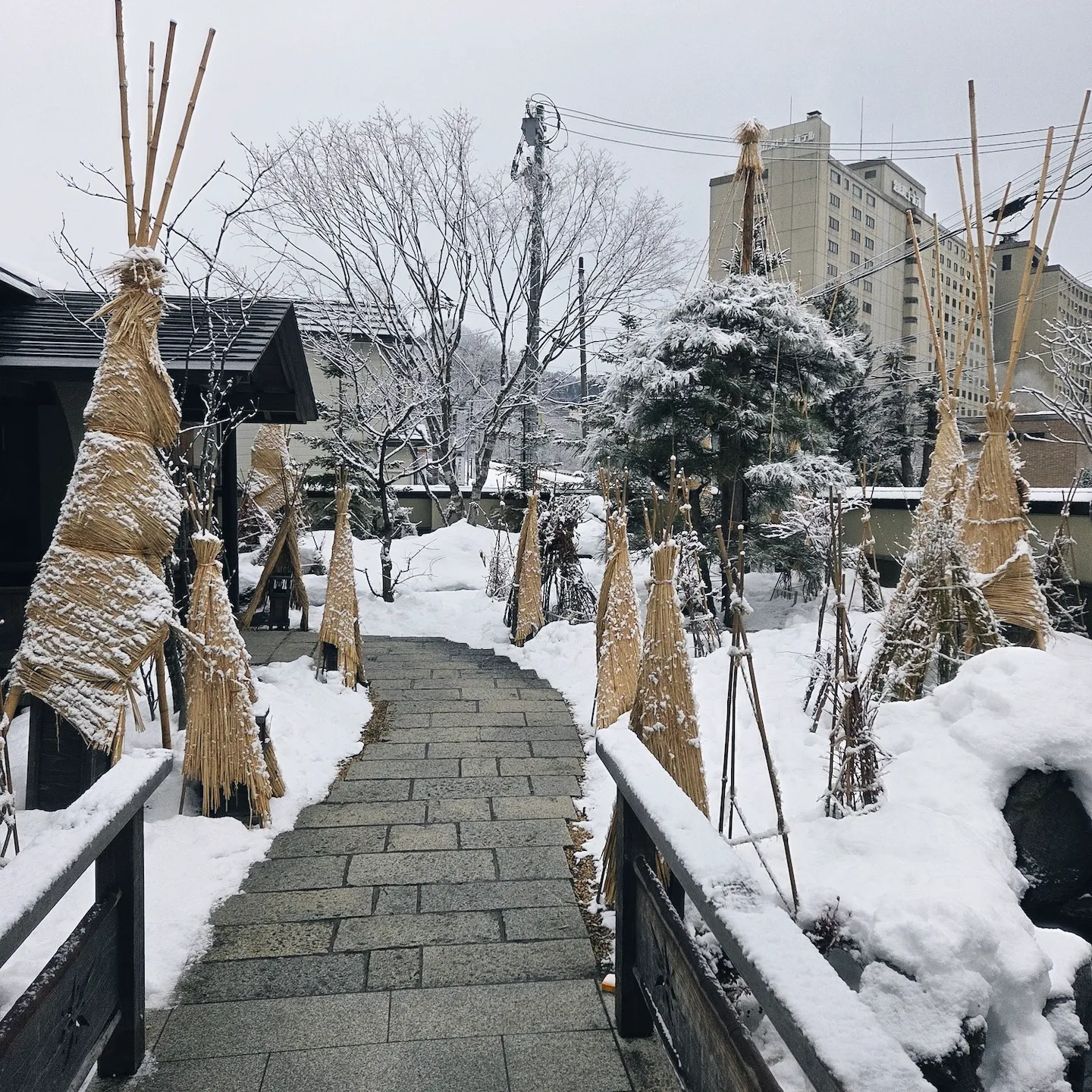
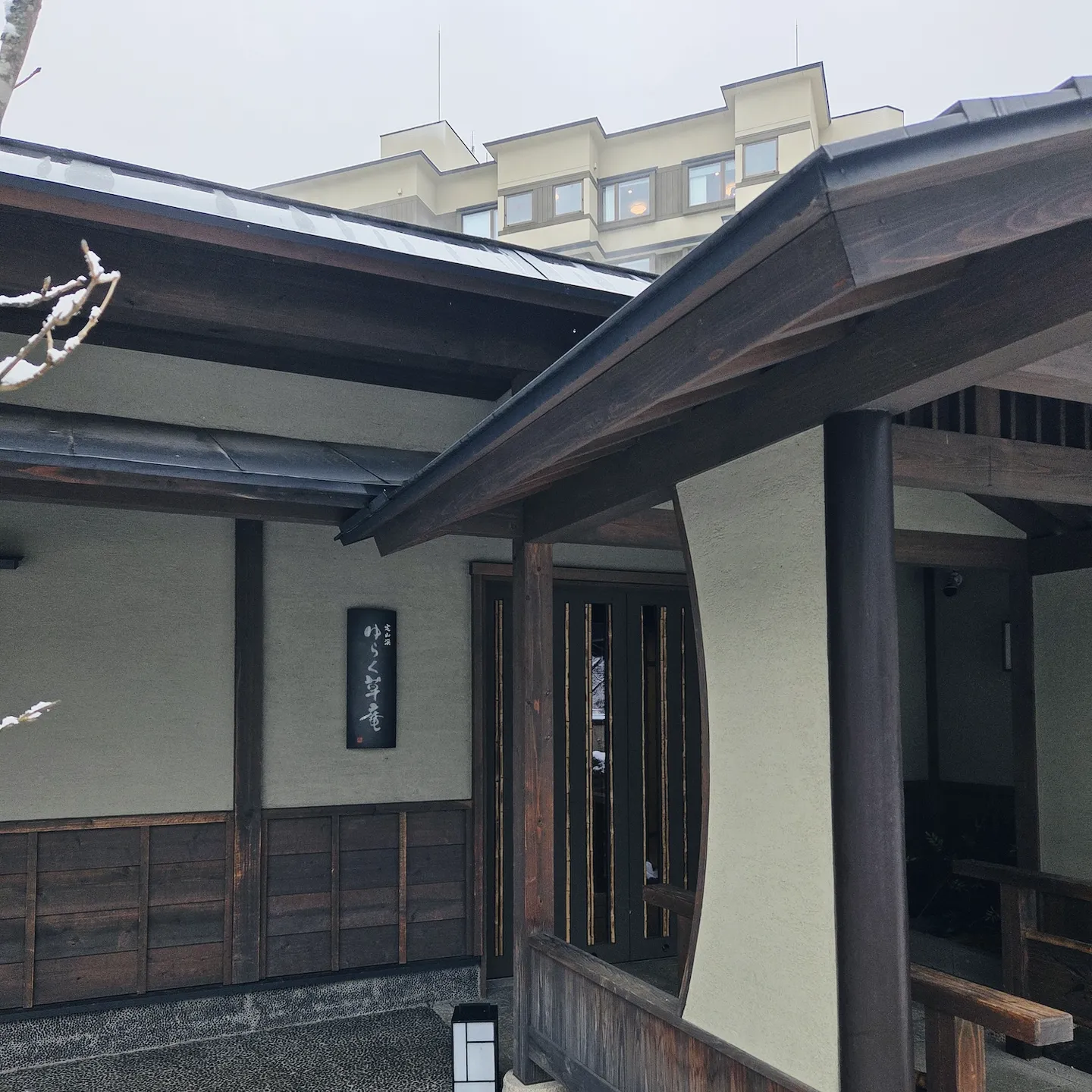

Jozankei Yuraku Soan Exterior
Jozankei Yuraku Soan might not be the absolute best at everything, but it is a well-rounded, excellent modern ryokan that lacks nothing essential. For those who are hesitant about old buildings or dated rooms typical of some traditional ryokans, Yuraku Soan—which opened just about three years ago—is a fantastic modern alternative. The public baths, which are the most important part of any ryokan, were exceptionally good, and the private baths were nice as well, though the system and limited number of private baths can be slightly frustrating given the 100+ room capacity. The dinner experience was marred by the dragging pace, and the attempt to please everyone—locals, domestic tourists, and foreigners—resulted in a menu that might leave some feeling slightly underwhelmed. However, the breakfast was a solid ryokan meal. Considering all the various foods, snacks, and facilities, it’s a perfect place to rest and recharge for a day or two. Personally, if you can book a mountain-view Deluxe Twin Room for two people, including dinner and breakfast, for around 600,000 KRW, it would be an absolute steal.
14. Recommended For
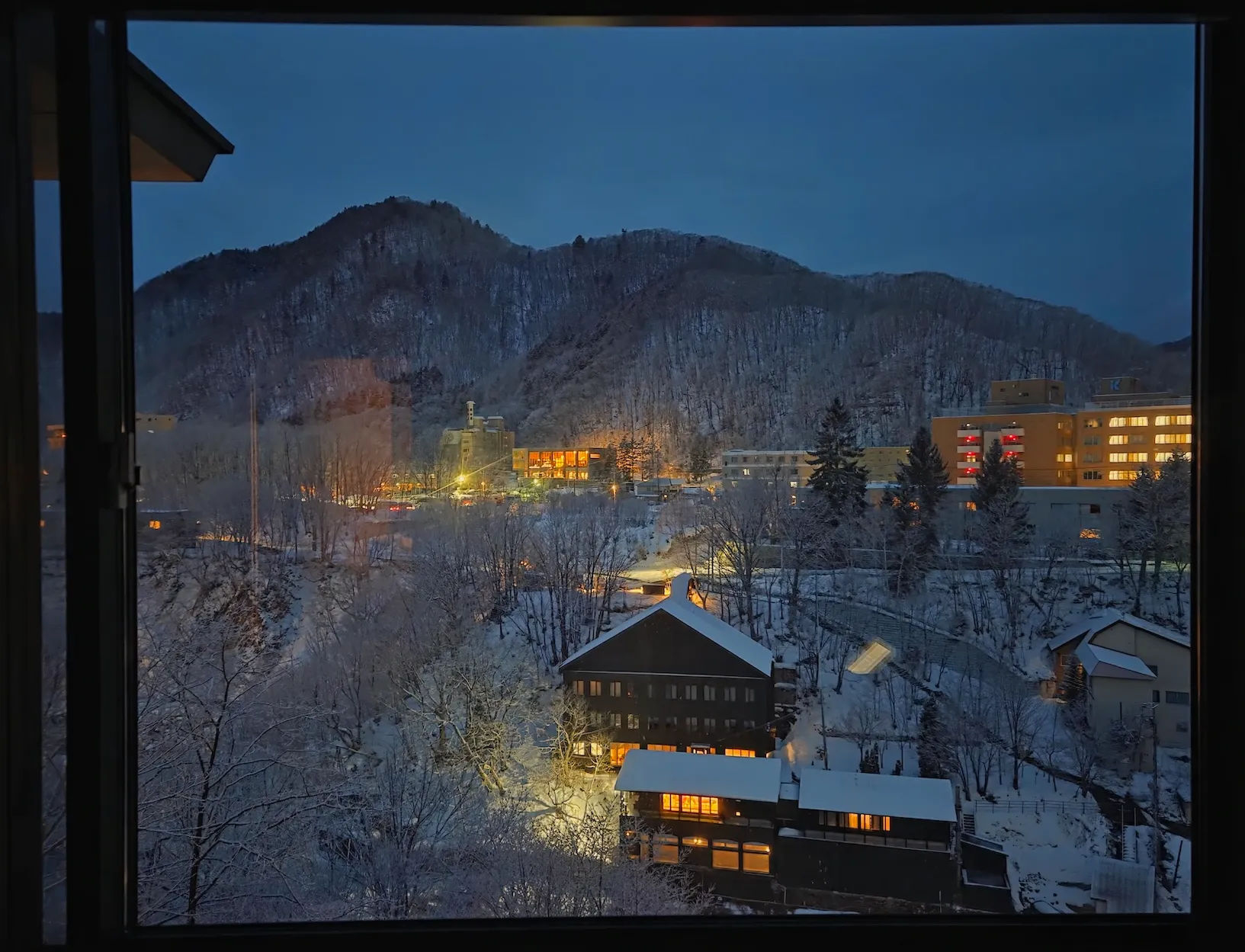
Outdoor View from Jozankei Yuraku Soan
Outdoor View from Jozankei Yuraku Soan
I highly recommend this ryokan to those looking for a clean, modern facility, those who prioritize the public hot springs above all else, those who don’t have sky-high expectations for kaiseki dinners, and early-bird couples or married couples who like to start their day early.
The Editor Behind This Journey: Heejung

Have any questions or similar experiences? Please feel free to share them below.
Share this story to inspire another journey.
More Journeys to Explore
🗓️ Nov 2024 Flight | 💺 Economy | ✈️ A321-200
6/10 (🌕🌕🌕🌑🌑) It was a European domestic economy flight that covers the basics but nothing more. The chaos of a small airport, simple in-flight service, and disappointing priority baggage handling remained, but thanks to the bulkhead seats, blueberry juice, and personal device entertainment, I was able to travel without major inconveniences.
🗓️ Feb 2026 Flight | 💺 Main Cabin Extra | ✈️ B777-200ER
7/10 (🌕🌕🌕🌗🌑) Thanks to the Main Cabin Extra seats, it was a practical long-haul economy flight that made the nearly 13-hour journey relatively manageable. The old aircraft, narrow seat width, and small meal portions were a letdown, but considering the lounge access and free seat selection benefits, it was a totally acceptable flight.
🗓️ Apr 2023 Stay | 🌏 Daejeon, South Korea | 🛏️ Premier Corner
As Daejeon's only 5-star hotel, the panoramic views, spacious Premier Corner Room, satisfying breakfast, and Shinsegae connection were definite highlights. However, the cumbersome parking, limited check-in counters, and poor service response left something to be desired.
🗓️ Feb 2026 Stay | 🌏 Seoul, South Korea | 🛏️ Standard King with View
8/10 (🌕🌕🌕🌕🌑) This was a well-rounded Courtyard, best known for its views of the Seoul Botanic Park and convenient access to Magongnaru Station. The rooms were spacious and comfortable, breakfast was decent, and Marriott elite benefits made the stay even more rewarding. With only a modest range of facilities, it worked better as a base for exploring the surrounding area than as a destination for a full hotel staycation.